
The Impact of Surface Type on Plyometric Performance Metrics
Plyometrics is a crucial training method that enhances athletic performance through explosive movements, involving rapid stretching and contracting of muscles. When measuring progress in plyometrics, one significant factor is surface type. Various surfaces can affect the outcomes of plyometric exercises, influencing power, speed, and overall performance metrics. This impacts not just performance but also injury risk, as certain surfaces may absorb more shock than others. When engaging in plyometric training, athletes commonly practice on surfaces like grass, asphalt, sand, and synthetic tracks. Each surface offers unique properties that can respond differently during explosive movements. The surface’s hardness, stability, and elasticity play essential roles in the efficacy of these exercises. Athletes must understand how these surfaces can alter their performance metrics and adjust their training accordingly. Whether for vertical jumps, bounding, or agility drills, the choice of surface will dictate the effectiveness of the plyometric training regimen. Ultimately, careful consideration of surface type helps athletes maximize training results while minimizing risk of injury and fatigue. Evaluating experiences on various surfaces contributes to better training insights for plyometric performance metrics.
Understanding Surface Effects
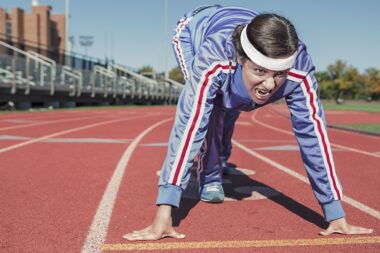
Different surfaces impact different aspects of plyometric exercises. For example, grass typically provides a softer landing compared to asphalt, which can lead to less impact force on joints. This may result in lower injury risk and more efficient power output during plyometric tasks. On the other hand, a harder surface like a synthetic track may promote better performance due to less energy absorption. Athletes need to balance performance enhancements with potential risks associated with surface types. Furthermore, plyometric training on softer surfaces can often assist in developing better control and coordination, while training on harder surfaces may lead to an increase in explosive strength and speed. As a result, training schedules should incorporate various surfaces to benefit from their unique floor characteristics. Mixing different surfaces can create a comprehensive training plan, fostering improvement across an athlete’s capabilities in plyometrics. Practicing on diverse surfaces also enables athletes to adapt to different environmental conditions they may encounter during competitions. By effectively managing surface interactions, athletes can refine their plyometric skills and cultivate higher performance metrics while reducing injury susceptibility.
A key component of measuring plyometric performance metrics involves analyzing jump height and distance achieved on various surfaces. These metrics are essential for gauging an athlete’s power output and explosiveness during plyometric exercises. Athletes seeking to improve their performance should focus on achieving consistent jump height and distance goals across different surfaces. Consistency across the surfaces indicates an athlete’s adaptability and skill refinement. Additionally, documenting performance data throughout training can reveal the impact of surface type on specific gymnastic performance metrics like lower limb coordination, strength, and reaction time. As plyometric techniques vary across surfaces, athletes can identify strengths and weaknesses between them, leading to more targeted training strategies. This focused approach allows coaches to tailor workout plans according to the surface conditions and individual athlete needs. Moreover, advanced measurement technology, like force platforms and motion capture systems, can provide valuable data to assess performance on various surfaces with precision. Ultimately, understanding how surface type influences jump outcomes fosters athletes’ skills, improving overall performance metrics and honing their competitive edge.
Long-term Training Adaptations
Over time, incorporating various surfaces into a plyometric training regimen can lead to significant long-term adaptations in athletes. These adaptations may include enhanced muscle elasticity, joint stability, and proprioception improvements. Athletes typically experience changes in neuromuscular coordination as they become accustomed to transitioning across surfaces. This adaptability can translate into improved performance metrics during competitions, enabling athletes to execute explosive movements with greater efficiency. By regularly practicing on different surfaces, athletes can develop their skill set, allowing for better execution of techniques and overall physical performance. Furthermore, understanding the longitudinal effects of alternating surfaces can provide insights into how an athlete’s body responds and adapts to varying loads and demands. Coaches should continuously assess the athletes’ performance, ensuring proper surfaces are utilized throughout training cycles. Additionally, adapting to diverse surfaces minimizes the repetitive strain on specific muscle groups, reducing the risk of chronic injuries. Athletes will reap lasting benefits by optimizing surface selection during plyometric training, fostering not just immediate performance but also long-term development and sustainability within their sports practice.
Another important element of measuring plyometric performance metrics is assessing fatigue and recovery rates on different surfaces. Various surfaces can influence fatigue levels, affecting an athlete’s ability to perform with sustained power output. During intense plyometric sessions, athlete fatigue can manifest in altered jump heights or distances, ultimately impacting performance metrics. By monitoring these fluctuations, coaches can better tailor training regimens to maximize athletes’ effectiveness on different surfaces. Implementing recovery strategies, including stretching, ice baths, and hydration protocols, can help prevent overtraining syndromes that may arise from intensive plyometric work on hard surfaces. In addition, tracking recovery indicators such as heart rate variability and perceived exertion can provide essential data for optimizing training approaches. Athletes can avoid debilitating fatigue and potential injuries by being proactive about recovery. Examining how surface type affects fatigue not only plays a crucial role in measuring performance but also aids in devising individualized training plans. The ultimate goal is to maintain peak physical condition while maximizing training performance metrics across various surfaces, improving overall results and competitive outcomes.
Injury Risks Across Surfaces
Injury risks associated with plyometric training are directly affected by surface type. Hard surfaces like concrete or asphalt can lead to higher impact forces, increasing the likelihood of stress injuries, joint issues, or tendonitis. In contrast, softer surfaces such as grass, sand, or specialized shock-absorbing mats tend to reduce impact forces, providing a safer landing for athletes. However, softer surfaces can also present unique challenges. They may limit explosive power due to increased energy absorption, necessitating a balance between training on varied surfaces to mitigate risks while maximizing performance. Furthermore, it is essential to monitor athlete feedback on physical discomfort and injury occurrences across different surfaces. Regular evaluations and modifications to training programs can significantly lower injury risks during plyometric workouts. Coaches should also encourage athletes to prioritize proper footwear and technique to further minimize injury potential. By understanding these risks, athletes can make informed decisions about the surfaces they choose in training settings, allowing them to optimize both safety and effectiveness while measuring their performance metrics.
In conclusion, the relationship between surface type and plyometric performance metrics is multifaceted and crucial for athletic success. Assessing how different surfaces impact jump height, distance, fatigue, and injury risks helps inform training strategies. Athletes and coaches must consider these factors carefully while designing training cycles. Diversifying surface use not only enhances overall performance but also fosters essential adaptations in muscle strength, coordination, and recovery capabilities. Whether engaging in plyometric drills on grass, sand, or synthetic tracks, it is vital that athletes maintain an awareness of their surroundings and always listen to their body’s signals. By prioritizing surface effectiveness, individuals can focus on incorporating specific metrics into training sessions, ultimately leading to measurable improvements in performance. Therefore, active monitoring of these variations ensures that athletes engage in the most conducive plyometric training possible. Future performance can thus improve through informed decision-making related to the surfaces utilized during training sessions. This optimal blend of performance analysis and strategic surface integration forms the foundation for enhanced athletic outcomes and long-term success in plyometric endeavors.
Innovative Plyometric Strategies
To enhance plyometric performance, athletes can incorporate innovative strategies into their training regimes. Experimenting with different plyometric variations such as box jumps or depth jumps on diverse surfaces can yield significant performance improvements. Understanding the biomechanics of plyometric actions on various surfaces enables athletes to tailor their approaches effectively. Utilizing resistance bands, weighted vests, or plyometric hurdles adds a unique dimension to the training, challenging athletes further and refining their skills. Athletes should prioritize tracking their progress meticulously, gathering data on performance metrics and adjusting their training plans accordingly. This data-driven approach provides insights into how varying surfaces affect their abilities during plyometric workouts. Engaging with coaches or professionals in sports science can provide additional guidance, ensuring training remains both effective and safe. Furthermore, integrating feedback mechanisms into training allows athletes to adapt their techniques based on surface interactions on a deeper level. By continuously refining their training with innovative strategies, athletes can target specific performance areas and unlock their full athletic potential, enabling dramatic improvements in their plyometric performance metrics while minimizing related risks.