
The Role of Hydration in Preventing Injuries During Home Fitness Sessions
Hydration is often an overlooked aspect of home workouts, yet it plays a vital role in safeguarding against injuries. Maintaining proper hydration levels during exercise can significantly improve performance and reduce the risk of strains, sprains, and other injuries. Water is crucial for several bodily functions, including temperature regulation, joint lubrication, and nutrient transportation. When exercising, especially in an environment where temperatures may rise, our bodies lose water through sweat. If fluids are not replaced in a timely manner, dehydration can occur, leading to muscle cramps or fatigue. Recognizing the initial signs of dehydration, such as thirst, dry mouth, or dizziness, is essential for anyone engaging in home workouts. To ensure a safe workout experience, individuals should aim to drink water consistently before, during, and after exercising. It is advisable to develop a hydration plan tailored to your specific needs, considering factors like workout intensity and duration. By prioritizing hydration, you can optimize performance, enhance recovery, and, most importantly, minimize the chances of injuries while working out in your home environment.
One of the primary reasons hydration is essential during home workouts is its impact on muscle function. Muscles require water to function optimally, as dehydration can lead to reduced strength, endurance, and coordination. When dehydrated, the muscles can become stiff, which increases the likelihood of sustaining an injury. This stiffness hampers flexibility and inhibits these muscles from properly absorbing shocks during impact exercises. Ensuring adequate hydration not only helps in maintaining performance levels but also aids in facilitating the body’s recovery process post-exercise. Water is essential for transporting nutrients to muscles and removing waste products accumulated during physical activity. Moreover, an adequate intake of fluids, especially before exercise, helps improve mental clarity and focus. Staying hydrated has the added benefit of keeping joints lubricated, reducing friction, and preventing them from becoming inflamed or painful during movement. Remember that you do not always need to rely on plain water for hydration. Electrolyte drinks, coconut water, or herbal teas also contribute positively to hydration and can replenish lost minerals during intense sessions, making them a smart addition to your fitness routine.
Signs of Dehydration
Understanding the signs of dehydration during workouts is crucial for injury prevention. As your workout intensifies, the body loses water rapidly, and recognizing these signs can help prevent complications. Key symptoms of dehydration include excessive thirst, dry mouth, headache, fatigue, and dark urine. Each of these indicators serves as a warning signal that hydration levels are dropping, and prompt action should be taken. If you notice these signs, immediately take a break from your workout, consume fluids, and allow your body to recuperate. It’s also beneficial to observe your body’s response to hydration. Monitor how much you drink and how your body feels in response to those fluids. Keeping a hydration log can help identify how many fluids are necessary for optimal performance during a workout. For individuals who engage in particularly long or intense sessions, the use of specialized hydration products that contain electrolytes may enhance fluid retention. Additionally, consider spacing out fluid intake throughout the day, instead of consuming large amounts all at once, to promote effective hydration management. Staying vigilant about hydration ensures your fitness sessions are both successful and injury-free.
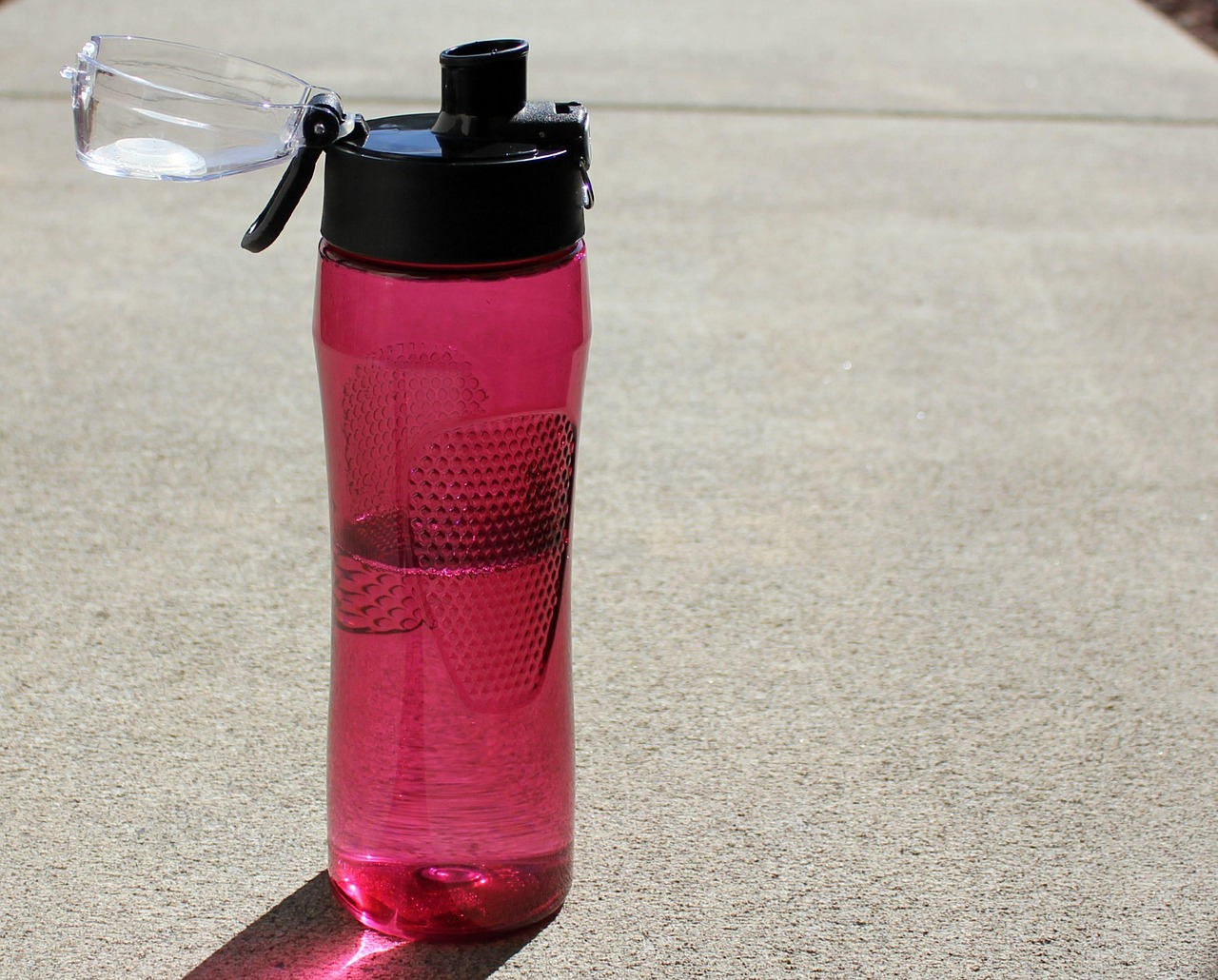
Another critical aspect of hydration is planning your intake based on the type of workout you are doing. Different exercises may demand varying hydration levels. For instance, strength training might require less fluid intake compared to aerobic workouts like running or cycling. As a rule of thumb, drink water before doing strength exercises to prepare your muscles and help prevent cramps. During cardio workouts, increase fluid consumption, as you may be losing a significant amount of water through sweat. Keep a water bottle handy throughout your session and take small sips at regular intervals. This approach helps maintain energy levels, enhances focus, and keeps dehydration at bay. Additionally, consider the temperature and humidity in your workout environment, as higher temperatures can accelerate fluid loss. Individuals engaging in endurance activities or outdoor workouts should pay extra attention to hydration needs, possibly adjusting fluid intake with the intensity and length of the exercise. Establishing a personalized hydration strategy based on your workout routine takes time, but it can profoundly impact your overall fitness experience and help avoid injuries during training.
Hydration Strategies for Home Workouts
Implementing effective hydration strategies during home workouts can greatly enhance your overall fitness experience. One practical tip is to set hydration reminders on your phone or through fitness apps to prompt you to drink water at intervals. Before your workout, a good rule is to drink at least 16 to 20 ounces of water a few hours beforehand. This will ensure that your body is adequately hydrated before the session begins. During the workout, aim for 7 to 10 ounces every 10 to 20 minutes, especially if you are engaging in high-intensity training or sweating excessively. It is also beneficial to cool down post-workout with fluids rich in electrolytes, such as sports drinks or coconut water, which can aid in recovery and replenishment of lost nutrients. Moreover, incorporating fruits and vegetables with high water content in your diet, such as watermelon, cucumbers, and oranges, can further enrich your hydration strategy. Being aware of your personal needs and preferences also equips you to craft a successful hydration plan individualized to your workout habits and lifestyle.
In addition to physical hydration, mental hydration should not be overlooked. Staying mentally focused during workouts helps improve performance and minimize potential injuries. Hydration supports cognitive functions that are crucial when executing exercises, allowing for better concentration, coordination, and movement control. Any level of dehydration affects cognitive abilities negatively, leading to poor decision-making, slower reaction times, and compromised technique. Proper hydration ensures that you can stay attentive during workouts, which aids in maintaining form and reducing the risk of injury. Practicing mindfulness in hydration, where you consciously pay attention to your fluid intake and how your body feels, can enhance physical exercise experiences. Exercise is not only about the physical body—it encompasses mental health and well-being too. So, taking breaks to hydrate offers an excellent opportunity to check in with yourself mentally, allowing you to reset your focus. Always aim to cultivate a holistic approach towards fitness that includes both adequate hydration and mental clarity. By taking care of your body and mind, you contribute to an effective workout environment that minimizes injury risks.
Conclusion and Final Tips
To conclude, hydration serves as a cornerstone in preventing injuries during home fitness sessions. By understanding its significance and implementing effective hydration strategies, individuals can optimize their performance and protect themselves from potential injuries. Remember to listen to your body and grab a water bottle on your way to your workout space. Staying proactive about hydration can make a profound difference in how you feel throughout your workouts. Keeping track of your fluid intake, personalizing your hydration plan, and recognizing the signs of dehydration are all essential strategies. In addition, consider incorporating hydration-friendly foods in your meals and utilizing reminders to ensure you drink enough before, during, and after workouts. Hydration is not merely about staving off thirst; it’s about sustaining your workout potential and promoting overall fitness health. Remember, no workout is so important that you should disregard your body’s needs. Always prioritize hydration, and your workouts will be more enjoyable and injury-free! Until the next workout, stay hydrated and keep moving forward towards your fitness goals.