
AIS for Post-Workout Recovery: Techniques and Timing
Active Isolated Stretching (AIS) is a highly effective technique for improving flexibility and facilitating post-workout recovery. This method involves holding stretches for only two seconds, allowing muscles to relax before further extension. This controlled approach reduces the risk of injury, promotes more significant ranges of motion, and enhances muscle recovery which greatly benefits athletes and fitness enthusiasts. AIS can be performed before and after workouts, but it’s particularly effective after intense exercise. Performing AIS stretches can help to alleviate soreness, decrease stiffness, and restore vitality in your muscles. One primary advantage of AIS is its active nature, encouraging engagement of muscles rather than passive elongation, which usually results in better outcomes for flexibility. Another significant benefit stems from the various techniques involved in AIS, such as alternating between different muscle groups. It creates a more comprehensive stretching routine, thus enhancing overall flexibility. Practicing AIS consistently can lead to noticeable improvements in mobility and ease of movement. When incorporating AIS into your regimen, remember to focus on proper breathing and relaxation to maximize the benefits and efficiency of your stretches.
Timing plays a critical role when utilizing Active Isolated Stretching (AIS) post-workout. After completing an intense training session, your muscles are warm and more pliable, making this the perfect time to introduce flexibility work. Starting with AIS soon after workout helps expedite the recovery process by increasing blood flow to the muscles. This improved circulation can assist in flushing out toxins that have built up during exercise, reducing muscle soreness and promoting quicker healing. It’s advisable to dedicate around 10 to 15 minutes for AIS stretches post-workout for optimal recovery results. During this period, you can focus on each muscle group, targeting areas that feel tight or fatigued. It’s also important to prioritize deep breathing during your stretching routine. Focusing on inhaling and exhaling can help relax the body and enhance the effectiveness of each stretch. Many people find using a foam roller or massage ball before transitioning into AIS stretches can help release any residual tension in the muscles. As you become more accustomed to incorporating AIS into your routine, you’ll notice improvements not only in recovery but also in performance during subsequent workouts.
Implementing AIS Techniques
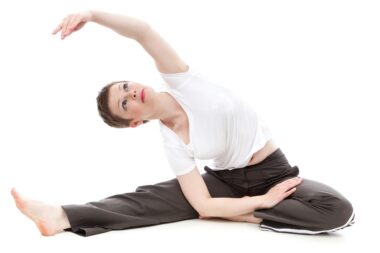
To effectively implement Active Isolated Stretching (AIS) techniques, consider the following steps to optimize your post-workout routine. First, familiarize yourself with a set of AIS stretches targeting key muscle groups utilized during your workouts. For instance, consider performing stretches for hamstrings, quads, and shoulders to enhance recovery. Each stretch should be performed actively and deliberately, holding for two seconds before releasing. It’s beneficial to utilize a partner to assist with some stretches, ensuring maximum efficacy. While conducting the stretches, maintain a relaxed posture, and avoid any jerky movements to prevent injury. Consistency is crucial, so aim to establish a post-workout AIS stretching routine following each training session. Additionally, consider recording your stretching progress, including areas of improvement and flexibility milestones. This allows you to monitor your advancement over time and may motivate you to remain committed to your workout regimen. Overall, integrating AIS into your post-workout routine can enhance muscle recovery and improve your overall fitness results significantly. Beyond the immediate benefits, regular AIS practice will contribute to long-term flexibility gains, crucial for continued athletic performance.
Moreover, Active Isolated Stretching (AIS) can significantly reduce recovery time between workouts. As an athlete, understanding the relationship between flexibility and performance is vital. Flexible muscles are less prone to injury, and when you use AIS post-exercise, your muscles recover quicker, allowing you to resume training sooner. A consistent routine of AIS stretches post-workout can lead to improved range of motion and joint health, contributing to efficient movement patterns during workouts. Establishing a post-workout stretching frequency can lead to better adaptation over time, enhancing your overall workout performance. This means you may perform repetitive movements more fluidly, encouraging muscle and joint functionality. Importantly, incorporating AIS into your cooldowns can also contribute to better perfomance when transitioning into different sports or fitness activities. Athletes will often prescribe AIS based on their specific needs, which can include different stretches weighted toward their specialty disciplines. AIS promotes mindful movement and active participation, essential elements for injury prevention and overall fitness well-being. By connecting breath to movement in AIS, the technique cultivates greater body awareness while delivering tangible benefits during recovery.
Benefits of AIS in Recovery
Active Isolated Stretching (AIS) in recovery contributes a multitude of benefits tailored to optimize wellness. The primary advantage lies in improving muscle flexibility, which enhances overall body mechanics and performance. Enhanced flexibility facilitates greater mobility and reduces discomfort following workouts. Additionally, AIS helps maintain a proper range of motion in joints, mitigating the risk of injuries associated with stiffness and tightness. Another crucial aspect of incorporating AIS into your recovery routine is its role in improving circulation, which promotes nutrient delivery to fatigued muscles. Adequate blood flow also aids in efficient removal of metabolic waste products accumulated during intense workouts. Through effective execution of AIS techniques, you also develop coordination and control over your body’s movements. This improvement further translates to enhanced workout performance as you become more adept at executing various exercises. Furthermore, AIS fosters a mindfulness approach to stretching, vital for physical and mental wellness. Tuning into your body during stretches allows you to detect potential pain points or areas of concern, enabling quicker adjustments during physical activities. Enjoying these numerous benefits is the primary aim of athletes and those dedicated to improving their fitness levels through mindful methods.
When applying Active Isolated Stretching (AIS), it’s paramount to follow proper execution techniques. Begin by choosing stretches that specifically target muscle groups worked during your workout. Generally, it’s advisable to hold each stretch for two seconds and complete around eight repetitions per muscle group. Flexibility improves when bursts of activity engage corresponding muscles actively during the stretch. Ensure to avoid pushing through pain; instead, aim to stretch to a comfortable limit, enhancing outcomes without injury. Breathing during your stretching session is another critical component, as it enhances relaxation and overall performance. Deep, steady breaths can significantly influence how effectively each stretch impacts muscle relaxation and recovery. Additionally, consider integrating precision into your routine by utilizing tools such as stretch bands and rollers to assist with specific stretches. These tools can help enhance your range of motion and increase effectiveness in your AIS routine. Besides, ensure to emphasize posture during stretches, maintaining alignment in your body to promote proper form throughout. Overall, by emphasizing these execution principles, your application of AIS can lead to significant improvement in both recovery rates and athletic performance.
Conclusion
In conclusion, incorporating Active Isolated Stretching (AIS) into your post-workout routine is fundamental for maximizing recovery and enhancing performance. By taking advantage of time when muscles are warm and pliable, achieving flexibility through AIS can lead to numerous performance benefits over time. Timing, technique, and execution play vital roles in harnessing the full benefits of AIS. Engaging in proper practices ensures you reap the rewards associated with improved muscle recovery and flexibility, particularly after rigorous workouts. Therefore, consider establishing a comprehensive post-workout AIS regimen consisting of various targeted stretches while allowing for proper execution. It’s important to acknowledge each workout’s specific needs while adapting the AIS practices accordingly. Maintain a commitment to consistency and awareness as you practice AIS. Over time, you’ll experience not only enhanced muscle recovery but also improved athletic performance across all physical activities. Rather than viewing stretching merely as an afterthought, recognize its importance within your overall training regimen. By investing in flexibility through AIS, you ultimately invest in your athletic capabilities and future fitness endeavors.
Taking the leap to prioritize Active Isolated Stretching (AIS) as a vital component after workouts may require mindfulness and commitment. Embrace the benefits and foster a positive mindset toward integrating AIS into your recovery strategies. Start modestly by incorporating a few key stretches, gradually working your way up to a more comprehensive routine tailored to your needs. Remember that each small effort contributes to your overall progress and well-being. In a world where fitness often emphasizes intense training, it’s just as essential to prioritize flexibility and recovery. Your body deserves adequate attention to rest and recuperate, ensuring you remain fit for your next workout challenge. As you adapt to the practice, you may find sheer enjoyment in the stretching process itself. Consider joining a class focusing on AIS principles to deepen your understanding and motivate your continued practice. Surrounding yourself with like-minded individuals can inspire adherence to your active recovery. Regardless of your fitness level, the potential benefits of incorporating AIS into your routine are substantial. With commitment to practice and an understanding of effective techniques, you are well on your way to improved flexibility, enhanced recovery, and better overall physical health.