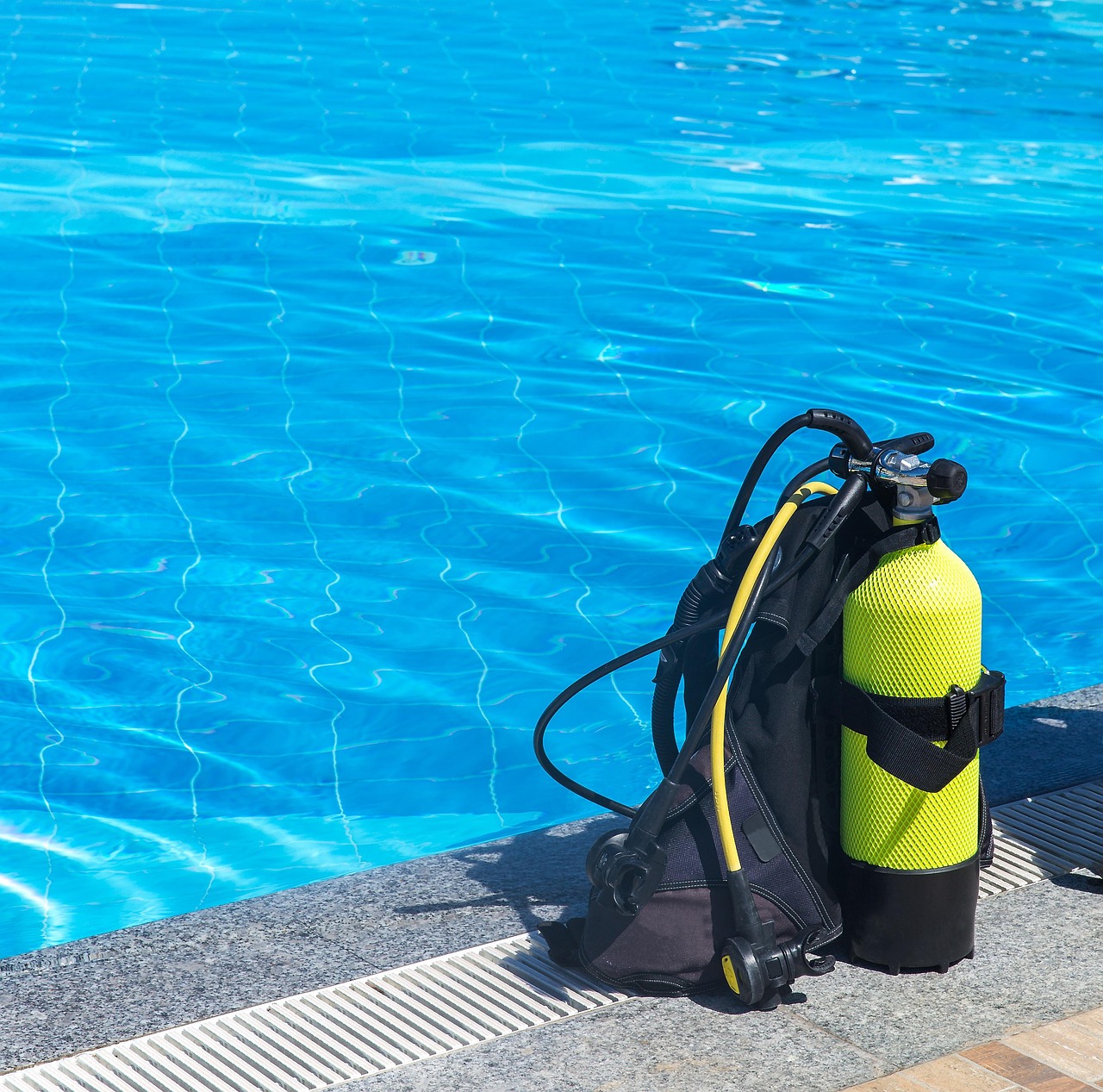

Guide to Reading the Swimming Pool for Safe Diving
Diving safely requires a thorough understanding of the swimming pool environment. Before diving, observe the pool for any potential hazards such as floating objects, uneven surfaces, or other swimmers. Familiarize yourself with the depth markers along the sides of the pool as they indicate where it is safe to dive. If the water depth is less than 3 meters or 10 feet, diving is usually discouraged as it increases the risk of injury. Ensure that the area is clear of obstructions and people to prevent accidents. Diving while the area is crowded can lead to serious accidents, so always wait until the space is clear. Proper technique is also crucial, as improper form can lead to accidents. Entering feet first is safer when unsure about the water’s depth or clarity. Additionally, be aware of surface conditions such as waves or ripples, as they may affect your entry. Lastly, always dive into water that you know is not chemically treated excessively, as this can impede your visibility and lead to dangerous situations. Stay safe and enjoy your diving experience!
Understanding the anatomy of a swimming pool is essential for divers. Every pool is designed with specific areas for various activities, which means they have deep ends, shallow ends, and zones specifically crafted for diving. Generally, a diving section will be marked explicitly, so ensure you don’t dive into shallow areas. If you’re diving in a facility, check for lifesaving equipment nearby such as rings and flotation devices, which can be crucial in case of emergencies. Always read and follow the posted signage that specifies diving restrictions to prioritize safety. Another significant factor involves the temperature of the pool water; colder water requires more caution due to potential shocks upon entry. Test the water depth and clarity constantly, especially after rainstorms, as debris can often cloud visibility. Always keep a safe distance from diving boards and platforms. Respect other swimmers and wait your turn, to minimize accidents caused by hasty dives. Training in recognizing the correct diving area based on conditions can sharpen your skills. Remember, situational awareness is vital for a successful and secure diving experience for everyone in the pool.
Essential Safety Practices Before Diving
Ensuring safety before diving into the water means adhering to specific guidelines to prevent accidents. Always check the water temperature, depth, and clarity before you dive. It is advisable to observe if the surface is calm, as turbulent water can create unexpected difficulties upon entry. Additionally, inspect the diving zone for floating debris or objects that may pose a risk. One effective practice to stay safe is to perform a preliminary dive check. This might include checking diving equipment, ensuring proper swim gear is worn, and confirming that other divers are aware of your intentions. If available, swimming alongside a certified instructor can boost confidence, especially for inexperienced divers. Depending on the facility, familiarize yourself with emergency protocols and procedures for reporting accidents and contacting lifeguards when necessary. Safety should always be the number one priority, and diving should only occur when it is safe to do so. Emphasize listening to your gut; if conditions seem unsatisfactory, do not hesitate to postpone the dive until they improve. This cautious approach helps to ensure safety while enjoying the diving experience.
Awareness of water conditions is crucial for safe diving. Weather influences how pools operate, affecting water clarity and current. Recently rained-upon pools often see debris floating, and temperature drops can make sudden entry shocking. Moreover, sunlight reflected on the water surface can hinder visibility, obstructing your ability to see potential hazards. Monitoring currents is equally important; strong currents can change drastically, endangering divers while they dive or resurface. Using your observational skills, always scan the area before diving. Be cautious of other swimmers and/or floating toys, inflatables, and equipment, as they create unexpected distractions while preparing for your dive. Furthermore, if diving from a board, establish a routine for ensuring it’s clear before you dive. Gaining an understanding of the various diving needs based on visible conditions will help create a routine. Always consider your abilities and limitations; recognizing your skill level informs what type of diving techniques are appropriate. Remember, every dive presents a unique scenario, requiring total focus. Organizing your thoughts and pre-dive strategies ensures readiness, allowing for a safe diving approach during every session.
Important Signals for Divers
Communication is key in a swimming pool where diving occurs. Understanding hand signals and visual cues can prevent accidents and ensure every diver knows what to expect when diving. Establish an agreement of common signals before entering the water. For example, a single raise of a hand can indicate “wait” while two fingers pointing towards the water surface can signal to those waiting to dive to proceed. Another common signal might be pointing towards debris without verbalizing, attempting to reach the attention of others without creating a panic. Maintaining a distance of around 3–4 meters between divers can help in managing reactions upon entry. Lifeguards or instructors; wherever present, must ensure divers follow these signals while engaging to prevent misunderstandings. Practicing proper communication provides confidence and enhances the diving experience by promoting awareness. Another point to consider is vocal signals underwater, utilizing breath bubbles to make essential communication. Always ensure proper distance guidelines are followed distinct from verbal communication under the surface; relying on experience builds confidence for impending dives together.
In addition to practicing proper diving techniques, it’s essential to be mindful of recovery practices after each dive. Successful diving often means honing not only the entrance but also the exit strategies and surfacing techniques. After entering the water, focus on regaining control and preparing for resurfacing smoothly while keeping alert to your surrounding environment. If descending deeper, always pay attention to when and how you will return to the surface. Often divers experience a momentary loss of orientation during deep dives, so awareness of breathing techniques can optimize posture, fostering better coordination during recovery. Be sure to surface safely using appropriate motions to avoid collisions. Stretching or warming up before diving can, therefore, help limit the tension in the muscles, preparing the body for the sudden impact of the water upon entry. Trying to remain calm in both adrenaline-inducing situations can influence how successful recovery becomes. Focus on maintaining a steady swim back to the side of the pool, continuing awareness of others returning from dives. Practicing these techniques continuously helps build confidence and familiarity with responses to varying conditions.
Conclusion: Embracing Responsible Diving
Finally, embracing responsible diving involves continuously developing an awareness of all aspects of the swimming environment. Understanding reading conditions, utilizing effective signals, and practicing recovery techniques all contribute to making diving safe and enjoyable. All divers should respect the pool’s rules to ensure a secure experience for themselves and fellow swimmers. Continuous assessment of surroundings and consistent practice of diving techniques must become second nature to each diver. Always dive within your skill range, emphasizing gradual increases in complexity. Consider taking regular lessons or practicing in a controlled setting for frequent feedback from instructors. Lastly, highlight the importance of mental readiness; a responsible diver possesses not only physical skills but mental preparedness for unexpected developments. Cultivate a respectful atmosphere and share skills learned among community members for steadfast support and awareness. Remember that diving is not just about the act itself but the entire experience surrounding it. Enjoyment within a safe environment enriches performance and fulfillment while diving. Respect boundaries and make safety your highest priority to ensure that everyone can participate safely in this exhilarating activity.
Millions love diving, yet safety must remain paramount. Prioritize readiness by understanding pool layouts, practicing techniques, and ensuring clear communication for a successful, safe experience. Personal accountability enhances enjoyment, ensuring that all divers can revel in this thrilling water sport while adhering to safety practices.