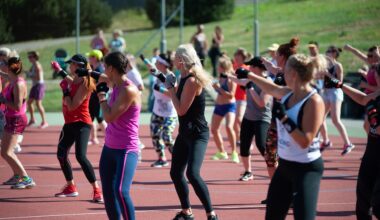

Guided Breathing for Prenatal Endurance Exercises
Breathing techniques play an essential role in prenatal fitness, particularly when it comes to endurance exercises. Expecting mothers can greatly benefit from focusing on their breath while exercising. Controlled breathing helps enhance oxygen intake, thereby delivering vital nutrients to the growing fetus. Techniques that emphasize deep abdominal breathing can help to improve lung capacity and stability. As pregnancy progresses, hormonal changes make it crucial for mothers to engage in mindful practices that encourage relaxation. Proper breathing not only supports the physical aspects of fitness but also contributes to emotional well-being. It can alleviate stress and provide a sense of connection with the baby. The coordination of breath with movement can maximize the effectiveness of workouts, allowing for longer sessions without fatigue. To maximize these benefits, prenatal classes often focus on breathing exercises tailored specifically for pregnant women. These classes can provide guidance, support, and useful tips. Also, practicing these techniques can create a positive mindset, enhancing the overall fitness experience for mothers-to-be.
Understanding how to breathe effectively during workouts is crucial. Using techniques like diaphragmatic breathing helps engage the core muscles, promoting stability and balance. During pregnancy, many women experience changes in their body’s biomechanics. To counteract these changes, adapting breathing techniques is vital. Practicing inhaling deeply through the nose and exhaling through the mouth can also regulate heart rate, especially during vigorous exercises. Concentrating on the exhale may provide a calming influence, facilitating a greater focus on body awareness. Incorporating these techniques into your routine allows for a meditative approach to fitness. Mindful breathing helps you tune into your physical sensations, allowing you to assess your limits and adjust accordingly. Incorporating breath holds or extended exhales can further enhance oxygen consumption and improve endurance. Furthermore, these methods can assist in alleviating common pregnancy discomforts, such as shortness of breath or anxiety. By understanding how to integrate breath control into your workouts, you can achieve both physical and mental readiness for labor and beyond. Thus, a focus on effective breathing techniques becomes a cornerstone of prenatal fitness.
Benefits of Breathing Techniques
There are numerous benefits associated with incorporating guided breathing techniques during prenatal exercise sessions. For starters, these techniques foster a profound sense of relaxation, which can significantly reduce anxiety levels. Many expectant mothers experience heightened stress due to hormonal changes and various physical discomforts. Therefore, adopting a consistent breathing practice can help mitigate these feelings. Enhanced oxygen flow during exercises helps to improve energy levels, contributing to a more enjoyable workout experience. Moreover, practicing controlled breathing encourages synchronization with movements, which deepens mind-body awareness. As you become more attuned to your body’s needs, you can adapt your workout intensity or duration effectively. Additionally, breathing techniques can also prepare your body for labor by strengthening the diaphragm and pelvic floor muscles. Strengthening these muscles enhances your ability to manage pain during contractions. Additionally, incorporating breathing exercises into your prenatal fitness routine helps develop a connection to your baby. As you breathe deeply, you cultivate a nurturing atmosphere that promotes emotional bonding. Ultimately, these advantages help create a well-rounded prenatal fitness regimen.
Each breathing technique serves a distinct purpose and can be integrated seamlessly into your workouts. Box breathing, for example, consists of inhaling for a count of four, holding for four, exhaling for four, and resting for four counts. This method enhances focus and helps regulate your heart rate. Three-part breathing is another technique that involves expanding the belly, rib cage, and upper chest during inhalation. This method enhances lung capacity and efficiency. Alternate nostril breathing is beneficial for calming the mind and promoting balance. It involves inhaling from one nostril, holding briefly, and exhaling from the other. Experimenting with various techniques can help identify which suits your needs best. Incorporating these practices not only strengthens your respiratory system but can also create a comforting routine. Additionally, establishing breathwork as a regular component of your fitness will ultimately lead to greater self-awareness and connection with your baby. Choosing to engage in these exercises consistently can result in longer-lasting benefits beyond just physical fitness. Therefore, embrace these techniques and nurture your growing bond.
Creating a Safe Environment
When practicing prenatal breathing techniques, ensuring the right environment can significantly enhance the experience. Creating a peaceful atmosphere contributes to relaxation, allowing you to fully focus on your breath and movements. Start by finding a quiet space, free from distractions, that promotes tranquility. Utilizing calming elements such as soft lighting and gentle music can further encourage a serene environment. Additionally, consider using supportive props like pillows or yoga blocks to ensure comfort during poses. Wearing breathable clothing will help maintain optimal temperature regulation and comfort throughout your workout. If possible, consider participating in guided classes led by certified prenatal instructors. Having expert guidance can make a huge difference in ensuring your safety. They can offer modifications based on your unique pregnancy experience. Online resources and video sessions can also provide valuable insights. Make sure to listen to your body and honor its signals; if a technique does not feel right, don’t hesitate to modify or adjust it. Embracing a suitable setting is key to maximizing the benefits of respiratory techniques and enhancing your fitness journey.
Incorporating breath control into prenatal exercises can also pave the way for effective postpartum recovery. After giving birth, women undergoing physical rehabilitation often emphasize the importance of breathwork. Proper breathing techniques strengthen the core and pelvic floor, allowing for a smoother recovery process. You can also utilize guided breathing to alleviate discomfort associated with physical changes, such as diastasis recti. Utilizing breathing exercises during your postpartum routine can assist you in regaining strength and stability. Furthermore, creating a continued practice of mindfulness can encourage emotional well-being during the transition to parenthood. Developing these skills during pregnancy translates into enhanced resilience in dealing with challenges postpartum. Collaboratively, breathing techniques serve as a foundational practice for both prenatal and postnatal fitness. By prioritizing these methods, you support your overall health, promote better circulation, and facilitate healing. Ultimately, establishing a solid connection to breath provides a sense of empowerment and control as you navigate motherhood. With consistent practice, you will find the journey not only beneficial but also immensely rewarding.
Conclusion
In conclusion, guided breathing techniques are a vital component of any prenatal fitness routine, promoting both physical and mental well-being. Prioritizing breath control fosters a deeper awareness of your body and strengthens your connection with your baby. From alleviating anxiety to improving oxygen flow, the benefits are abundantly clear. Expecting mothers can develop a well-rounded approach for effective, safe, and enjoyable exercise experiences. As you delve into guided breathing, consider integrating a variety of techniques that resonate with you. Creating a positive and nurturing environment will amplify the impact of these practices. By embodying the essence of mindfulness and breath control, you cultivate resilience not just through pregnancy but into parenthood. Notably, remember to listen to your body and adjust your workouts and breathing techniques accordingly. This adaptability fosters personal growth and empowerment. Embrace this journey as a continual practice, as it leads to an enriched experience for both you and your baby. Ultimately, integrating guided breathing into prenatal and postnatal fitness can create lasting benefits that positively influence both your physical well-being and emotional health.