
How to Choose the Perfect Shoes for Parkour and Freerunning
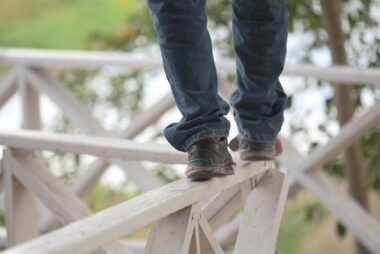
Choosing the perfect shoes for parkour and freerunning is crucial for both performance and safety. The right footwear can enhance your agility, provide necessary support, and help you execute jumps and landings effectively. Parkour shoes should be lightweight, allowing you to move freely without dragging your feet. Look for a flexible sole to enable natural foot movement during various maneuvers. Before making a purchase, consider the terrain where you’ll be practicing; urban environments may demand better grip and durability. Additionally, the shoe should have excellent shock absorption to minimize the impact on your joints during hard landings. Prioritize breathability; shoes made from mesh materials keep your feet cool even during intensive movements. Check the estimated lifespan of the shoe, ensuring that you choose well-constructed options that can withstand rigorous practice. A good fit is also vital; try shoes on before buying to achieve comfort, as overly tight or loose shoes can impede movement. Finally, don’t forget to read reviews and possibly test different brands to find the shoes that work best for your unique style and preference.
Essential Features to Look For
When selecting shoes for parkour and freerunning, identifying essential features helps make the right choice. Firstly, consider traction; shoes should have a rubber outsole that provides grip on varying surfaces, from concrete to wood. A flat sole is often preferable, as it enhances stability during flips and rolls. It’s also important to look for cushioning, as well-cushioned shoes help absorb shocks when landing, which protects your knees and joints from injury. Moreover, lightweight design is non-negotiable, ensuring easier mobility and quick direction changes. Durability is another critical feature; shoes crafted from high-quality materials tend to survive daily wear and tear in urban settings. Next, ensure your shoes have a secure fit, offering freedom of movement without slipping off. The upper part of the shoe should be flexible to enable foot dexterity. Look for shoes with reinforced areas, such as the toe, for added protection and longevity. Finally, check for brands known for producing parkour-specific shoes, as they often integrate feedback from the community, helping you pick the best options tailored to your needs.
Budget plays an important role in your decision. While it might be tempting to opt for less expensive shoes, investing in quality can lead to significant benefits, particularly for serious practitioners. The reality is that cheaper shoes often lack the necessary features required for parkour, including proper support and durability. Hence, allocating a reasonable budget upfront can save you from frequent replacements and potential injuries. Additionally, consider the value of brand heritage; established brands often bring years of accumulated knowledge and customer feedback, which translates to improved designs and functionalities. Before making a final commitment, explore online reviews, and compare multiple shoe options. Talk to fellow parkour enthusiasts about the brands they trust, and don’t hesitate to try on different styles at a local store to find the perfect fit. Many parkour practitioners recommend buying two pairs of shoes if budget allows to ensure you have a backup in case of unexpected wear or damage during a training session. The right choice feels more like an investment in your safety and progression than merely spending money on footwear.
Testing Shoes Before Purchase
Before making your final decision, testing shoes before purchase is imperative. Visit local stores and bring along your parkour gear, if possible. This allows you to try movements like squats, jumps, or even a few flips. First, assess comfort by walking a bit in the shoes to understand how they feel over time. Pay special attention to any areas that may cause discomfort, as this can lead to problems during practice. Next, test the grip by walking on both smooth and rough surfaces found in typical urban areas. This helps ensure that you can perform your moves with confidence without slipping. Evaluate flexibility as well; bend and twist the shoe to ensure it matches your foot’s movements. This is crucial, especially during dynamic movements seen in freerunning. Furthermore, ask staff for insight into user experiences with the shoe. Often, staff can point you toward models that others in the parkour community have successfully used. If the shoe passes all these tests, it’s likely a smart choice, helping you to perform better and remain safe.
Consider the climate where you will predominantly practice parkour. If you live in a hot area, prioritize shoes designed for breathability, allowing air circulation to prevent overheating. For rainy regions, choose shoes with enhanced water resistance and superior grip to aid in slippery conditions. If your parkour practice includes indoor spaces, consider shoes that won’t mark floors. Occasionally, different shoes may be required for varied environments. Additionally, some shoes are designed specifically for urban parkour, offering unique features that help on hard surfaces such as pavement. Pay attention to weight; some practitioners prefer heavier shoes for more stability, while others enjoy a versatile, lighter shoe for agility. Lastly, don’t forget about style; shoes can express your personality and add confidence while executing moves. Aesthetic preferences shouldn’t compromise functionality, but a shoe that looks good on your feet may improve your training experience. Always remember that parkour shoes are an extension of your abilities, making your choice significantly impactful in the progression of your practice.
Caring for Your Parkour Shoes
Caring for your parkour shoes is essential to prolong their lifespan and performance. Regular maintenance is key; clean them after every couple of sessions to remove dirt and reduce wear. Use a soft brush or cloth with mild soap to remove stains. Avoid machine washing, as this can damage the materials and alter the shoe’s form. After cleaning, allow your shoes to dry naturally at room temperature, avoiding direct heat sources such as radiators. Furthermore, inspect your shoes regularly for signs of damage or wear, especially around the soles and upper. If there are loose seams or worn-out sections, consider repairing or replacing them promptly to maintain safety during practice. Store your shoes in a cool, dry place when not in use, avoiding cramped spaces that can alter their shape over time. If possible, rotate between multiple pairs to reduce overall wear. Additionally, consider applying a water-repellent spray to help protect them from moisture damage, especially if practicing in wet conditions. Keeping up with care will ensure that your shoes remain a reliable partner on your parkour journey.
Finally, part of your shoe selection should take into account personal preference alongside practical factors. Every practitioner has their own unique style, and what works for one person may not work for another. Take the time to assess various shoes, testing different brands and models to find what aligns with your training needs. Make sure to include friends or fellow practitioners in your shopping journey; their perspectives may offer helpful insights. Keep in mind any specific features that enhance your performance or comfort based on your previous experiences. Remember that the ultimate purpose of your shoes is to boost your performance while ensuring your safety. If you feel confident in your shoes, it can significantly improve your overall training experience. So, invest the time necessary to choose wisely, understanding the impact well-fitted and functional shoes can have on your practice. The right shoes will support your journey into the exhilarating world of parkour and freerunning, giving you the confidence and mobility needed to excel.
Whether you’re a beginner or seasoned practitioner, putting effort into finding the right shoes for parkour will enhance your performance and enjoyment of the sport. With ample options available on the market, pursuing the ideal pair requires patience and research. From cushioning and breathability to flexibility and grip, considering these factors plays a vital role in your decision-making process. Remember, every jump, roll, and vault you perform depends significantly on your footwear. Choose wisely and make sure that your chosen shoes meet both your functional needs and stylistic preferences, providing peace of mind as you navigate urban obstacles. A well-matched pair of shoes enables you to push your limits, as they become more than just an accessory; they become an integral part of your parkour journey. As you delve deeper into this exciting discipline, find joy in the process of selecting footwear. The right shoes can not only help you achieve your trick goals but also enhance your overall parkour experience, giving you freedom and confidence wherever you play.