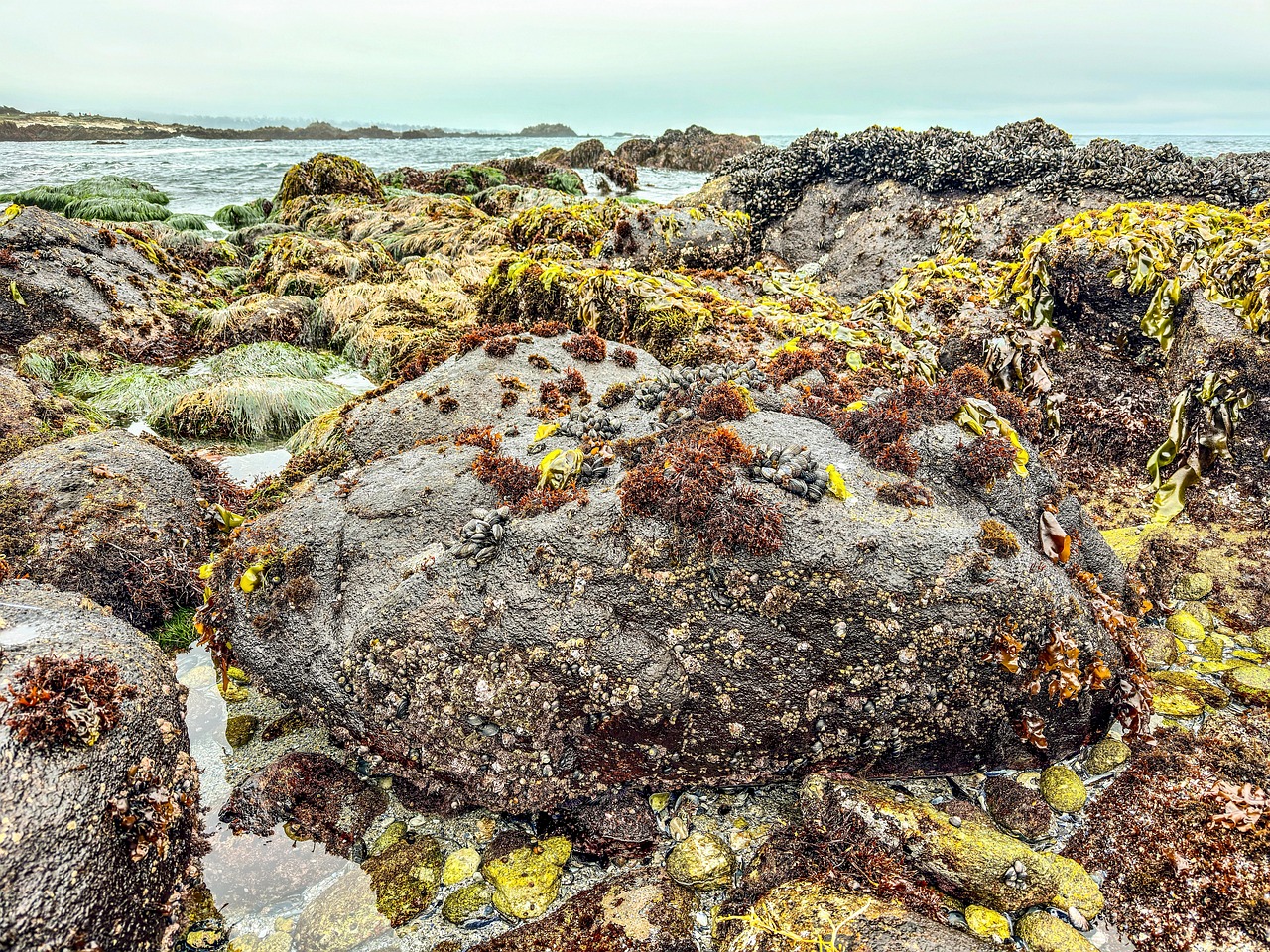

How to Plan a Tide Pool Exploration Adventure
Tide pools offer a fantastic chance for adventurers of all ages to explore marine life up close. Planning this type of adventure requires an understanding of timing, location, and what to bring. The first step is to check the local tide schedule to ensure your visit coincides with low tide, as this is when the pools are most accessible and vibrant. Researching the best tide pool locations can elevate your experience, ensuring you find rich biodiversity. Websites and local guides can offer insights into the best times and places to go. When you have decided on your destination, gather any necessary gear. Bring items like binoculars, field guides, buckets, and nets that can assist in your exploration. Pack sun protection, comfortable clothing, and sturdy shoes that can handle rugged terrain. Water and snacks are essential, as exploring will likely take several hours. Make sure to dress for the weather, and consider packing a lightweight camera to document your discoveries. Tidying up and leaving the tide pools as you found them preserves these unique ecosystems for future visitors.
What to Expect During Your Exploration
When you arrive at your chosen tide pool area, take a moment to observe the surroundings and let the experience soak in. It’s important to understand that tide pools are delicate ecosystems. Look for crabs scuttling between rocks, brightly colored starfish clinging to surfaces, and other marine creatures. Be sure to observe without disturbing their habitat. You may encounter sea anemones, barnacles, or sea urchins, each with unique characteristics and adaptations. It’s thrilling to see these creatures in their natural environment, but remember to be respectful and minimize your impact on these habitats. Take your time exploring, as the best experiences often come from slowing down and observing closely. Getting down on your hands and knees can reveal the hidden lives of these fascinating creatures. If you have children with you, consider turning the exploration into a treasure hunt. Create a checklist of things to find, such as specific shells, types of seaweed, or different sea creatures. Keeping the adventure fun and educational encourages a deeper appreciation of marine ecosystems.
It’s crucial to follow safety guidelines while engaging in tide pool exploration. The rocky terrain can be uneven and slippery, increasing the risk of falls or injuries. Make sure to wear appropriate footwear like water shoes or sandals with a good grip. Keep an eye on the waves, as conditions can shift quickly, and always keep a safe distance from the water’s edge to avoid getting knocked over by rogue waves. If waves approach, move back cautiously and ensure that everyone in your group is safe. Bring a first aid kit to handle minor injuries, such as cuts or scrapes that might occur while climbing over rocks. Be cautious of sharp barnacles, and avoid touching fragile organisms as they may not recover from being disturbed. In addition to personal safety, ensure that you instill environmental responsibility. Teach younger explorers not to collect animals or shells but to enjoy observing them in their natural habitat. Leave everything as found and teach others to do the same to help maintain these incredible ecosystems. Document your findings responsibly, perhaps by taking photos, creating sketches, or journaling about your experience.
Respecting Marine Life and Ecosystems
Respect for the marine life and their environments is fundamental when exploring tide pools. Many creatures are sensitive and can be easily harmed, so it’s vital to remember that they are living beings. Avoid touching or picking up the animals unless you are absolutely certain and know how to handle them safely. Educate yourself about the ecosystem, including the various species present in the pools, their roles, and their habitats. Consider bringing a field guide to assist in identifying species and learning about their behaviors. Teaching younger explorers about the importance of these ecosystems can enrich their experience and instill a sense of stewardship. The more knowledgeable you are, the more profound your exploration will be. You can turn your outing into a lesson on marine biology, ecology, and conservation. Discuss threats to these ecosystems, such as pollution and climate change, and ways to protect them. Bookmarks or pamphlets from local organizations can share additional information regarding conservation initiatives. Engaging with local conservation projects after your tide pool visit can enhance your connection to the environment and multiply your impact in protecting these vital areas.
To make the most of your tide pool adventure, consider documenting your findings through notes, sketches, and photographs. This could become a family keepsake or an educational project for school. Using a simple notebook, jot down observations about what you see, the colors, shapes, and behaviors exhibited by various organisms. Sketching can be an excellent way to internalize your experience while also encouraging artistic expression. You might also want to take photos of the tide pool environment and the creatures you encounter. Capture images of interactions, such as crabs moving over rocks or anemones swaying in the surf. Ensure your camera is waterproof or secure, as moisture can be a concern in such environments. When you return home, you can create a scrapbook or digital montage of your adventure, adding in notes and reflections about your experience. Sharing this with friends or teachers can enhance your appreciation of marine life and spread awareness about the importance of preserving these habitats. Discussing what you learned sparks curiosity and encourages others to participate in similar adventures. It’s an exciting way to inspire others and contribute to a community that values nature exploration.
Post-Exploration Reflection and Education
After your tide pool exploration, it’s beneficial to take time to reflect on your experiences. Consider discussing the adventure with your companions. Share what surprised you the most or any new facts you learned about the creatures you encountered. This reflection not only reinforces what you’ve learned but can also inspire others’ interest in marine biology. Encourage everyone involved to express their favorite parts or unexpected discoveries made during your trip. You might offer to research more about specific organisms that intrigued you or delve into the environmental issues affecting tidal ecosystems. Searching scientific journals or documentaries at your local library can provide fascinating insights to enhance your understanding. If you are inclined, consider writing about your experience online. Many platforms exist where nature enthusiasts can share their findings and photographs. Joining a nature blog or social media group can provide a sense of community and deepen your connection to other explorers. Continuously engaging with the topic allows you to stay educated and connected with marine conservation efforts over time.
Finally, consider planning a return visit to your favorite tide pool sites. Repeated visits allow you to witness seasonal changes, observe growth, and engage with new wildlife during subsequent seasons. Many marine species exhibit different behaviors at various times of the year, and you might discover new interests each time. Documenting these changes can create a long-term understanding of the ecosystems you explore. Monitoring local tides and weather conditions keeps your exploration adventures safe and successful. Consider involving other friends or family members for larger group explorations, fostering a stronger communal spirit. You could organize events such as tide pool cleanup days to foster responsibility and help the environment. These activities emphasize the importance of caring for marine environments and can be fulfilling experiences of community service. Through consistent engagement with tide pool exploration, you develop a deeper connection not only with the environment but also with community members who share your interests. Ultimately, planning and conducting tide pool adventures can inspire you to become a lifelong advocate for marine conservation and appreciation.
Your tide pool exploration adventure can be a fantastic blend of education, fun, and connection with nature. As you plan thoughtfully and explore respectfully, you’ll contribute to the preservation of these delicate ecosystems. Enjoy the journey, from researching tide schedules to reflecting on your findings after your adventures. The thrill of discovering marine life and understanding its significance fosters a sense of wonder that stays with you. Through exploration, respect, and ongoing education, your appreciation for marine environments will deepen over time. Always look to inspire others to join you in your explorations, spreading knowledge and enthusiasm for such unique ecosystems. Together, you can encourage sustainability and stewardship of our oceans, one tide pool at a time. Make sure to prioritize your safety and the safety of those you venture with, balancing exploration with caution. Keep the spirit of adventure alive and engage all senses, whether collecting memories or new knowledge. Embrace the opportunity to learn while enjoying the beauty of our natural surroundings. Each exploration feeds your curiosity and enriches your life while you inspire future generations to appreciate our precious marine ecosystems.