
How to Teach Your Child Inline Skating at Home
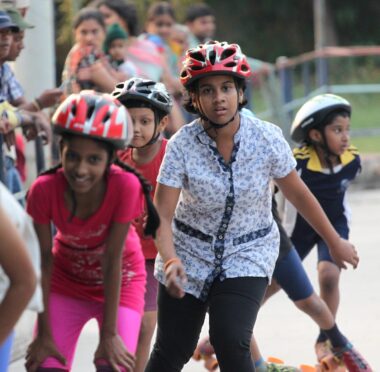
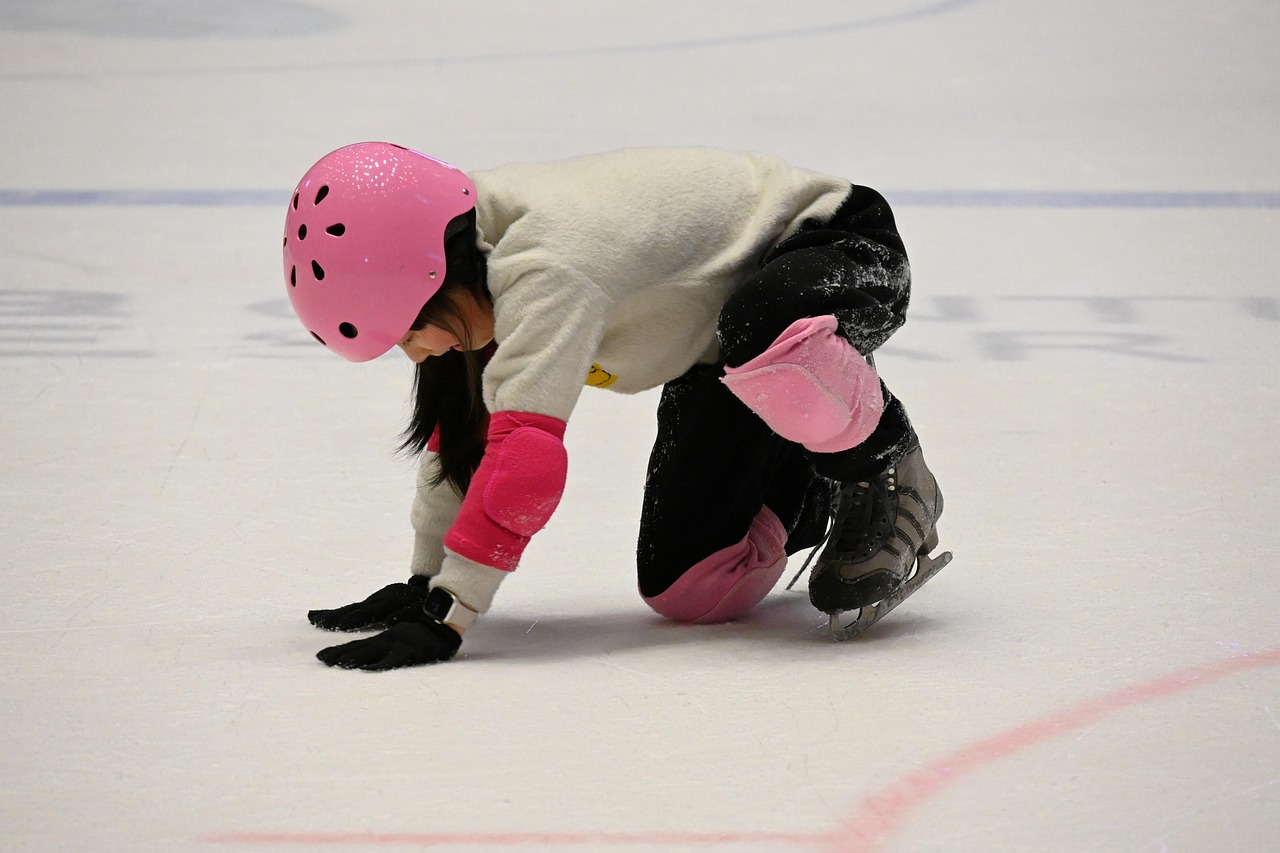
Teaching your child inline skating at home can be a thrilling experience for both of you. Begin by selecting an ideal, spacious outdoor location with a smooth surface, like your driveway or a nearby park. It is important that the area is free of obstacles and distractions to ensure safety. Equip your child with the proper safety gear, including a helmet, knee pads, elbow pads, and wrist guards. These essentials not only protect them but also instill confidence in their ability to skate. Before the first session, explain the basics of skating to your child. This should include aspects such as proper stance, balance, and how to stop safely. Start with lessons that focus on getting comfortable with the equipment. Encourage them to take small steps before attempting larger movements. Introduce the idea of gliding slowly and, eventually, teach them how to push off the ground. Use positive reinforcement to make each session enjoyable. Celebrate their accomplishments, no matter how small, and remind them that practice leads to improvement. Inline skating is a fun way to build skills while exploring the outdoors.
Once your child feels comfortable taking their first strides, it’s time to incorporate turning techniques. Explain to them that adjusting their body weight is essential for maneuvering. Initially, practice wide turns by leaning gently in the desired direction while maintaining momentum. Ensure they understand the importance of looking ahead rather than focusing solely on their feet. This helps them maintain balance and stay aware of their surroundings. Teach them how to use their arms for balance, as this can stabilize their movements. As they master turning, gradually introduce tighter turns. Use cones or tennis balls to create a fun obstacle course in the area. Add more challenges, such as weaving in and out of these markers to help them enhance their steering skills. Encourage your child to remain relaxed, as tension can negatively affect their balance and overall skating performance. They should practice steering on different surfaces, from pavement to concrete, to build adaptability and increase confidence. Maintain an upbeat atmosphere, as your attitude significantly impacts their motivation. Inline skating is not only physical but also a social activity, so let them invite friends to join in on the fun.
Building Stopping Skills
Once your child is comfortable skating and turning, it’s crucial to teach them how to stop effectively. Start with the most basic stopping technique, called the “t-stop,” where they drag one skate behind the other. Demonstrate the movement, emphasizing the importance of maintaining balance and lowering their center of gravity. Make sure they understand how to grip the ground with their trailing foot to ensure a proper stop. Next, introduce the snowplow stop, which involves pushing outwards with both skates while bending their knees. This technique provides more control and is especially useful during high speeds. Encourage repetitive practice of these techniques, as mastering stopping skills boosts confidence while skating. As your child becomes adept at stopping, remind them that safety is paramount, especially when skating around other people. They must always be aware of their surroundings and show caution when approaching other skaters or obstacles. Create scenarios where they need to stop suddenly, and practice these stopping techniques in different circumstances. Reinforce their learning by providing consistent feedback and encouragement throughout practice, as this will help them feel more secure and capable on their skates.
As your child progresses in their inline skating skills, consider introducing tricks and games to keep their interest alive. Simple tricks, such as small jumps or skating backward, can enhance their confidence while providing entertainment. Start with basic movements, and encourage them to perfect these before advancing to more complex tricks. Introduce games like “follow the leader,” where they mimic your movements, or create tag games to develop agility and speed. Consider involving obstacles and small ramps to create a mini-skate park experience in your driveway or backyard. These activities can significantly improve their balance, coordination, and creativity while skating. Furthermore, you can instill a sense of community by organizing friendly races or timed courses with other children. Using these playful approaches not only keeps them engaged but also enhances their excitement for inline skating. Provide opportunities for socialization during practices. Celebrate their achievements, and encourage them to share their skating experiences with friends and family. Demonstrate patience and guidance, as each child learns at their own pace. By fostering an interesting and enjoyable environment, you can nurture their passion for inline skating and encourage lifelong fitness.
Maintaining Equipment
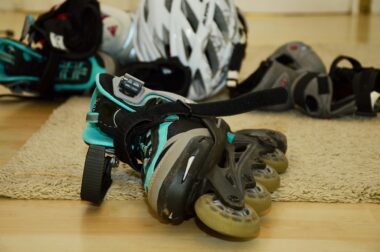
To ensure your child enjoys a safe inline skating experience, it is essential to maintain the equipment properly. Start by routinely inspecting the skates for any signs of wear and tear. Check the wheels, brakes, and bearings for any damage or debris that might affect performance. It’s also crucial to replace the wheels or bearings when they begin to show significant signs of wear to prevent accidents. Teach your child how to clean their skates after each session by removing dirt and grime, as this contributes to their longevity. Each part of the skate serves a specific purpose, emphasizing the importance of looking after their equipment and understanding how it functions. Creating a care routine can help your child develop responsibility for their gear while learning the value of maintenance. Furthermore, explain the importance of wearing the proper attire, including breathable clothing that allows for flexibility and comfort. Encourage them to express their personality through skate gear designs while ensuring it meets safety standards. This process can foster a sense of ownership, motivating them to take better care of their equipment and enjoy inline skating more.
Inline skating isn’t just a fun pastime; it’s an engaging form of exercise that builds various skills in children. Helping your child embrace skating can improve their physical health and enhance their social skills while providing a creative outlet. Discuss the numerous health benefits of skating, such as improved cardiovascular fitness, increased balance and coordination, and strengthened leg muscles. Encourage them to view skating as a regular activity that fits into their lifestyle. Ensure accessibility to smooth and safe skating areas, promoting regular practice. Consider allocating specific time slots each week for skating to establish a routine. Attend local skating events or meetups to connect with other families, fostering a sense of community and belonging. Developing social interaction through group activities can bolster confidence and enjoyment in skating. Share stories about famous skaters and their journeys, inspiring your child and reinforcing the excitement surrounding the sport. Highlight the opportunity to register for skating classes or local teams once they master the basics. This can provide additional motivation to improve their skills while creating lasting friendships with others who share a passion for inline skating.
Conclusion
Teaching your child inline skating at home is an enriching experience filled with excitement, skill-building, and enjoyment. From mastering the basics to incorporating tricks and games, each step of the learning process contributes to physical development and builds confidence. By creating a safe and engaging environment, you encourage your child to embrace skating as a lifelong activity. Remember to maintain the equipment well and celebrate every achievement, no matter how small, to keep motivation high. As children progress in their skills, emphasize the importance of safety and community involvement. Inline skating opens the door to fostering friendships and creating lasting memories. Motivate your child to explore outdoor areas where they can practice regularly, making it part of their lifestyle. The challenge of learning a new skill can lead to personal growth and resilience. Encourage your child to take pride in their achievements and enjoy the journey of inline skating. With your support and guidance, they will develop not only as skaters but also as individuals who appreciate movement, creativity, and friendship.
This is another paragraph with exactly 190 words…