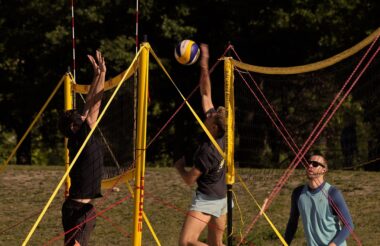

Improve Your Vertical Leap: Training Tips for Outside Hitters
As an outside hitter in volleyball, enhancing your vertical leap is crucial for achieving better performance. A powerful jump allows you to hit the ball more effectively and block opponents’ shots. Improving this skill involves a dedicated training regimen, focusing not only on strength but also on technique. Plyometric exercises, for instance, are essential. These explosive movements, such as box jumps and depth jumps, help develop your fast-twitch muscle fibers, increasing your jumping ability. You can include interval training to build your agility, which complements jumping. Additionally, proper warm-ups are necessary to prepare your muscles and prevent injuries. Implement flexibility training into your routine, as it plays a key role in overall athletic performance. With consistent practice, you can see noticeable improvements in your vertical leap over time. Remember, incorporating various exercises promotes balance and coordination, essential attributes for any successful outside hitter. Seek guidance from experienced coaches, who can tailor workouts to meet your individual needs and ensure maximum effectiveness. Consistent effort will lead to tangible results, empowering you to outperform competitors on the court.
Nutrition plays a fundamental role in enhancing your vertical leap. As athletes, it is imperative to fuel your bodies with the right nutrition. A balanced diet, rich in protein, carbohydrates, and healthy fats, can significantly impact your strength and recovery time. Consider incorporating foods like lean meats, whole grains, and fruits into your daily meals. Hydration is also crucial; you must drink plenty of water to maintain peak performance during training and games. Before workouts, consider consuming light snacks that combine carbs and proteins, such as yogurt with fruit or a protein bar. Post-training, prioritize recovery through proper meals that replenish energy and aid muscle repair. Furthermore, healthy vitamins and minerals also support peak athletic performance. Supplements like whey protein or BCAAs can help; however, consult with a nutritionist before adding them to your regimen. Keep track of your energy levels and adjust your meals accordingly. Regularly evaluating your diet ensures that you are meeting your workout demands. Remember, an athlete’s success relies on consistent training, practice, and the right nutritional foundation to back it all up.
Strength Training for Enhanced Performance
Incorporating strength training into your workout routine is vital for outside hitters aiming to improve their vertical leap. Strengthening the lower body helps increase power during jumps, allowing you to hit higher and with more force. Exercises such as squats, deadlifts, and lunges contribute significantly to building solid leg muscles that are essential for explosive movements. Aim for two to three strength sessions weekly, focusing on different muscle groups each time. Weightlifting should be done with proper technique to avoid injuries and maximize benefits. Additionally, consider integrating core workouts into your regimen; a strong core stabilizes your body when jumping and helps maintain balance during play. To achieve optimal results, progressively increase weights and challenge your muscles over time. Plyometric exercises, which you previously introduced, should also complement strength training for optimal results. Ensure to incorporate rest periods into your workout schedule as recovery is vital for muscle growth. To keep your training exciting, alternate between workout routines. Always set clear goals, allowing you to track your progress as you advance in strength, agility, and overall jumping ability, essential elements for a successful outside hitter.
The mental aspect of training plays a crucial role in enhancing your vertical leap. Visualization techniques allow you to mentally rehearse your jumps and movements on the court. Picture yourself achieving greater heights during your training sessions, as this helps build confidence. Mental resilience is just as important as physical strength. Develop a positive mindset, staying motivated throughout your training journey. Incorporate practices such as meditation and mindfulness into your routine to improve focus and reduce anxiety during matches. Setting achievable, incremental goals provides you with a framework to celebrate your progress along the way. Additionally, maintaining a journal documenting your workouts and achievements can help motivate you over time. Learn to embrace challenges and setbacks, treating them as part of your growth process. Surround yourself with supportive teammates and coaches who encourage your efforts. Communication in training fosters a team-oriented mindset essential for overall success in volleyball. Regular reflection on your performance allows you to identify areas where adjustments are beneficial, ensuring you remain dedicated to improvement. Keep pushing your limits, both mentally and physically, to achieve extraordinary leaps on the court.
Practice and Drills for Jumping Techniques
Engaging in specific drills tailored to enhance jumping techniques can significantly contribute to improving your vertical leap. One essential drill is the jump approach, which focuses on perfecting your takeoff technique. This involves accelerating towards your jump and building momentum. Practicing your approach allows for better timing and rhythm, crucial components for successful jumps. Additionally, high-knee and tuck jumps are excellent exercises for reinforcing the explosive force required to propel your body upward. Consistently practicing these drills several times a week will support muscle memory. Using resistance bands during certain drills can further enhance strength and power as you jump. Also, consider practicing your landings, as proper landing techniques minimize injury risk upon descent. Incorporating agility drills promotes overall athletic performance, further supporting your vertical jump goals. Partnering with teammates for training sessions can also provide valuable feedback on your technique. Remember to maintain focus during drills and analyze your approach to ensure proper execution. With consistent practice, you’ll develop into more proficient jumpers, as confidence translates into increased heights while competing.
Rest and recovery are essential components of an effective training program for outside hitters. Without adequate recovery, progress can stagnate due to fatigue or burnout. It’s vital to incorporate rest days into your weekly training schedule. This time allows your muscles to recover and grow stronger after intense workouts. Listening to your body’s signals is key; if you experience prolonged soreness, consider adjusting your training intensity or schedule more rest days. Active recovery activities, such as swimming or light jogging, can aid the recovery process while keeping you physically engaged. Don’t underestimate the importance of sleep for athletic performance; aim for at least 7-9 hours nightly for optimal recovery. Implement practices such as stretching and foam rolling to enhance flexibility and reduce muscle tension. Research indicates massage therapy can also assist in recovery through improved blood circulation. Regularly assess your recovery practices to find the right balance between training and rest. This balance is critical in achieving long-term progress. Ultimately, a commitment to recovery will enhance your vertical leap over time, enabling you to perform at your best during competitions.
Conclusion: The Path to Enhanced Vertical Leap
Developing a higher vertical leap as an outside hitter requires dedication, consistency, and a multifaceted training approach. By combining strength training, skill-specific drills, nutrition, and recovery, you will see improvements in your overall performance. Understanding the importance of mental training helps maintain motivation and focus on your goals. Regularly assess your progress and be open to adjusting your training plan. Seek input from coaches, especially if new techniques need to be learned. Remember that each athlete’s journey is personal; what works for one may not work for another. Therefore, tailor your regimen to suit your unique needs and strengths. Surrounding yourself with a supportive team fosters an environment for success, encouraging you to strive for new heights. Celebrate small victories along your training journey and remain committed to your goals. Progress will take time and persistence, but persistent effort will yield lasting results. As you improve your vertical leap, you’ll boost your confidence and become a more effective contributor to your team during matches. Stay dedicated, remain patient, and enjoy the process of growth as an athlete.
Taking time to reflect on your performance and making adjustments accordingly will lead you to further success on the volleyball court. Embrace the journey of improvement and be open to change, as it can lead to unexpected results. This holistic approach to training not only improves your vertical leap but also enhances various aspects of your gameplay.