
Cold Therapy and Other Innovative Recovery Methods for Athletes Traveling
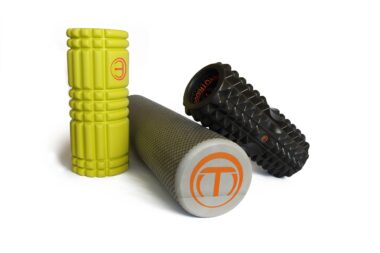
As athletes frequently travel for competitions and training, addressing their recovery becomes vital. Cold therapy is gaining traction among athletes for its effective recovery benefits. It primarily revolves around the application of ice or cold packs post-exercise. This method reduces inflammation, alleviates pain, and speeds up recovery, allowing athletes to maintain optimal performance levels. Moreover, cold therapy can easily be implemented during travel, making it highly convenient. Similar methods, such as ice baths, can be utilized at hotels with adequate facilities. Athletes also find using compression garments beneficial, as they support blood circulation and reduce swelling. This method can be combined with cold therapy for enhanced results. While on the go, hydration remains crucial as it aids in muscle recovery. Drinking plenty of fluids helps cleanse the body of toxins and facilitates nutrient distribution. Additionally, utilizing foam rollers can provide effective muscle relief on the road. Not only do foam rollers address muscle tightness, but they also enhance flexibility. Ultimately, a combination of cold therapy, hydration, compression, and foam rolling can initiate a robust recovery process for traveling athletes.
The Science Behind Cold Therapy
Cold therapy, often referred to as cryotherapy, effectively manages athlete recovery through systemic physiological responses. The primary mechanism involves vasoconstriction, which temporarily reduces blood flow to targeted areas, lessening inflammation and pain. Internally, metabolic activity decreases, allowing muscles to recuperate faster after rigorous activity. The reduction of blood flow reduces metabolic waste production, preventing delayed onset muscle soreness (DOMS), which is critical for athletes continuously pushing their limits. Many professional sports teams now incorporate cryotherapy into their training regimens due to its efficacy. Cold therapy involves various forms, including localized ice packs, cold water immersion, and even cryo chambers for full-body exposure. Duration and intensity matter significantly; short bursts provide the most benefit while minimizing risks of hypothermia or skin damage. Recent studies suggest that the optimal duration is between 15 to 20 minutes, depending on the method. Despite its advantages, athletes must be cautious about relying solely on cold therapy without integrating other recovery practices. Complementing cold therapy with active recovery methods ensures comprehensive muscle rehabilitation and injury prevention. As travel becomes increasingly common for athletes, these innovative methods must be effectively implemented for peak performance.
Another innovative recovery method includes the use of contrast baths. This technique alternates between warm and cold water immersion, promoting circulation and reducing muscle soreness. Athletes traveling with access to pools can easily utilize this method to enhance recovery. The heated water relaxes muscles while the cold water helps in constricting blood vessels, improving the flushing out of metabolic waste. This back-and-forth continues to boost muscle recovery, making it popular among competitive athletes. Additionally, breathing techniques such as diaphragmatic breathing can help manage stress while travelling. The psychological aspect of recovery plays a significant role, particularly while dealing with the pressures of competition in a new environment. Incorporating mindfulness and stretching into a warm-up routine prepares both the mind and body. Engaging in yoga or dynamic stretches can heighten flexibility and mitigate injuries. Post-competition, athletes need to cool down and focus on recovery immediately. Activities such as progressive muscle relaxation allow athletes to relieve tension and optimize recovery. Travel plans should include allotted recovery time as part of an athlete’s itinerary, emphasizing this importance in every journey toward competition performance.
Nutritional Support for Recovery
While various physical methods of recovery are important, nutrition must be prioritized as well for optimal performance and recovery. Proper nutrition fuels the body, aids in recovery, and prevents injuries. Athletes should focus on a balanced diet rich in proteins, healthy fats, and carbohydrates. Consuming protein-rich foods such as lean meats, fish, legumes, and dairy helps repair muscle fibers post-exercise. Carbohydrates replenish glycogen stores, crucial for energy during training and competition. Healthy fats, found in nuts and avocados, support long-term health and functionality. Additionally, athletes should consider the timing of their meals around training sessions. Nutrient timing—a deliberate strategy involving the consumption of nutrients post-exercise—can significantly enhance recovery times when followed. During travel, packing small, nutrient-dense meals and snacks for immediate refueling can mitigate fatigue and maintain energy levels. Supplements such as protein powders and hydration tablets can also help optimize nutritional intake while on the fly. Preloading with proper nutrition before travel can set athletes up for optimal performance, particularly in later competition stages. Always consult with a sports nutritionist to tailor a plan addressing an athlete’s individual needs and travel schedule.
Travel arrangements should allow for adequate sleep, which is a critical foundation for recovery. Sleep hygiene creates an environment conducive to restful sleep while on the go. Athletes often face challenges, such as time zone shifts and crowded accommodations, impacting their sleep quality. Solutions for this include maintaining a consistent sleep schedule during travel, even if it means adapting to local time zones gradually. Utilizing sleep masks and earplugs can help counter disturbances in hotel rooms. Additionally, practicing relaxation techniques such as meditation before bedtime ensures a calm transition into sleep. Napping, when properly timed, can also be beneficial. Athletes should aim for short, 20–30-minute naps to recharge without entering deeper sleep stages. Monitoring performance levels through tracking recovery and sleep can significantly inform training regimens. Applications are available to help assess the quality and duration of sleep effectively. Athletes may also explore environmental variables, such as the temperature of sleeping spaces or light levels, to enhance their rest. An effective recovery strategy must include sleep as a component. Addressing these needs while traveling will ultimately yield sustainable fitness and performance improvements.
Technology’s Role in Recovery
Emerging technologies enhance recovery methods substantially for traveling athletes. Fitness applications and wearable technology enable monitoring crucial health metrics, including heart rate, sleep patterns, and overall recovery levels. These applications provide valuable insights that help athletes adapt their training regimens and recovery methods according to their conditions. Wearables can track and monitor fatigue levels, informing athletes of when additional recovery measures are required. Devices utilizing electrical muscle stimulation (EMS) facilitate increased blood flow during travel, aiding muscle recovery. Some advanced portable devices are now even designed specifically for athletes, allowing recovery sessions during flights or long rides. Access to real-time data can inform athletes about hydration needs, helping them maximize performance naturally. Virtual reality (VR) for mindfulness training offers athletes a fresh dimension in psychological recovery. Guided VR experiences can enable relaxation and reduce pre-competition anxiety. As athletes navigate busy schedules, incorporating technology can streamline training and recovery processes efficiently. Balancing physical and mental recovery through technology ultimately enhances performance outcomes. Athletes looking for innovative solutions should explore these technologies to enhance their overall recovery experience while traveling.
Ultimately, cold therapy and innovative recovery methods can significantly improve the travel experience for athletes. The commitment to proper recovery plays a vital role in achieving sustained peak performance. Strategies such as applying cold therapy methods, maintaining nutrition, ensuring proper sleep, using technology, and implementing active recovery all contribute to overall success. When traveling, preparation is key; athletes should equip themselves with the knowledge and tools to recover effectively. This comprehensive approach to fitness recovery not only minimizes injuries but also cultivates long-term health and performance resilience. Consider exploring various recovery methods, customizing them based on personal preferences and travel availability. Continuous learning about the latest advancements and understanding individual needs will help athletes create personalized recovery plans. Inclusion of practices such as mindfulness and nutrition can create a holistic approach to athlete recovery. Being or feeling rejuvenated enables athletes to compete at their best when it counts. As they embrace travel as part of their lifestyle, prioritizing recovery techniques will ensure they not only thrive in competitions but also enjoy the journey ahead.
Final Thoughts
The path to effective recovery requires a multi-faceted approach tailored to the unique challenges faced by athletes on the move. A blend of physical methods, nutritional strategies, technological innovations, and individualized planning can empower athletes to flourish despite the hurdles of travel. Cold therapy stands out among various recovery methods, offering remarkable benefits, but should not exist in isolation. Incorporation of various methods fosters a robust recovery ecosystem, optimizing performance long-term. Recovery time must be seen as an integral part of athletic training; ignoring it can be detrimental, especially while on the road. Education around recovery strategies is vital for both novice and experienced athletes. Collaborative work with trainers, nutritionists, and mental health professionals can solidify one’s recovery approach. Traveling athletes must communicate their needs effectively to those supporting them. This collaboration can lead to a greater understanding of how best to manage the demands of travel. As the sports world continues to evolve, so do the strategies surrounding athlete recovery. Staying informed about emerging trends and techniques can empower athletes to push their limits safely and effectively.