Daily Flexibility Workouts You Can Do in Your Living Room
If you’re looking to improve your flexibility, a series of effective workouts can be done right in your cozy living room. Flexibility is not just essential for athletes, but it also helps prevent injuries and reduces muscle tension. A daily flexibility routine can enhance your performance in numerous activities, from sports to daily tasks. Incorporating just a small amount of dedicated time in your day can significantly improve your overall flexibility. Start dedicating as little as ten to fifteen minutes per day to these exercises. Begin each session with a warm-up to prepare your body. Simple movements such as arm circles or gentle back stretches can be very beneficial. After your warm-up, delve into deeper stretches, holding each position for at least 30 seconds. This allows your muscles to relax and elongate properly. By practicing consistently, you will notice gradual changes in your body. Practicing daily flexibility workouts can result in increased mobility, reduced risk of injury, and a feeling of overall well-being. With minimal space and no equipment needed, flexibility workouts are accessible to everyone, making them a fantastic addition to your routine.
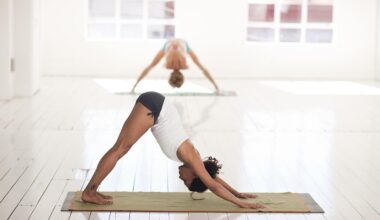
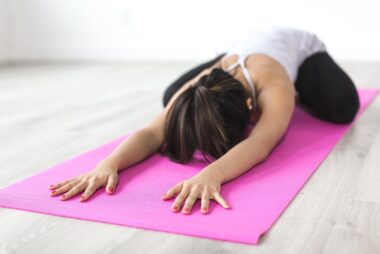
Here are some flexibility workouts you can seamlessly incorporate into your daily routine. First, consider trying the sitting forward bend, an excellent way to stretch your hamstrings and lower back. Sit on the floor with your legs extended. Slowly lean forward, reaching for your toes while feeling a gentle stretch. Another great move is the butterfly stretch. Sit with your feet together, letting your knees fall outward. Hold your feet with your hands and lean forward until you feel a stretch in your inner thighs. The cat-cow stretch is effective as well. Get onto your hands and knees, and gently alternate between arching your back toward the ceiling and lowering it toward the floor, synchronizing with your breath. Next, the cobra pose is perfect for opening up your chest and stretching with intensity. Lie face down, place your hands under your shoulders, and gently lift your head and chest. Finally, finish your session with a relaxing child’s pose. This fully rests your body while deep breathing helps to center your mind. Consistency is key, so practice these workouts frequently while focusing on your breath and pacing yourself.
Benefits of Flexibility Workouts
Engaging in flexibility workouts provides numerous benefits that go beyond just improved physical performance. Enhanced flexibility can lead to a broader range of motion, making it easier to perform daily tasks such as bending or reaching for items. This increased mobility can also result in better posture, reducing strain on muscles and joints. In many cases, practicing flexibility can help alleviate conditions like lower back pain or tight shoulders. With daily practice, you may find your overall body awareness improves along with your ability to continue exercising pain-free. Flexibility exercises are also invaluable for stress relief by promoting relaxation and calming the mind. Deep stretching encourages mindfulness and helps release physical manifestations of stress. As your flexibility improves, you’ll likely feel more confident in your athletic abilities. This confidence can inspire you to explore different sports or physical activities that were previously intimidating. Furthermore, flexibility workouts can significantly contribute to your mental health. They provide a moment of self-care and can foster a strong sense of accomplishment as you achieve new stretching goals, keeping you motivated and focused on your fitness journey.
To maintain motivation and ensure effectiveness, establishing a structured flexibility routine is crucial. This might begin by setting specific goals for your flexibility journey. For instance, you could aim to touch your toes or increase your range in a particular stretch. Documenting your progress through notes or timing your stretches helps track advancements and maintain motivation. Incorporate variety into your routine, shifting between different types of stretches every few weeks. This can combat monotony while also ensuring you’re targeting a wider variety of muscle groups. Introducing some music or your favorite podcast can make your sessions more enjoyable. Furthermore, consider creating a space dedicated solely for your workouts. Even if it’s just a small corner in your living room, designate it for flexibility training to develop a positive association with it. Include props such as a yoga mat for added comfort, which can motivate you to engage regularly. Flexibility workouts become something you look forward to when approached with a positive mindset and a focus on personal goals. Make time each day to invest in your body’s future health and wellbeing through these essential workouts.
Focused Stretching Techniques
When executing flexibility workouts, focused stretching techniques can help achieve maximum results, and awareness is key. Start sessions with dynamic stretches to warm your muscles, preparing them for deeper engagement. These can include leg swings or arm circles. Transition into static stretching afterward, holding each stretch while focusing on your breath. For effective stretches, listen to your body rather than pushing yourself to extremes. The goal is to feel a gentle pull rather than sharp pain. Never bounce when stretching, as this can lead to injury. Ensure that your breathing rhythm remains consistent throughout the routine, as this promotes relaxation and enables your muscles to accept the stretch. Practicing mindfulness during these sessions enhances the effectiveness and can aid in reducing stress. Consider using visualization techniques, imagining your muscles elongating as you stretch. After your workouts, apply some gentle movements, like walking around, to maintain blood flow. Include some light self-massage on stiff areas afterward. Throughout this process, patience with your progress is vital so that gradual improvements lead to long-lasting flexibility gains.
Additionally, it is essential to stay hydrated throughout your flexibility workouts, as hydration directly impacts muscle elasticity. Water is crucial for maintaining optimal muscle function, especially during stretching sessions. Prioritize hydration before, during, and after your workouts for the best results. Remember to fuel your body properly with nutritious foods to support muscle function and recovery. Incorporate whole grains, lean proteins, and fruits and vegetables into your diet. Supplements, such as magnesium and omega-3 fatty acids, may also enhance flexibility and reduce inflammation. If you’re incorporating weights or resistance bands, ensure you balance strength training with flexibility to avoid muscle imbalances. Sticking to a well-rounded fitness regimen can improve your flexibility, balance, and coordination. Consider joining online classes or finding workout buddies for added motivation. They can hold you accountable and help create a supportive community. Following this, take your progress seriously by reflecting regularly on your achievements. Celebrate completing stretches you once found challenging—this acknowledgment adds positivity to your journey and is vital to your ongoing motivation. Embrace the adventure you’re on, and let flexibility enrich both your body and mind.
Creating a Comfortable Environment
Creating a comfortable and inviting environment for your flexibility workouts enhances the experience. The right setting can impact focus, performance, and relaxation. Begin by decluttering the space you’ll utilize for your workouts, ensuring it is clean and free from distractions such as television or electronic devices. Practicing in a well-lit room can also improve your experience, so consider both natural and artificial lighting. If possible, practice near a window where fresh air and sunlight can uplift you. Incorporate some calming elements into your space, such as plants or soft fabrics to enhance the comfort level. A cushioning yoga mat can also make a significant difference in your comfort during floor stretches. Consider enhancing your environment with soothing music or nature sounds to help deepen relaxation. Encourage an atmosphere of tranquility by setting the mood with the use of candles or aroma diffusers. Scents like lavender can promote relaxation and ease tension, while upbeat music can energize your practice. All these combined create a sacred space, allowing you to fully engage with your flexibility workouts and witness transformative results in your body.
Finally, remember to set realistic expectations for your flexibility journey to avoid frustration. Flexibility takes time to develop, so it’s important to celebrate small accomplishments along the way. Patience is a vital aspect of the process, and maintaining a positive mindset can make all the difference. Instead of focusing on how far you need to go, shift your perspective towards appreciating how much you’ve improved. Even minor advancements contribute to your overall flexibility. Take pictures and record measurable progress to motivate yourself continuously. Incorporating moments of joy into your workouts can also promote consistency. Play games with stretches, challenge yourself every week, and get creative with your routine. Turn these workouts into a fun activity where self-improvement is prioritized. Remember to communicate your goals with friends or family when seeking support, as they can offer encouragement and share in your journey. Flexibility workouts can be far more than just stretches; they can weave seamlessly into your lifestyle and create stronger connections with your body. As you embrace this aspect of fitness, strive not only for flexibility but also for body awareness and self-love as you cultivate your overall fitness journey.