
How to Set Up Your Home Gym with Free Weights
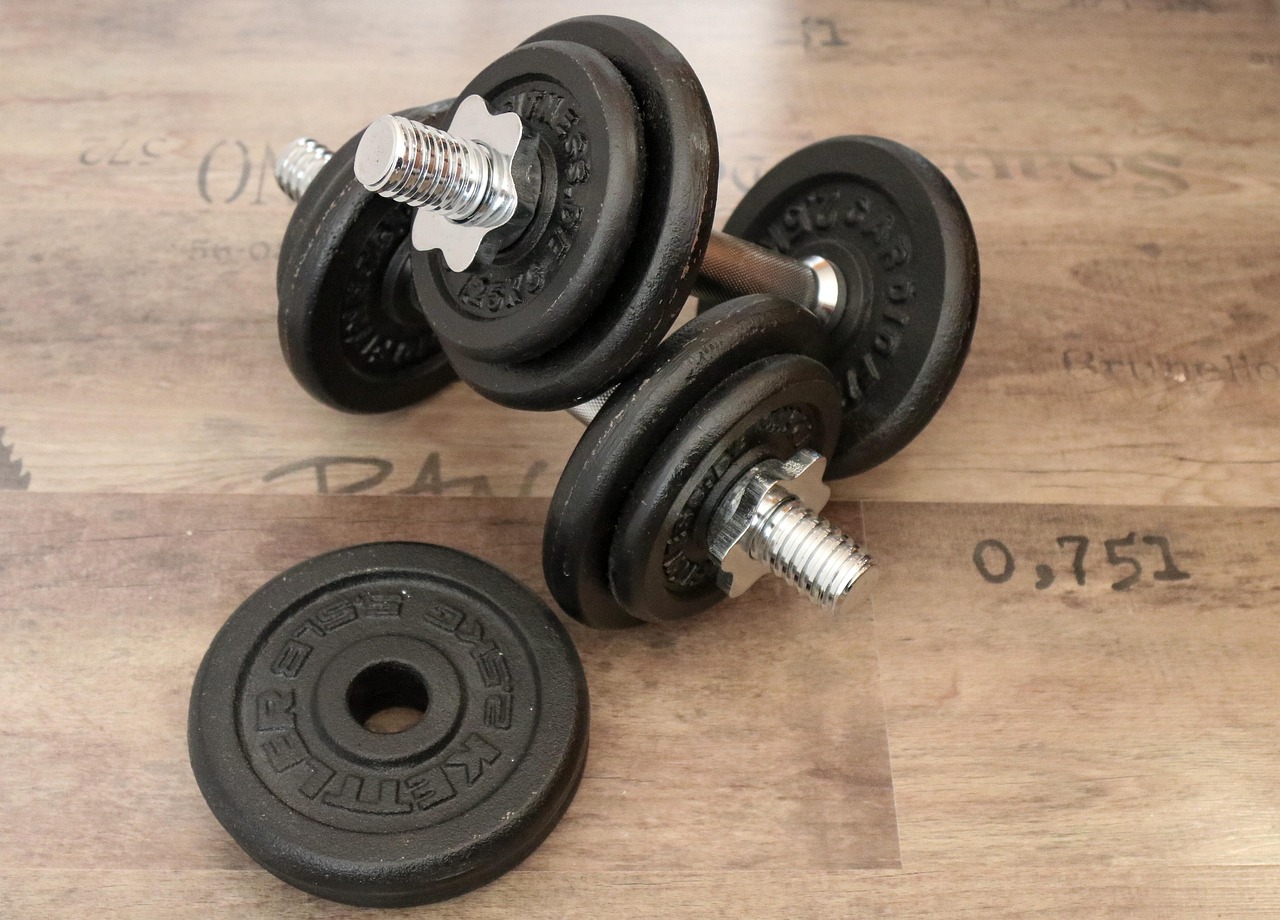
Setting up your home gym with free weights is not just about convenience, but it also helps in achieving fitness goals effectively. To begin, determine the available space you have. A small corner of your garage, living room, or even a dedicated room can work perfectly. Ensure that the area is well-ventilated, allowing you to exercise comfortably. Choose flooring that is supportive and can handle the weight of your equipment. Rubber flooring is recommended for safety and protection. Additionally, adequate lighting is crucial as it enhances visibility and can motivate you during workouts. Once you’ve chosen the ideal space, look into the different types of free weights available. Dumbbells, kettlebells, and barbells are some options, and they provide a range of weight deposits. Consider starting with a couple of pairs of adjustable dumbbells that cater to different strength levels. This flexibility allows you to progress without needing multiple sets. Keep your weights organized with a rack, which will also help maintain a neat workout area. Lastly, don’t forget to keep your space inspiring, perhaps adding motivational quotes or images.
Deciding on the right free weights is crucial for tailoring your workouts. Think about your fitness level and goals. Beginners might start with lighter dumbbells, gradually increasing weight as strength builds. Look for adjustable dumbbells as they offer versatility without occupying too much space. You might also want to invest in kettlebells, which are excellent for functional training, improving strength and endurance. If you’re interested in Olympic lifts, a barbell with appropriate weights will be essential. It’s also useful to have a variety of weights available for different exercises, as variations can target multiple muscle groups. Moreover, ensure all your free weight equipment meets safety standards; invest in well-made, reliable brands. Investing in a weight bench can add greater function to your home gym. A sturdy bench can allow you to perform various exercises like presses or seated dips. You may also want to add a power rack for advanced lifting. It provides safety when lifting heavier weights and assists in perfecting form. So, when selecting equipment, consider your workout preferences, and continuously challenge yourself to reach higher fitness levels.
Creating an Effective Workout Space
Once you’ve secured your equipment, focus on creating an effective workout space. The right environment can significantly boost your performance while exercising. First, ensure your area is free of distractions. Liberate it from unnecessary clutter and devise a dedicated corner just for exercise. Next, personalize your space to inspire you. Paint the walls a motivating color or hang your favorite fitness-related artwork. Adding mirrors can boost motivation and ensure proper form during exercises. You’ll want enough space to perform your workouts safely. Whether your goal is building strength or losing weight, being able to move freely without hindrance is vital. It’s also essential to incorporate adequate storage solutions for your equipment; shelves, bins, or designated corners help maintain order. Consider including a mat or soft surface for floor exercises. Ensure your space has a soundtrack as well; upbeat music can elevate your workout mood. Lastly, keep fitness journals or chart progress visibly in your workout space. This lets you observe your advancements and promotes a consistent routine in your journey of health and wellness.
Warm-up before diving headfirst into your workouts. Preparatory exercises ensure that your muscles are ready for the stress of lifting weights. A proper warm-up can prevent injuries and enhance overall performance. Spend around 5-10 minutes doing dynamic stretches or light cardio to get your heart rate up. Activities like jogging in place or jumping jacks are efficient warm-ups. Afterward, incorporate stretches that target the major muscle groups you’ll be working on. This is particularly critical when using free weights, as proper form reduces injury risk significantly. To cool down, similarly allocate time afterward for a cooldown phase. Focus on static stretches, allowing the muscles to recover after an intense session. Stretching post-exercise can aid flexibility while alleviating muscle soreness. Most importantly, listen to your body. It’s essential to observe how your joints and muscles feel; adjusting your weight or drills accordingly can prevent overtraining. Pairing warm-ups and cooldowns with consistent hydration completes the exercise experience. Prepare your water bottle at hand for easy access during workouts. Hydration aids performance and recovery.
Establishing a Routine
Establishing a routine transforms sporadic workouts into a committed fitness lifestyle. The first step is to schedule your workouts just like any appointment. Identify which days and times work best for your daily schedule, and stick to them. Consistency is key to forming habits, so treat these times as non-negotiable. Integrating tracks for different muscle groups throughout the week is beneficial. For example, allocate one day for upper body workouts, one for lower body, and reserve days for rest or recovery training. Additionally, balancing your workouts with cardio sessions enhances endurance, improving overall fitness. Allowing variation in your routine prevents boredom. Incorporating different exercises keeps engagement high; try alternating between free weights and bodyweight exercises. Furthermore, be adaptable with your routine by integrating flexibility to adjust your workouts in case of unexpected events. Use fitness apps to track routines and measure progress; seeing advancements motivates further commitment. Sharing your goals with friends or joining online fitness communities can provide additional encouragement as well. Lastly, be patient with yourself and remain focused on your long-term goals. The journey toward fitness is gradual but rewarding.
Incorporating nutrition into your fitness regime is essential for maximizing results from your free-weight workouts. A balanced diet rich in proteins, carbohydrates, and healthy fats supports muscle recovery and energy levels. Make sure your meals include quality protein sources, such as chicken, fish, or plant-based options, which aid muscle repair. Alongside, ensure sufficient carbohydrate intake to sustain energy throughout workouts. Whole grains, fruits, and vegetables provide necessary fuel for rigorous training sessions. Additionally, don’t underestimate the importance of healthy fats present in nuts and avocados; these provide caloric energy. Alongside proper nutrition, consider taking time to meal-prep. Planning your meals weekly allows you to align eating habits with fitness objectives. Stay mindful of portion sizes, especially if aiming for weight loss. Monitoring overall caloric intake can tremendously aid in reaching health goals. Alongside nutrition, adequate sleep is critical for proper recovery. Aim to get at least 7-8 hours of sleep at night to ensure muscle repair and growth. Pairing sleep and nutrition with workouts will enhance your physical results, allowing your journey to be as rewarding as possible. In your fitness drive, remember that it’s a lifestyle and adaptation process.
Tracking Your Progress and Staying Motivated
Tracking progress is instrumental in achieving fitness goals, particularly when working with free weights. Set measurable goals that allow constant reflection on advancements. Progress might include increasing the weight you can lift, performing additional repetitions, or extending workout durations. Journal these details to maintain visual motivation throughout your fitness journey. Fitness apps can aid in documenting various metrics, providing insights into your improvements. This data makes it easier to adjust your routines as necessary, optimizing effectiveness. Capture photos over time to visually witness transformations. Additionally, consider participating in virtual challenges or setting group competitions with friends or fellow gym enthusiasts. Accountability has an immense influence on the consistency of your workouts. You can share milestones on social media or fitness apps for an added layer of motivation. Joining local fitness groups or online forums can foster community support around shared goals. Their encouragement can help you remain focused and inspired, especially during challenging days. Rewards can be effective too; treat yourself to fitness gear or a recovery day for reaching milestones. Remember, consistent growth, including your mind and body, is the ultimate goal.
Establishing your home gym with free weights offers numerous advantages and lasting benefits. However, it requires commitment, planning, and a structured approach. The most significant aspect is that it allows you to work out on your own schedule, granting flexibility amidst life’s demands. You can design workouts that cater specifically to your preferences and goals, making fitness both enjoyable and efficient. Free weights provide a wide array of exercises that target every muscle group. They not only improve strength but also enhance coordination and balance. Moreover, a home gym can save time and money, eliminating the need for gym memberships or commute. While the initial investment might seem daunting, consider it a personal commitment to health and wellness. Continue improving your knowledge about exercises and safety to maximize results. When it comes to fitness, personalization is key. In your journey, also ensure you surround yourself with motivation; climb your highest potential and embrace the process. Celebrate every small victory and foster a mindset for growth. By maintaining consistency, tracking progress, and enhancing your home gym, you will achieve your desired fitness level.