
The Impact of Aerodynamics on Bobsled and Luge Speed
Aerodynamics plays a crucial role in bobsled and luge sports, determining the speed athletes can achieve on the track. As bobsledders and lugers reach incredible speeds, every element of design is meticulously crafted to minimize drag. The shape of the bobsled or luge, including its length, width, and profile, influences air resistance. Streamlined designs help the athletes cut through the air efficiently, allowing for faster descents. Materials used in construction, such as lightweight composites, further enhance performance by reducing the overall mass without sacrificing strength. Additionally, the positioning of athletes is vital; the way they sit or lie can significantly affect aerodynamic efficiency. Every movement is studied, as even slight shifts can alter airflow and subsequently velocity. Coaches and engineers oftenUse advanced simulations and wind-tunnel testing to analyze various designs and athlete positions. In the world of competitive winter sports, understanding aerodynamics is not just an advantage—it is essential for success. This focus on aerodynamics will continue to evolve alongside technology, driving innovation in bobsledding and luge from one season to the next.
The Physics of Drag and Lift
Understanding the physics of drag and lift is paramount in improving speed in bobsled and luge sports. Drag is the aerodynamic resistance encountered by the sled or luge as it moves through the air, described by the drag equation. The drag force increases with the square of speed, making it increasingly difficult to overcome at high velocities. Therefore, reducing drag is essential for optimal performance. Lift, on the other hand, can be a double-edged sword; while it can help a sled maintain stability, excessive lift can lead to altitude loss and instability impacts speed negatively. Bobsleds and luge designs aim to strike a balance between these forces. This balance can be affected by minor adjustments in the shape, adding specialized fairings, or even modifying the athlete’s position. Engineers carefully analyze the relationship between these forces during design iterations to perfect the equipment. Teams invest heavily in simulations that replicate real-world conditions to forecast how changes will impact performance. The interplay of these factors requires constant study and iteration in both engineering design and athletic training, making it a continuously evolving field.
The design of bobsleds and luge significantly impacts how aerodynamic principles are applied. Each sport has unique requirements, leading to different design strategies. Bobsleds have a wider, bulkier design to accommodate teams, while luges are narrower and leaner, maximizing aerodynamics for solo competitors. The slope of the track also influences the design choices; a steeper incline means higher speeds, necessitating specific aerodynamic features to manage drag effectively. Engineers utilize computer-aided design tools to create 3D models that allow for extensive testing before construction. Wind tunnels are frequently used, where prototypes are tested against controlled wind speeds, offering insights into how design changes can improve speed. Additionally, the surface of the sled or luge is engineered to reduce friction contact with the air. All these design considerations are crucial as they directly correlate with performance and race outcomes. By optimizing every aspect of design, teams can achieve marginal gains, which often determine race winners in high-stakes competitions. The relentless pursuit of speed underscores the importance of innovative designs in bobsledding and luge.
The Role of Team Dynamics and Training
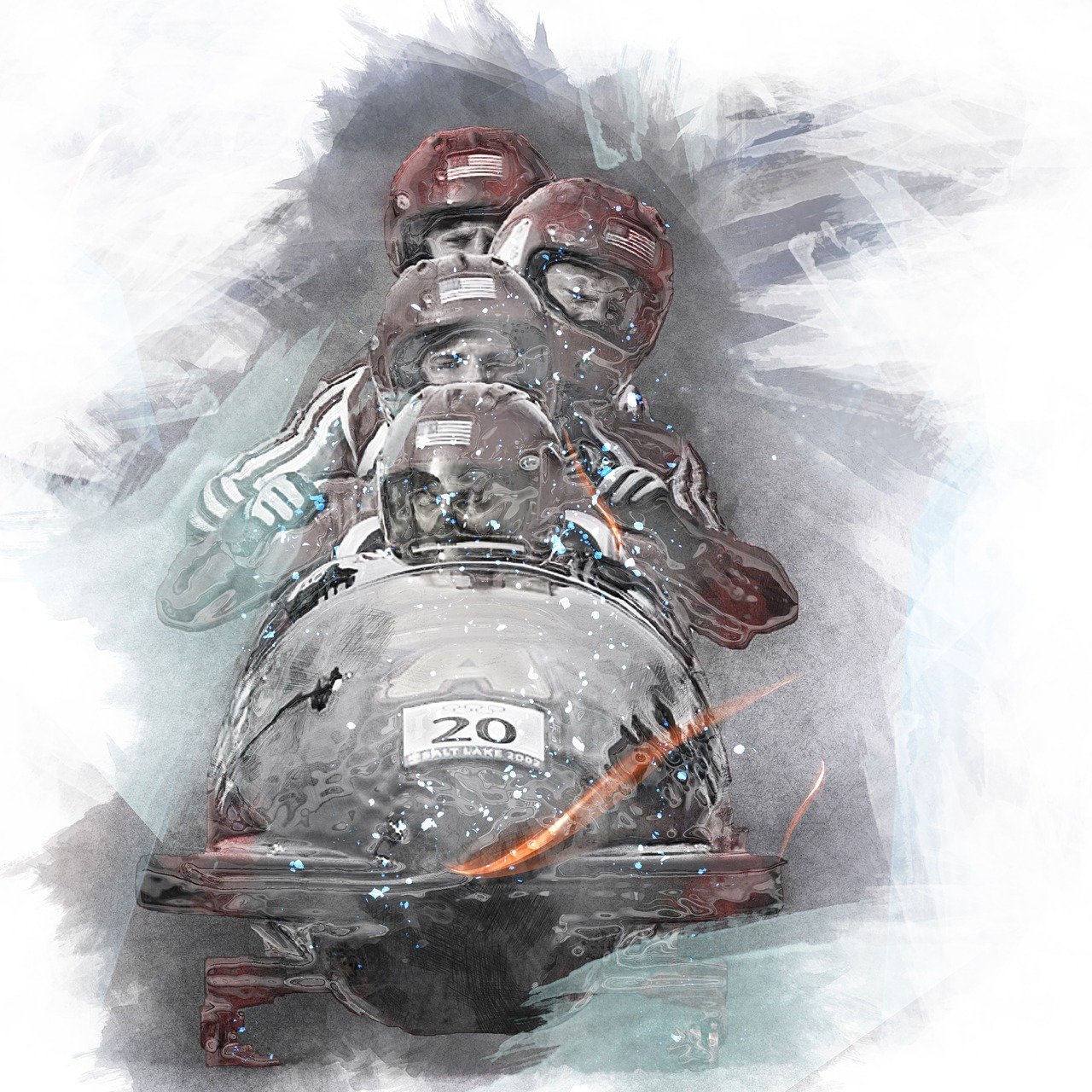
While equipment and aerodynamics are critical, the synergy between team members also enhances bobsled and luge performance. In bobsledding, teamwork is essential as the crew maneuvers the sled down the track. Each member must perform their respective roles flawlessly; that includes pushing off the starting block, maintaining balance, and executing precise steering. The aerodynamic setup can be optimized using advanced techniques that adjust the sled’s core structure based on team dynamics. Teams often go through rigorous training regimens that focus on both physical conditioning and cohesive teamwork. Communication and synchronization are crucial; any delay or misstep can compromise speed and safety. Similarly, lugers, who race solo, must focus on their technique while maintaining a streamlined position without the aid of a team. Luge athletes invest hours practicing their runs, developing skills that maximize their body position and balance throughout the course. Through these tailored training programs, athletes learn how to balance speed and control, creating conditions where aerodynamic principles can be fully leveraged to enhance race times.
The psychological aspects of preparing for high-speed runs can’t be underestimated. Athletes in bobsledding and luge operate under immense pressure to perform; the mental edge can be just as important as the physical one. Elite athletes often work with sports psychologists to develop mental resilience and focus. Visualization techniques are popular, helping competitors vividly imagine flawless runs before they occur. Learning to cope with the intense speeds and potential dangers also forms a core part of their training regimen. Building confidence in their equipment and team, as well as refining responses to changing track conditions, prepares athletes to perform optimally under pressure. Mentally rehearsing races can lead to better performance, pushing the limits of what can be achieved through both psychology and biomechanics. Furthermore, understanding one’s emotions during a race can influence concentration levels and decision-making. By developing strong psychological techniques alongside physical training, athletes can maximize their performance, allowing for better exploitation of the aerodynamic advantages their designs offer.
Future Innovations in Bobsled and Luge Designs
The future of bobsled and luge sports lies in continued technological innovation. As we move forward, advancements in materials science will likely yield lighter, stronger materials that can further reduce drag. Innovations in sensor technology will assist in collecting real-time data about the sleds’ performance, giving teams invaluable insights. These innovations aim to further incorporate aerodynamics into the engineering spectrum, constantly refining designs to meet competitive demands and natural conditions on tracks. Automated systems could analyze airflow in real-time, allowing athletes to adjust their positions or tactics dynamically during runs. Robotics and artificial intelligence are expected to play significant roles in simulating races before actual runs, further enhancing preparation strategies. The integration of technology into sports facilitates better results and engages a new generation of athletes who understand the importance of leveraging every advantage. Such advancements will revolutionize the way bobsleds and luge are designed and operated in the competitive landscape. By continuously pushing the envelope on design, performance in these winter sports will reach unprecedented levels.
In conclusion, aerodynamics holds the key to speed in bobsled and luge sports, impacting every aspect from design through individual performance. Athletes, engineers, and coaches collaborate closely to understand and apply aerodynamic principles effectively. This synergy is evident in the optimized designs, training protocols, and psychological strategies that enhance performance. As advancements in technology progress, we can anticipate even more efficiency in sled designs, making bobsleds and luges faster than ever. These developments will push the sport into the future, with enhanced competitive scenes at every level. By marrying the latest technology with traditional training methods, these winter sports will continuously evolve. Athletes remain committed to improving performance while pushing on the edge of innovation. Every aerodynamic detail matters, exemplifying how meticulous attention translates into success on the track. With continued research and adaptation, both bobsled and luge have promising futures built on our understanding of aerodynamics, transformed into thrilling athletic performances that captivate audiences worldwide.
Ultimately, the thrilling spectacle of bobsled and luge is not just a contest of speed; it’s an intricate dance of physics, technique, and teamwork. Each run encapsulates months of preparation, innovation, and dedication, showcasing the beauty of human athleticism and scientific understanding. The exhilarating rush experienced by athletes and spectators alike emphasizes the unity of sport and science. Through focused efforts on design, training, and technology, future bobsled and luge competitors will continue to push boundaries, creating a fascinating narrative that blends sport with scientific progress. This synergy invites enthusiasts to appreciate both the thrilling action and the underlying principles that govern these incredible winter sports.