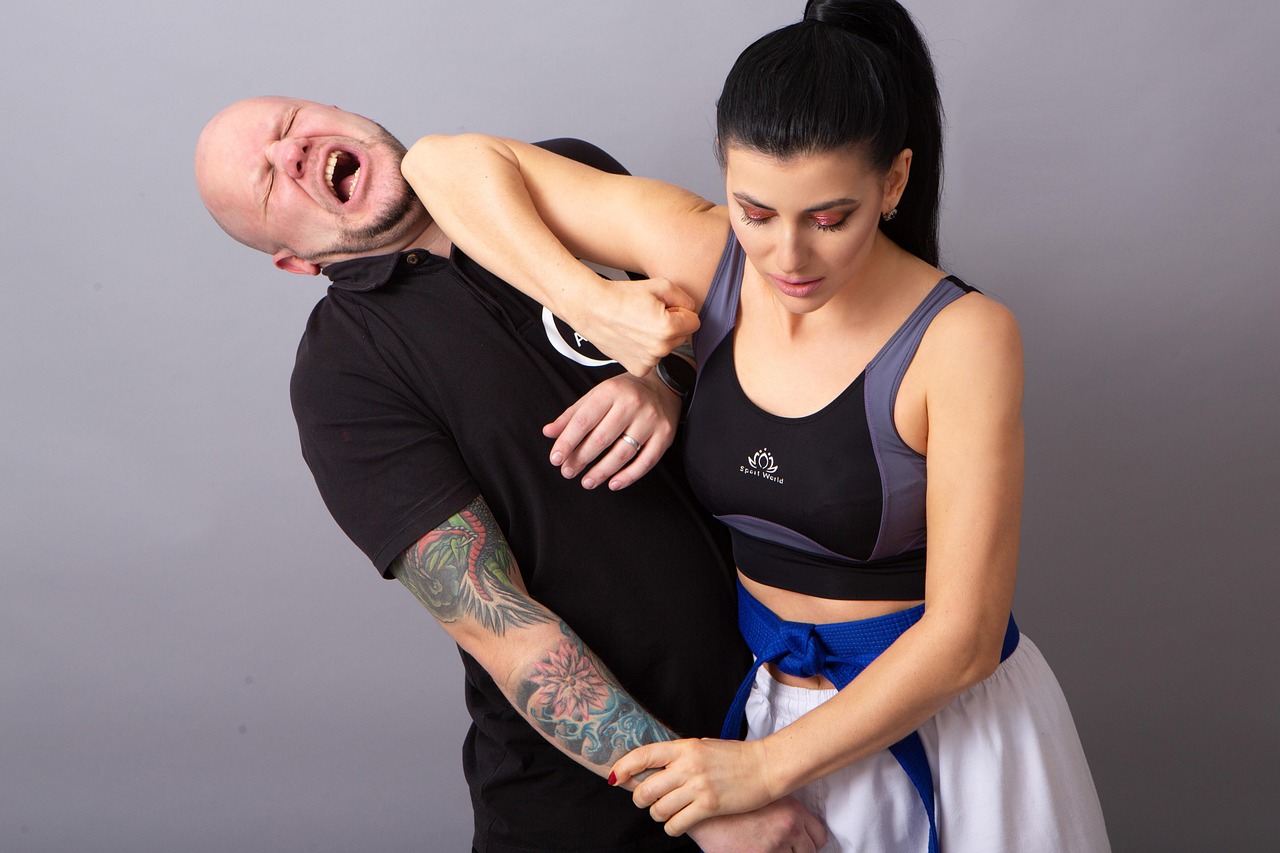

Taekwondo Self-Defense Against Common Street Attacks
In the world of self-defense, knowledge of Taekwondo can be incredibly beneficial. Taekwondo, a Korean martial art, emphasizes kicking and striking techniques, which are effective in various self-defense situations. Understanding these techniques can help individuals defend themselves against common street attacks. In times of danger, staying calm is crucial. When faced with an attacker, assessing the situation quickly helps in deciding the best course of action. Practicing the basic moves regularly can prepare you mentally and physically. Familiarize yourself with various stances, blocks, and counters. Additionally, Taekwondo teaches the importance of awareness. Being aware of your surroundings can help you avoid potential threats. It’s wise to look for escape routes in any threatening situation. Training hard can build proper reflexes to defend yourself. Taekwondo routines help in developing flexibility and strength, making them vital for effective self-defense moves. Regular practice also boosts self-confidence, empowering you to face challenges. This training not only equips you with physical skills but also enhances your mental resilience. With dedication and persistence, you will attain the confidence necessary to handle any real-life situations.
Key Taekwondo Techniques for Self-Defense
When it comes to Taekwondo self-defense techniques, several moves stand out as particularly effective. First, the front kick is essential for keeping attackers at bay. This simple kick can generate considerable power and distance. By executing the front kick correctly, you can create space between yourself and the aggressor. Additionally, the roundhouse kick gives you an advantage, allowing powerful strikes to an opponent’s head or chest. With practice, the roundhouse kick can become a key element in demonstrating your skills. Another crucial technique is the side kick, which can target an attacker’s knees or soft tissue areas. Precision and speed are vital to executing an effective side kick. Basic blocks such as the low block or high block serve as defensive measures against incoming strikes. Once you’ve established a solid defense, transitioning into counter-strikes is necessary. Practicing combinations of strikes and blocks helps develop fluid movement. Techniques such as punch combinations can surprise an attacker. Lastly, understanding the importance of grappling and joint locks will enhance your self-defense capabilities and provide alternatives when facing serious threats.
Awareness of one’s environment is vital in self-defense training. Knowing where potential threats exist in your surroundings can prevent many confrontations before they start. When walking in public places, it’s essential to maintain situational awareness. Look out for unusual behavior from individuals nearby, and avoid isolated areas when possible. If an impending confrontation appears unavoidable, remaining calm and composed can help you analyze your options. If speaking is appropriate, a calm approach can sometimes diffuse aggression. In case an attacker approaches you, your training should kick in. Being prepared mentally prepares you for physical responses. Always have a plan of escape in mind before confrontation arises. Focus on striking fast and getting out of harm’s way. Practicing visualization techniques in training can help solidify your responses. During training, simulate various scenarios to become accustomed to reacting under stress. Your goal is to escape safely, rather than engage in fighting. Make it a habit to seek help or signal for assistance if threatened. Always remember the primary aim of self-defense is personal safety, relying on your training to maneuver out unharmed.
Training Tips for Effective Taekwondo Self-Defense
Practicing Taekwondo effectively for self-defense involves a combination of physical and mental training. Here are essential tips to enhance your self-defense skills. First, consistent practice is crucial. Regularly attending classes allows for better technique refinement. Make use of practice partners to simulate real-life scenarios. This interaction teaches you adaptability and responsiveness to sudden changes. Additionally, focus on sparring exercises to develop reflexes and reaction time. Fluency in your techniques grows when engaging live opponents during controlled sparring sessions. Another essential tip is strength and conditioning training. A well-conditioned body is vital for effectively executing self-defense moves. Incorporate cardio, strength workouts, and flexibility routines into your regimen. This foundation will reinforce your movements and assist in recovery after intense training. Consider cross-training in complementary martial arts, as this provides broader skills and techniques. Lastly, mental fortitude plays an important role as well. Visualization of successful techniques prepares you mentally, heightening confidence. Reflect on previous training experiences to learn from mistakes, thus improving your performance. Staying focused on your goals allows you to progress steadily in your self-defense journey.
In addition, understanding the legal aspects of self-defense is essential for every martial artist. Knowing when and how you can legally defend yourself is vital. While martial arts training prepares you physically, the laws surrounding self-defense can vary by location. Familiarize yourself with local regulations regarding self-defense and allowable force. Utilize resources, workshops, or legal experts for guidance. This knowledge adds a crucial layer of awareness in your training. Always prioritize de-escalation tactics over physical confrontation when possible. Self-defense is the last resort; avoidance should always come first. In case of confrontation, acting proportionately to the threat ensures that you remain within your legal rights. Seek non-violent alternatives whenever you can. Documenting experiences and seeking counsel can provide valuable insights into your situations. Analyzing past encounters reinforces learning and improves technique. Talk with experienced practitioners to share strategies and build a stronger community. Awareness of your rights can guide you through emergency situations. Respecting your own training and the responsibility it entails is important. Creating safer communities entails using your skills judiciously towards prevention, self-growth, and self-respect.
Psychological Preparedness in Self-Defense
Psychological preparedness is as crucial as physical skills in self-defense. Understanding how to handle fear and anxiety can significantly improve performance during confrontations. Visualization techniques enhance mental resilience, allowing you to condition your mind for various potential scenarios. Imagine the optimal execution of your techniques under pressure, preparing for the unexpected. Mental rehearsals create familiarity and comfort when facing real-life predicaments. Regular meditation and mindfulness exercises can help center your thoughts. These practices enable better control over stress and anxiety during confrontations. It’s also important to develop a self-defense mindset. Confirming your worthiness of personal safety diminishes hesitation when faced with aggression. Understanding your personal triggers can help you remain calm in heated moments. Establishing a personal safety plan reinforces this mindset, making you better equipped to handle dangerous situations. Consider role-playing scenarios with peers to strengthen your prepared mindset. Feedback from others can also be beneficial, reinforcing confidence. Regular positive affirmations can uplift your mindset. Empowering yourself with knowledge boosts self-esteem. All these strategies ensure that you’re not just trained physically, but mentally as well, helping turn potential anxiety into assertiveness and action.
Ultimately, embracing Taekwondo as a means of self-defense offers numerous benefits that extend beyond just physical skills. The principles of respect, discipline, and focus provide a strong foundation for personal development. Engaging in self-defense training positively affects mental health, boosting confidence and resilience. As you progress in your journey, the sense of community in martial arts becomes apparent. Connect with like-minded individuals and share experiences to enhance personal growth. Regular interaction within this community fosters stronger teamwork and support. Furthermore, learning self-defense can transform your outlook on safety and security. With new confidence, you may feel empowered to avoid dangerous situations effectively. This proactivity can lead to vigilant behavior, safeguarding yourself and potentially others. Always continue expanding your knowledge by attending workshops or seminars, which can provide current insights into self-defense trends. Keeping updated allows you to refine your skills and maintain a proactive safety approach. Ultimately, practicing Taekwondo in a self-defense context cultivates not just fighter skills but equally strengthens character, resolve, and empathy. The journey of learning self-defense transforms you, making you a confident individual, ready to face life’s various personal challenges.