
The Science Behind Balance and Stability in Ice Hockey
Ice hockey places unique demands on players, requiring a blend of speed, agility, and balance. Balance training focuses on enhancing stability, enabling players to maintain control on the ice during dynamic movements. Improved balance allows athletes to skate effectively, absorb physical impact, and execute precise maneuvers while keeping the puck away from opponents. Proficient balance aids engagement in vital game scenarios such as avoiding checks or initiating fast breakaways. Additionally, players can enhance their performance by refining core stability, contributing to overall body control. Balance exercises can engage various muscles, ensuring enhanced proprioception and spatial awareness. Moreover, incorporating balance training can elevate skating posture and technique, which fosters agility and responsiveness on the ice. By committing to targeted training regimens, ice hockey players can mitigate injury risks associated with falls or awkward landings. The cumulative effect of balance-focused workouts supports player development while translating into direct benefits during intense competition. In this article, we explore innovative strategies employed in balance training tailored specifically for ice hockey players, aiming to enhance their performance under pressure.
Importance of Proprioception in Ice Hockey
Proprioception, often referred to as the “sixth sense,” is crucial for ice hockey players. It denotes the body’s ability to perceive its position and movement in space, which is vital for maintaining balance on the ice. Enhanced proprioception allows players to react swiftly and accurately to game dynamics, such as other players and puck movements. Training that targets proprioception involves exercises which challenge the sensory systems responsible for spatial awareness, thus enabling better performance during play. Implementing drills that include unstable surfaces—a balance board or wobble cushion—will force the body to adapt, improving control and coordination. Adopting single-leg exercises, like pistol squats, further channels proprioceptive feedback and promotes balance. Dynamic elements within these training regimens can engage the core and lower body effectively, fostering stability. Including agility drills in balance training also serves to simulate typical on-ice movements, thereby improving overall skating ability. Players who integrate proprioceptive training into their routine often report enhanced performance, decreased injuries, and improved reaction times. Such advantages can substantially impact game outcomes and personal achievement on the ice.
Another critical aspect involves the role of strength training in balance enhancement. Building strength in both the lower body and core muscles is integral to maintaining an upright posture during skating. Strong leg muscles provide a solid foundation, reducing the risk of falls during swift advances or physical confrontations. Resistance training that focuses on major muscle groups like quads, hamstrings, and glutes will empower players to maintain balance while executing complex moves. Functional strength routines can be integrated into an athlete’s training regime, simulating the specific movements encountered in the game. For instance, performing squats or lunges mimics the skating posture, helping players develop the necessary musculature for stability. Training also facilitates neuromuscular connections that promote coordination with strength. Enhanced lower body strength allows players to muscle through checks without compromising balance. Additionally, pushing boundaries with explosive strength exercises—such as box jumps—helps develop agility, further refining balance. Ultimately, developing strength not only bolsters stability but supports longevity in the sport by mitigating injury risks associated with collisions and unpredictable ice surfaces.
Dynamic Balance Training Techniques
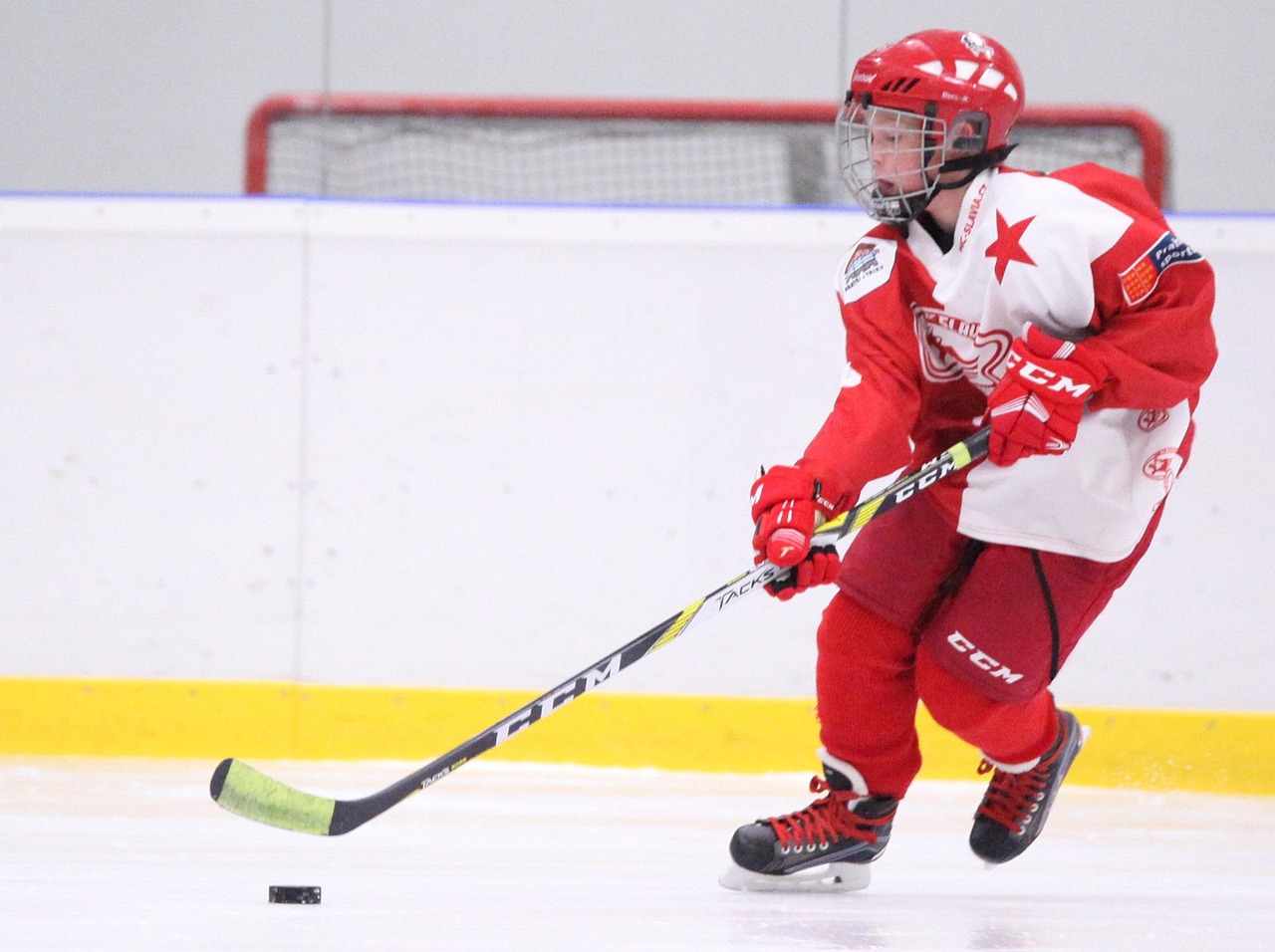
Dynamic balance training is particularly beneficial for ice hockey players, as it mirrors the sport’s fluid movements. Engaging in activities like lateral hops or agility ladder drills enhances the ability to control movements while in motion. Implementing these techniques helps refine coordination and boosts balance under duress. Additionally, players should incorporate plyometric drills that involve quick directional changes and explosive power, key facets in ice hockey. They can practice on-ice, transitioning between skating directions while performing simulated drills. Stability balls and Bosu trainers are excellent tools for introducing dynamic balance challenges; they require constant adjustments to maintain equilibrium. Including sport-specific scenarios such as stickhandling while balancing on one leg can further improve players’ stability while executing essential game skills. Ultimately, developing the ability to transition between balance states—on two legs, on one leg, or during skating—ensures players are prepared for unpredictable game actions. Consistently incorporating dynamic training within an athlete’s weekly regimen nurtures natural adaptations, ensuring that they become adept not only at maintaining their own balance but also at enhancing their gameplay overall.
The impact of proper footwear cannot be underestimated in balance training for ice hockey. Players need shoes that provide adequate grip and support while allowing freedom of movement for agility on the ice. Choosing quality skates that fit well supports balance by maintaining control during rapid skating or direction shifts. Skates with firm ankle support can minimize the risk of rolled ankles, especially when players pivot or stop abruptly. Additionally, using specially designed insoles can help optimize biomechanics by ensuring proper alignment and cushioning. Proper footwear can amplify the benefits gained from balance training while allowing athletes to train more effectively. Notably, ice hockey players should also consider the correct choice of laces and adjustments, as these impact fit and support during movement. Alongside choosing quality footwear, regular assessment of fit and comfort is needed, as feet can change over time due to physical training. Skates and proper support not only boost performance; they become an essential ingredient in creating confident athletes.
Recovery and Balance Training
Balance training should also integrate recovery techniques to promote long-term performance benefits for ice hockey players. Recovery focuses on restoring muscle function, reducing soreness, and enhancing flexibility after training sessions. Activities such as yoga or static stretching can significantly contribute towards improving balance and mobility. Stretching aids muscle elasticity, thereby enhancing coordination by preparing the body for future movements. Furthermore, implementing foam rolling or targeted massage post-training enables players to alleviate muscle tension and restore balance in muscle functioning. Integrating these recovery practices ensures ice hockey players are in peak condition for their next training or game. It can also mitigate the risks of injuries and support balance training by ensuring muscle recovery and overall stability are not overlooked. Hydration is another critical component of recovery that facilitates quicker muscle regeneration and energy replenishment. Moreover, players should focus on nutrition to provide the necessary building blocks for muscle repair and optimal performance. Implementing proper recovery techniques increase the effectiveness of balance training and supports players’ endurance throughout seasons filled with rigorous games.
In conclusion, balance training is foundational for optimal performance in ice hockey. By implementing a comprehensive program that incorporates proprioceptive exercises, strength training, dynamic drills, proper footwear, and recovery techniques, players can make significant strides in stability and overall performance. As the game demands quick pivots and intense physical contact, effective balance training can mean the difference between winning and losing. Coaches and players alike should prioritize balance as part of their daily training regimen. From elite athletes to aspiring newcomers, the fundamentals of balance should underpin overall training strategies, ensuring all players are prepared to face the challenges of the ice. By focusing on balance, they not only enhance their skills but also minimize injury risks through improved body awareness. Balance training is an evolving discipline, and players should continuously strive for improvement and innovation to stay ahead in this physically demanding sport. Thus, investing time and effort into balance training is essential for aspiring ice hockey players aiming for both personal and team success.