
How to Train for Endurance in Preparation for Whitewater Rafting
Whitewater rafting demands not only physical endurance but also mental preparation. Strengthening your cardiovascular system is crucial, as it enables longer periods of exertion without fatigue. Begin by incorporating aerobic exercises such as running, cycling, or swimming into your daily routine. Aim for at least thirty minutes of sustained activity that raises your heart rate to the target zone. To develop strength in your core and upper body, include resistance training that focuses on muscles used during paddling. Deadlifts and rows enhance back strength, while planks and sit-ups improve core stability. Furthermore, integrating specific exercises that mimic rowing can be beneficial. For instance, seated cable rows or resistance band workouts effectively simulate the paddling motion. Lastly, don’t overlook the importance of flexibility. Yoga and dynamic stretching can significantly improve your range of motion, which is essential for maneuvering in the turbulent waters. Prioritize proper form and technique not only for better performance but also to prevent injuries. As you progress, gradually increase the intensity and duration of your workouts. This structured training regimen will prepare you both physically and mentally for the challenges of whitewater rafting.
In addition to physical training, nutrition plays a critical role in your endurance and recovery. It’s important to consume a balanced diet rich in carbohydrates, proteins, and healthy fats. Carbohydrates provide the primary fuel source for your muscles, which are vital during prolonged activity such as whitewater rafting. Foods like whole grains, fruits, and vegetables should form the foundation of your meals. Proteins help in muscle repair and recovery, so including lean meats, eggs, and legumes in your diet will be beneficial. Healthy fats, found in avocados and nuts, provide sustained energy for longer workouts. Hydration is equally important, especially when undertaking physical activities in outdoor environments, where dehydration can quickly set in. Drinking plenty of water before, during, and after your training sessions will enhance your endurance and recovery times. Sports drinks may be useful for longer sessions to replenish electrolytes lost through sweat. Additionally, consider meal timing. Eating a nutritious meal or snack an hour before your workout can optimize performance. After your workout, refueling with a mix of protein and carbohydrates can kickstart recovery. By pairing exercise with the right nutrition, you’ll set yourself up for success.
Practicing on Water
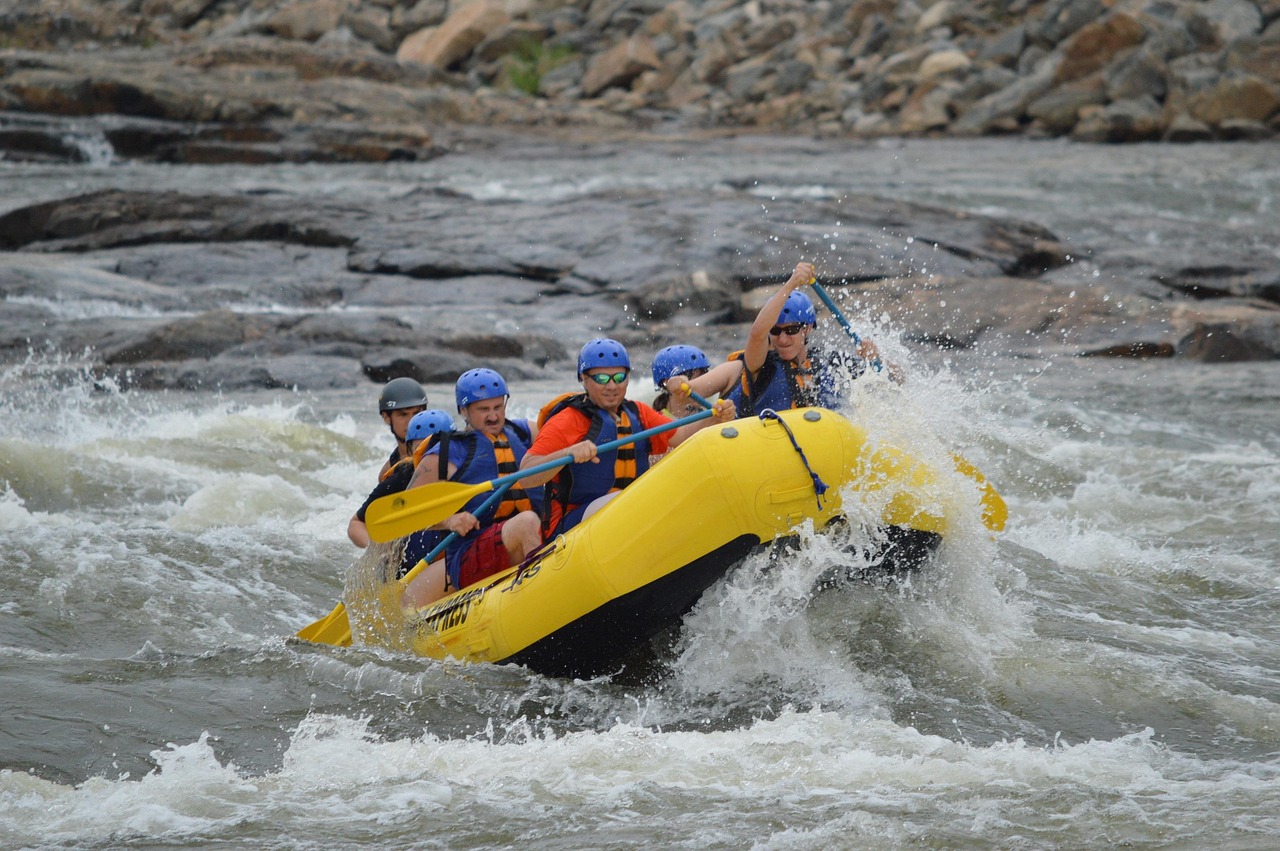
Practicing on the water is an irreplaceable part of training for whitewater rafting endurance. While strength and endurance training on land are essential, nothing compares to the experience gained from being in real water conditions. Begin your river training on calm waters to get accustomed to handling a raft. Gradually progress to more challenging conditions as you build confidence and competency. During these sessions, practice various techniques such as paddling in sync with your team, navigating through rapids, and executing proper strokes. Learning how to read the water and understand currents is vital for effective maneuvering. Additionally, practice drills to enhance team coordination. Seamless teamwork is crucial during rapid transitions, and coordinated paddling can significantly improve speed and efficiency. Engage in simulated rescue exercises to prepare for emergencies; knowing what to do if someone falls overboard can be life-saving. As you become more proficient, increase the intensity of your river training by tackling more difficult rapids. Setting personal challenges, such as timing your runs or increasing distances, can also enhance endurance. Engaging in river practice ensures you’re not only ready physically, but also mentally prepared for the unpredictability of whitewater conditions.
Cross-training is another effective strategy for improving endurance in preparation for whitewater rafting. Incorporating different activities into your fitness routine helps prevent burnout and overuse injuries. Activities like rock climbing, hiking, or kayaking can enhance both physical strength and endurance while providing a fun variation. Rock climbing, for instance, builds upper body and core strength, which are critical when navigating rapids. Moreover, hiking builds leg strength and endurance, and being outdoors aligns closely with the enjoyment of rafting without monotony. Additionally, use paddleboard workouts on flat water to develop balance, core strength, and endurance while mimicking the paddling motion. Each of these activities presents unique challenges that improve your overall fitness without the repetitive strain of traditional paddling workouts. Consider setting new goals or challenges that require you to push past your comfort zone; this can be an exciting and rewarding way to stay engaged with your training. Following a diverse and enjoyable cross-training routine keeps your mental focus sharp and supports physical gains, ultimately elevating your rafting performance. Always remember to listen to your body. Adjusting your training plan based on how you feel can lead to better long-term endurance development.
The Importance of Rest and Recovery
While rigorous training prepares you for the physical demands of rafting, adequate rest and recovery are equally important. Overtraining can lead to burnout, fatigue, and even injury, significantly undermining your endurance efforts. Prioritize sleep, aiming for at least seven to eight hours each night to facilitate optimal recovery. Quality sleep allows muscles to repair and replenishes energy stores, which are vital for athletic performance. Incorporate rest days into your training regimen. Active rest, such as gentle yoga or leisurely walks, can keep blood flowing without stressing your body. Stretching is critical during recovery sessions; a post-workout stretching routine can maintain flexibility and help prevent soreness. Additionally, consider using methods such as foam rolling or massages to alleviate muscle tension and improve blood circulation. These practices can facilitate quicker recovery and keep you prepared for your next training session. Nutrition also plays a vital role in post-training recovery; consuming a mix of protein and carbohydrates helps repair tissues and replenish glycogen stores effectively. Lastly, listen to your body; if you experience persistent fatigue or discomfort, allow additional time for recovery. A strategic balance of training and rest will maximize your endurance for whitewater rafting.
To enhance mental toughness, practice visualization techniques alongside your training regimen. Mental preparation can contribute significantly to overall endurance and performance during whitewater rafting. Visualizing your training sessions and future rafting experiences prepares your mind for the challenges ahead. Set aside time to visualize each aspect of your training, from paddling technique to navigating rapids. Rehearse scenarios where you face obstacles and mentally outline how you’ll overcome them. This practice can build resilience and confidence, helping you manage stress during challenging situations. Additionally, mindfulness exercises such as meditation can improve focus and reduce anxiety related to performance. Cultivating a positive mindset through affirmations can reinforce your belief in your abilities and encourage perseverance during tough training sessions. Challenge yourself to push past your mental barriers and embrace discomfort, as this mindset can translate into your performance on the water. Mental preparation is just as vital as physical training; the ability to stay calm and collected in challenging conditions can make all the difference in whitewater rafting. By integrating these mental strategies into your training, you will develop a comprehensive approach that prepares both your body and mind for the adventure ahead.
Creating a Comprehensive Training Plan
Lastly, developing a personalized training plan that encompasses all facets of endurance preparation is essential. Tailor your program to suit your specific goals, current fitness level, and the time available before your rafting adventure. Start with a robust assessment of your current fitness, identifying strengths and weaknesses. Based on this assessment, set clear, achievable goals over different periods leading up to your expedition. Structure your weekly training routine to incorporate aerobic workouts, strength training, flexibility work, and practice sessions on water. Remember to balance your intensity levels, alternating between high-intensity sessions and lower-intensity recovery days. Tracking your progress can help maintain motivation and accountability; consider using fitness apps or journals to record workouts and improvements. Seek feedback from experienced rafters or coaches to refine your techniques and strategies. Stay adaptable—be willing to make changes to your training plan based on how you respond to workouts or progress achieved. With a comprehensive approach that includes physical fitness, nutrition, recovery, and mental preparation, you’ll ensure you are thoroughly prepared for the exhilarating challenges of whitewater rafting. This holistic strategy will lead to an enriching and adventurous experience.
Another important factor to consider is the importance of teamwork during your training. When preparing for whitewater rafting, understanding how to work effectively with your team is crucial. Strong communication and coordination between paddlers can significantly impact your performance on the water. During training, focus on developing these skills by practicing maneuvers that require teamwork. For example, conduct drills that involve synchronizing paddling or executing group strategies for navigating obstacles on the river. Establish clear roles within the team, so everyone knows their responsibilities during a rafting expedition. This delineation fosters confidence and security among team members, leading to improved efficiency. Additionally, adaptive practice sessions can help teams learn to react in real-time to unforeseen challenges. Encourage open dialogue for feedback, allowing team members to share thoughts on performance and strategies. As you become familiar with each other’s strengths and weaknesses, your collective performance will improve. Developing camaraderie within the team also enhances the adventure aspect of whitewater rafting. Establishing trust fosters a more enjoyable experience, which ultimately leads to greater bonding and teamwork. Emphasize the essence of team training, which not only prepares you for the river but also for the memories created along the way.