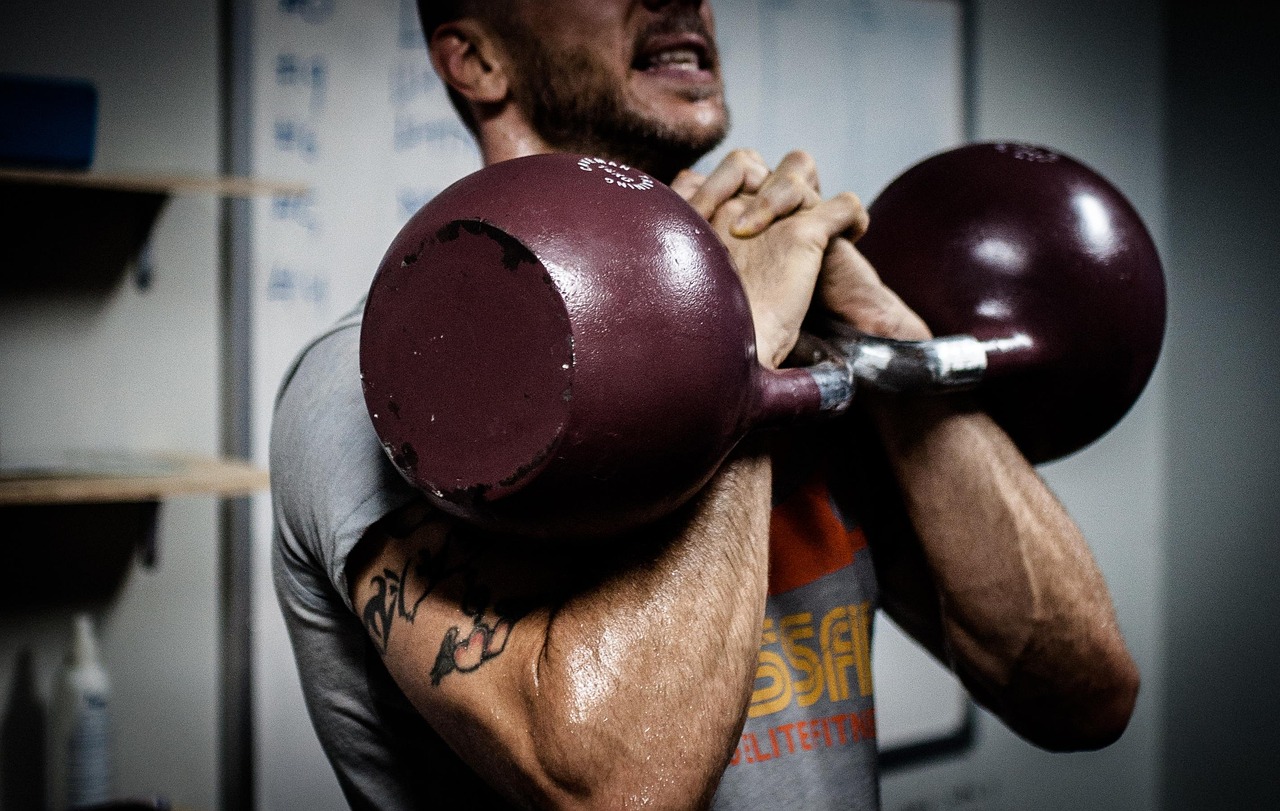

Kettlebell Conditioning for Endurance Athletes
Kettlebell training has gained significant traction in the realm of athletic conditioning, especially for endurance athletes. This form of training optimally blends strength and cardiovascular conditioning, crucial for long-distance performance. Endurance athletes often require a balance between aerobic and anaerobic fitness, and kettlebell movements cater to both. Exercises like swings, snatches, and cleans increase heart rate while simultaneously building lean muscle mass. This hybrid approach not only enhances performance but also mitigates the risk of injuries. Furthermore, kettlebells engage multiple muscle groups simultaneously, promoting functional strength and stability. Athletes benefit from improved grip strength, a key factor in endurance sports. As kettlebell skills improve, so does an athlete’s ability to perform various tasks with efficiency. With a solid kettlebell training regime, athletes can recover faster between strenuous workouts. The adaptability of kettlebell workouts makes them applicable to almost any sport, from cycling to running. The convenience and portability of kettlebells allow for versatile training regimes, enabling athletes to maintain their training anywhere. Lastly, kettlebell training not only improves physical attributes but enhances mental resilience, a vital quality in endurance sports.
Benefits of Kettlebell Training
When exploring the benefits of kettlebell training for endurance athletes, numerous aspects come into play. Firstly, kettlebell workouts promote cardiovascular endurance through dynamic movements that elevate heart rates. These intense, full-body exercises enhance lung capacity, vital for long durations of activity. Athletes experience increased stamina, enabling them to perform at optimal levels over extended periods. Additionally, kettlebell training enhances muscular endurance, allowing athletes to execute repetitive movements without fatigue. The focus on core stability strengthens the midsection, crucial for maintaining proper posture during endurance events. Balance and coordination also improve significantly with regular kettlebell workouts, vital for agility in competitive settings. Moreover, the flexibility of kettlebell routines allows for individualized programming based on specific endurance sports. The variety of exercises keeps training engaging, promoting consistency and adherence. Kettlebells can be incorporated into interval training, maximizing caloric burn while simultaneously boosting performance. Lastly, recovery benefits are notable; kettlebell exercises facilitate blood flow to working muscles, aiding recovery after long sessions. Altogether, kettlebell training stands out as an exceptionally effective method for endurance athletes looking to enhance overall performance and longevity in their sports.
To maximize the benefits of kettlebell training, athletes must understand proper form and technique. Engaging a certified trainer can greatly improve the learning curve associated with kettlebell lifts. Mastery of basic movements such as swings, goblet squats, and overhead presses lays a robust foundation. This foundational knowledge combats the potential for injury, ensuring athletes practice with the right body mechanics. Focusing on the hips, core, and grip during workouts leads to functional movement patterns that translate well to endurance disciplines. Incorporating strength-building exercises will augment overall power output during races. Moreover, kettlebell training utilizes multiple planes of motion, enabling athletes to develop better coordination and agility. Daily practice and integration into existing training schedules create a seamless transition to more advanced movements. Performance can be tracked through careful logging of kettlebell workouts to monitor progress. Ultimately, the objective should be to gradually increase kettlebell weight as proficiency develops. Establishing a specific routine is also vital; incorporating kettlebell training two to three times a week significantly enhances strength and endurance. Overall, adopting kettlebell training within a broader conditioning framework results in remarkable improvements for endurance athletes.
Aside from strength and endurance, kettlebell training fosters mental toughness essential for any endurance athlete. Endurance sports often require pushing through physical discomfort, and kettlebell workouts do just that. The combination of strength training and conditioning creates a challenging environment that tests mental boundaries. Athletes consistently face the need to persevere and succeed through discomfort, ultimately translating this resilience into their respective sports. Incorporating kettlebells into routines adds diversity, preventing mental fatigue stemming from repeated workouts. Athletes learn to embrace discomfort, preparing them for rigorous training sessions and competitions. Mental preparation is just as vital as physical training; kettlebell workouts empower athletes to tackle adversities head-on. Furthermore, establishing specific goals during kettlebell workouts encourages a focused mindset. As endurance athletes complete difficult kettlebell exercises, they cultivate a sense of achievement that carries over into competitive events. The camaraderie formed in group kettlebell training classes also strengthens accountability and motivational factors. Thus, kettlebell training cultivates not only physical capabilities but also the mental resilience necessary for enduring long, arduous competitions. Cultivating both attributes will lead to tangible performance improvements for any endurance athlete across disciplines.
The versatility of kettlebell workouts allows for creative programming tailored to specific endurance sport needs. Endurance athletes can benefit from combining kettlebells with running, cycling, or swimming for a holistic approach. Creating cross-training sessions that incorporate kettlebell exercises alongside traditional endurance training enhances overall productivity. Athletes may choose to perform kettlebell circuits as a warm-up or as part of high-intensity interval training to boost endurance capacities. Including kettlebell swings within a run workout can effectively ramp up heart rate while challenging numerous muscle groups. In cycling, kettlebell squats can be integrated to develop explosive power crucial for sprinting segments. Water sports enthusiasts can utilize kettlebells on dry land for strength development and work on muscle imbalances. This innovative blend encourages muscular balance, preventing overuse injuries commonly associated with repetitive movements. Customizing kettlebell routines alongside endurance training enriches the athlete’s experience, making each training session enjoyable and productive. Overall, this combined approach would lead to a well-rounded athlete capable of excelling through various challenges faced during competitions. Exploring diverse training modalities is key to progressing towards individual fitness objectives.
Nutrition plays a critical role in enhancing the results of any kettlebell training program. A well-balanced meal plan aimed at supporting endurance workouts must encompass sufficient carbohydrates, proteins, and healthy fats. Carbohydrates serve as the primary fuel for endurance activities, while proteins aid muscle recovery and growth. Consuming quality fats ensures optimal energy levels needed for rigorous kettlebell workouts. It’s beneficial for athletes to refuel both before and after kettlebell sessions with nutrient-dense meals. Pre-workout nutrition ensures that athletes are energized and ready to tackle the intensity of the workout. Post-workout nutrition is equally crucial, facilitating recovery and muscle rebuilding while replacing lost nutrients. Hydration should not be overlooked; athletes must maintain proper fluid levels to avoid decreased performance. Electrolyte-enhanced beverages can complement hydration efforts, especially after intense kettlebell circuits. Athletes may also consider including supplements such as BCAAs to help reduce muscle soreness and enhance recovery times. Continuous focus on nutritional intake alongside a kettlebell training regimen will undoubtedly yield improved performance and endurance. Overall, combining effective kettlebell training and nutrition creates the ultimate synergistic effect on athletic performance throughout endurance sports.
Lastly, integrating kettlebell training into a seasonal training plan is key for transitioning between off-season and in-season training schedules. Athletes should use kettlebells for strength maintenance in off-season months to sustain and build muscle mass. Gradually increasing the intensity and volume of kettlebell workouts can help athletes transition smoothly into in-season training routines. This strategy balances the demands of their competitive sport alongside sustaining physical strength. Adapting kettlebell workouts by modifying weight or volume allows athletes to accommodate the variations in training intensity throughout the season. For in-season training, kettlebells can maintain functional strength while preserving endurance capabilities. Working on explosive kettlebell movements during this phase directly enhances race performance by issuing the same explosive strength needed for fast finishes. Lastly, athletes should listen to their bodies, making adjustments as necessary to prevent overtraining. Seek coaching or guidance during seasonal transitions to optimize kettlebell programming. With diligence and care, kettlebell training can support endurance athletes in meeting their competitive goals successfully when integrated seamlessly into their training routines. Consequently, athletes can enjoy ample performance gains and prevent burnout throughout a demanding season.
In summary, kettlebell conditioning provides myriad benefits tailored specifically for endurance athletes looking to advance their skills. The dynamic training offers a fine balance of strength and cardiovascular resistance, essential for improved performance. Kettlebell exercises contribute to muscular endurance, core stability, and functional strength, all necessary attributes for long-distance competitions. Adding kettlebell training to existing programs can foster mental toughness along with improved efficiency in movement patterns. Ultimately, this training approach enhances athletic performance while mitigating injury risks, ensuring longevity in sports. The positive effects on recovery and reinforcement of muscular coordination leave a lasting impact on overall athleticism. Athletes experiencing the versatility of kettlebell workouts can effortlessly combine them with various endurance activities. This enriching training strategy fosters a holistic training approach, maximizing output and enjoyment during workouts. Comprehensive nutrition and hydration strategies complement kettlebell conditioning, leading to impressive performance results. Lastly, by integrating kettlebell training within seasonal plans, athletes maintain optimized performance during all phases of their sports. Those looking to improve their endurance performance should undoubtedly consider incorporating kettlebell training into their routine, as it presents a well-rounded opportunity for personal growth and competitive success.