
Group Interval Training Sessions: Benefits and Best Practices
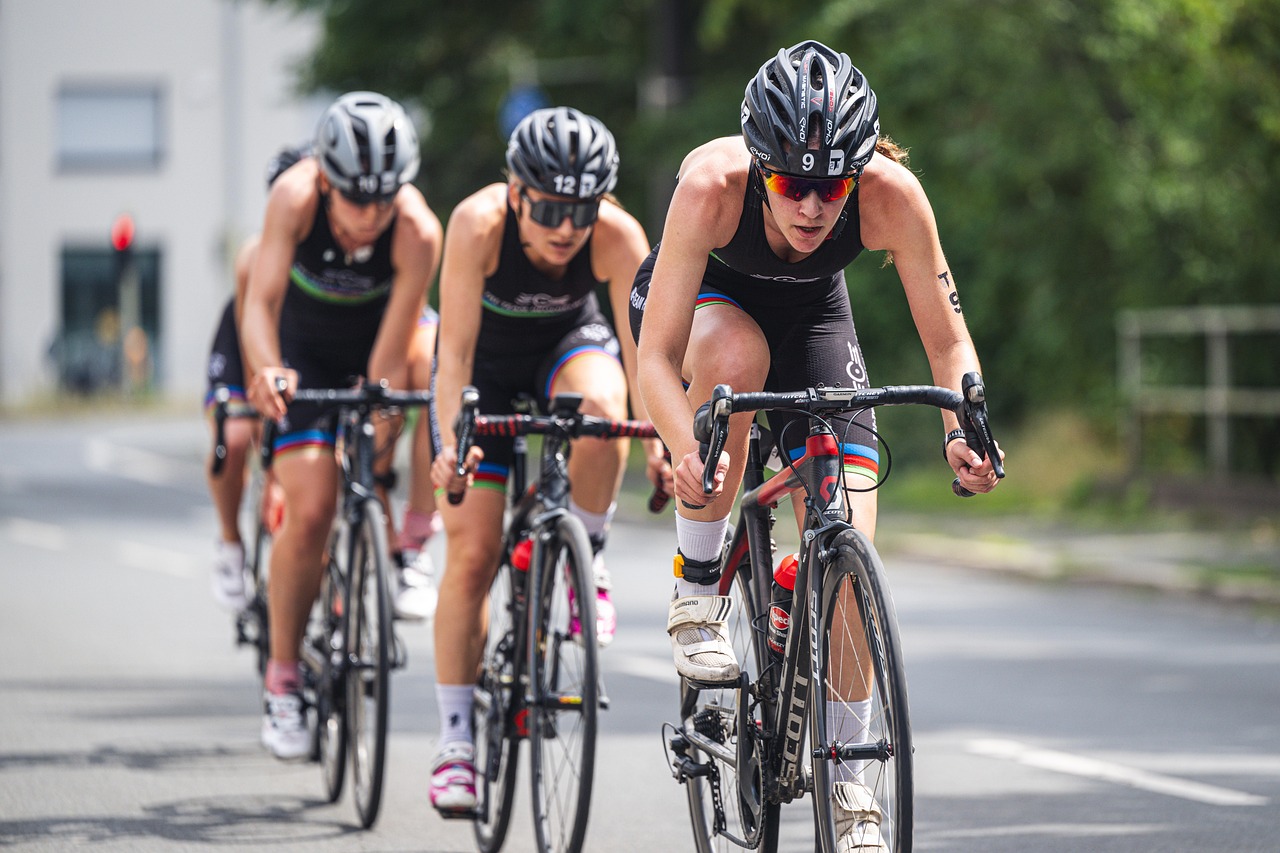
Group interval training sessions offer a unique blend of motivation and structure for cyclists looking to enhance their performance. Engaging in these sessions provides participants with an opportunity to train together, pushing each other towards their limits. The social aspect creates an environment that fosters accountability, encouraging attendees to show up and perform as part of a team. Another benefit of group sessions is the expert guidance available, as many are led by experienced trainers who ensure correct technique and intensity levels. These experts can customize intervals to target specific fitness goals, whether it’s improving speed, endurance, or recovery time. Additionally, the camaraderie built during sessions promotes long-term commitment to cycling, helping participants stick with their training regimens. Sharing experiences, tips, and encouragement helps cyclists stay focused on their objectives. The competitive edge that naturally arises in group settings often leads to improved outputs and personal records. Cyclists can expect to see tangible results from this focused effort, not only in their performance but also in their enjoyment of training. Ultimately, group interval training is both effective and enriching, meeting various training needs.
Interval training for cyclists involves alternating between high-intensity bursts and lower-intensity recovery periods. This method is particularly beneficial as it enhances both aerobic and anaerobic capacities. By adopting structured interval training practices within a group setting, cyclists can delve into different training intensities that mimic competitive racing environments. Taking part in these sessions allows cyclists to learn how to pace themselves effectively, especially when reaching maximum effort. Structured intervals can include varied times, such as 30 seconds of sprinting followed by a minute of recovery. The combination challenges the body, leading to better cardiovascular efficiency and muscular endurance over time. Moreover, cyclists often find themselves pushing harder when competing against their peers, which can result in improved personal bests. Group dynamics play a crucial role in maintaining motivation, as camaraderie encourages individuals to exert more effort than they might alone. These shared experiences can cultivate a strong community amongst cyclists, fostering friendships that extend beyond training sessions. The collective focus ensures that everyone is working towards defined goals, benefiting both skill development and mental toughness. Cycling with a group can push everyone out of their comfort zones, ultimately elevating all participants.
Structural Organization in Sessions
Effective structure is vital when organizing group interval training sessions for cyclists. Ideally, a session should begin with a thorough warm-up to prepare the body for high-intensity efforts, typically lasting between 10 to 20 minutes. This warm-up period allows cyclists to activate their muscles and gradually elevate heart rates, essential for injury prevention and performance optimization. Once warmed up, breaks between intervals will typically be shorter than the work intervals to elicit maximum cardiovascular response. Each work interval might vary in length, targeting different energy systems. Commonly, cyclists train at their aerobic threshold, enjoying short rest periods in between for recovery. Properly cycling these intervals can prevent fatigue from building up too quickly, allowing for better performance in each bout of intensity. The coach leading the session should remain visible and provide constant feedback, adjusting intervals or encouraging cyclists when appropriate. This guidance helps participants maintain focus and guarantees proper execution of the intervals. Moreover, using cycling technology, like heart rate monitors or power meters, can ensure that cyclists train in their desired intensity zones. This data-driven approach enhances effectiveness, optimizing group dynamics and time spent during each session.
Rest intervals are just as important as the work intervals in a structured training program. These periods provide the necessary recovery for cyclists to recharge before going into the next high-intensity phase. Cyclists often underestimate the value of adequate recovery, believing that continuous cycling is the key to improvements. However, incorporating well-timed breaks can enhance overall performance by allowing the body to adapt to the stresses of training. Shorter recovery periods can help maintain a higher heart rate while longer rest periods allow for sufficient recovery, helping prevent fatigue from settling in during the work intervals. It’s also crucial for trainers to communicate the importance of listening to one’s body and adjusting the intensity and duration of intervals accordingly. If one feels overly fatigued, extending rest periods can be beneficial. Variability in recovery strategies, like active rest where cyclists pedal slowly during breaks, can also keep cyclists engaged and ready for what’s to come. By prioritizing both work and recovery, participants will experience continued improvement, balancing effort with necessary downtime. This holistic approach will ultimately produce a stronger, more resilient cycling collective.
Incorporating Different Cycling Focuses
One of the key benefits of group interval training is the ability to diversify cycling focuses during sessions. Cyclists can target specific skills such as sprinting, climbing, or steady-state endurance. This variety keeps the sessions exciting and helps cyclists develop a well-rounded skill set. For example, a session might include explosive sprints to improve top-end speed interspersed with longer intervals focused on sustaining a hard effort over time. Alternate focuses also ensure that cyclists engage different muscle groups, thus promoting comprehensive physical development. Coaches can design sessions that rotate emphasis every few weeks, helping cyclists track their progress as they tackle different physical challenges. This also aids in keeping motivation high; variety prevents monotony from setting in which often leads to dropout. In addition to physical benefits, targeting different focuses encourages mental resiliency. Cyclists learn to adapt their strategies based on the session’s goals, improving decision-making skills in key racing moments. Thus, group interval sessions collectively enhance both fitness and critical thinking, helping athletes succeed in competitive situations on the road. With a diverse range of focuses, group sessions become essential for any serious cyclist.
Safety is another critical aspect to consider when organizing group interval training for cyclists. It’s imperative to ensure proper bike handling skills and situational awareness among all participants. Cyclists should be instructed on how to maintain safe distances between one another, especially during high-speed work intervals. Clear guidelines regarding communication, like using hand signals or verbal cues, are essential for maintaining group cohesion on the road. This is especially true when transitioning between intervals, as sudden movements can lead to accidents. Trainers should lead by example, demonstrating safe cycling practices throughout each session. Regular checks to confirm that bikes are in good repair prior to sessions can also mitigate mechanical issues that can cause accidents. Each participant should be encouraged to wear appropriate gear, including helmets, and to carry essentials like ID and emergency contact information. Safety must be prioritized to ensure that everyone can train effectively without the added risk of injury. By focusing on safety protocols, trainers can help promote a culture of responsibility among cyclists, further enhancing the overall training environment. Ultimately, this focus enhances both the training effectiveness and enjoyment.
Evaluating Progress in Group Sessions
Tracking progress in group interval training sessions is vital for both motivation and improvement. Installments of performance assessments help cyclists understand their advancement over time. Simple metrics include time trials, distance covered, and personal feedback from trainers. Comparing personal bests in work intervals can motivate cyclists to push harder and surpass their previous benchmarks. Implementing a consistent tracking method—like keeping a training journal or using performance apps—adds structure to this evaluation process. Furthermore, evaluations can be carried out periodically, allowing individuals to see their results throughout their training cycles. With the data collected, participants can see the collective effort and determination reflected in their performance. Feedback sessions offer the chance for cyclists to receive constructive criticism, further enhancing focus on specific skills or areas that need work. Individualized goals can also be established based on these discussions. Open lines of communication ensure that everyone feels supported throughout their training journeys. As cyclists witness tangible improvements, this further strengthens commitment to group training while boosting self-efficacy. Monitoring progress fundamentally contributes to ongoing aspiration, cultivating an environment ripe for growth.
In conclusion, group interval training sessions serve as a powerful tool in enhancing cyclists’ performance through structured, varied, and supportive training experiences. The benefits are multifaceted, ranging from improved physical fitness to cultivated social bonds that promote long-term involvement in the sport. The combination of expert guidance, varied focus areas, and the inherent motivation found in group settings creates a unique atmosphere in which cyclists thrive. With proper structuring, participants can push themselves harder while also ensuring safety, benefiting from the collective struggle and triumph. As cyclists increasingly integrate these group practices, they will find themselves setting personal records and achieving new fitness goals. Beyond sheer physical gains, the relationships built during these sessions foster a sense of community integral to the cycling lifestyle. Future riders will find that engaging in group interval training not only enhances cycling performance but enriches the overall experience of being part of the wider cycling community. Therefore, investing time and effort into these group sessions is a win-win for cyclists wanting to improve health, enjoy fellowship, and achieve new heights in their cycling journey.