
Mastering the Basics of Vertical Skateboarding: A Beginner’s Guide
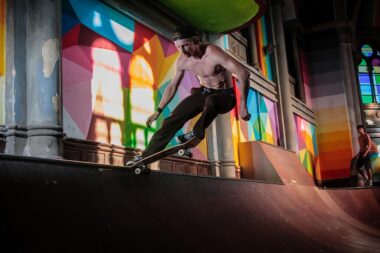
Vertical skateboarding allows skaters to experience thrills that blend acrobatics with technique. Starting your journey into vertical skateboarding requires understanding your equipment, setting up your skateboard, and building the foundational skills needed for success. It’s crucial that beginners invest time in learning how to balance and control their movements on ramps. Basic equipment includes a good quality skateboard, protective gear, and comfortable clothing. Pay attention to your safety gear, including helmets, knee pads, and elbow pads to prevent injuries. Learning to ride on flat ground before attempting any ramps is a wise decision. Properly adjusting trucks and wheels can greatly impact performance and ease of movement. Your feet should position themselves in an optimal way to execute tricks and turns effectively. With time and perseverance, you will find yourself gaining confidence on the vertical ramps. Stick to practicing regularly and gradually increasing the difficulty of your tasks. Experimenting with small jumps and turns will hone your skills and improve your control over your skateboard. Before you know it, you’ll be smoothly transitioning between different heights and techniques on the ramp.
Understanding Your Equipment
Your skateboard is a special tool in the world of vertical skateboarding. Understanding how each component works will greatly enhance your skills. A skateboard typically consists of a deck, trucks, wheels, and grip tape. The deck is where you stand and execute tricks, so choose one that feels comfortable and suits your style. Trucks are essential as they connect the wheels to the deck and allow for turning. Customize the width of the trucks according to your deck size for balanced maneuverability. Wheels vary in hardness and size, affecting speed and grip. Softer wheels provide better grip but can slow you down, while harder wheels allow for speed on smoother surfaces. Grip tape, applied to the deck, ensures you don’t slip as you ride. Depending on your preference, thickness and texture of grip tape should match your riding style. For vertical skateboarding, larger trucks and tougher wheels are often ideal. Once you fully understand your board and how to adjust features to fit your needs, you’ll be much more equipped to begin practicing on ramps, thus paving the way for creative tricks ahead.
Before stepping onto a vertical ramp, it’s essential to develop core skills that will prepare you for challenges ahead. These include proper stance, balance, and steering. Your stance can either be regular or goofy, depending on which foot you prefer to lead. A regular stance means your left foot is forward, while a goofy stance means your right foot leads. Find what feels natural to you, and practice riding while keeping your knees slightly bent and body relaxed. Balance is essential in vertical skateboarding; shifting your weight correctly helps in executing both tricks and smooth rides. Start practicing on a flat surface or slight incline to gain comfort in balancing your body while moving. Learning to carve, or turn while maintaining speed, is another vital skill. Initiate a carve by leaning into your turns. Slow, gradual turns build confidence before tackling the vertical section of ramps. When you feel ready, practice riding on a smaller ramp to simulate vertical conditions. Staying relaxed while riding will help reduce the chance of falls, as developing muscle memory becomes intuitive through consistent practice.
Performing Basic Tricks
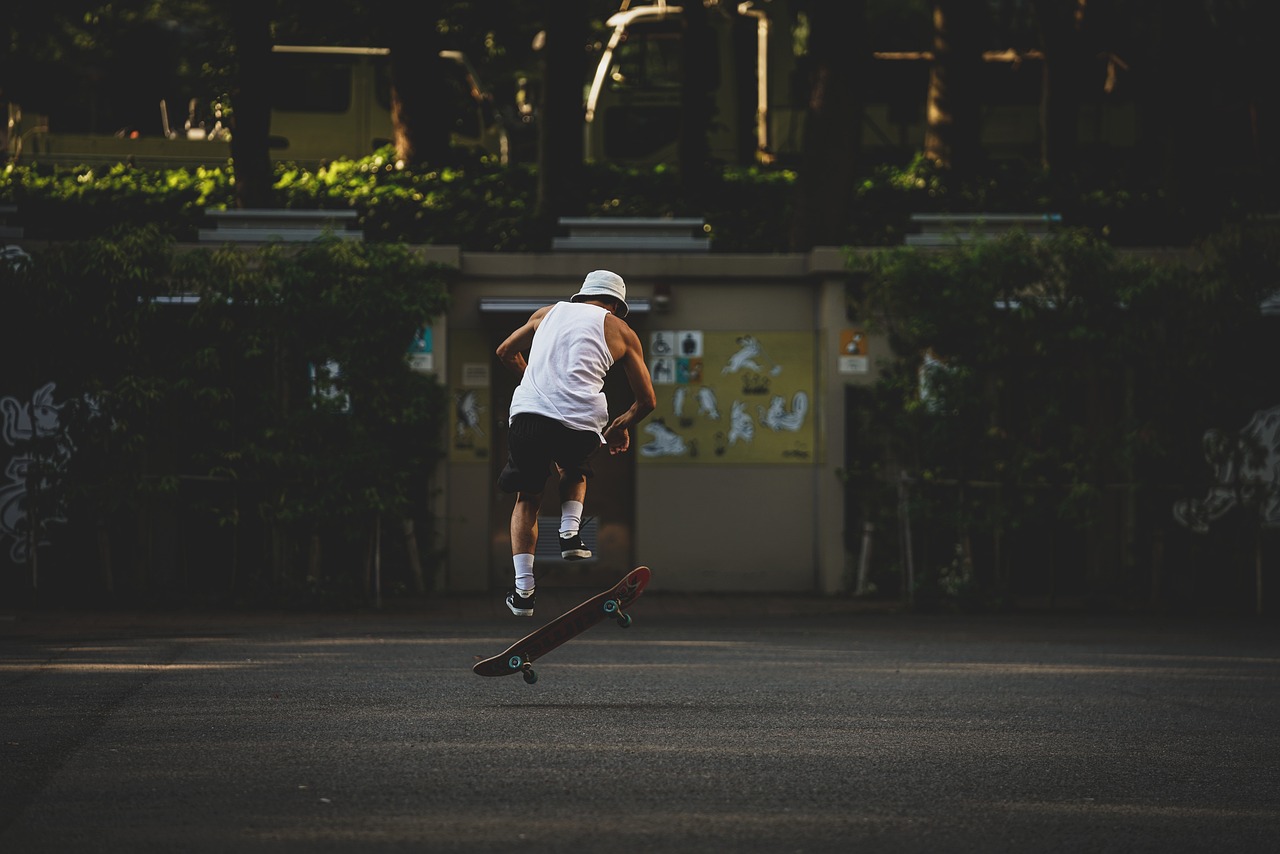
Once you’ve mastered balance and control, it’s time to dive into basic tricks that define vertical skateboarding. The ollie, for instance, is vital for jumping and taking off to conquer ramps. To execute an ollie, crouch down, push down on the tail with your back foot, and swiftly drag your front foot upwards. This action allows you to lift both your board and body into the air. Following the ollie, the kickflip is another iconic trick to learn; it requires flicking your ankle while your board rises, causing it to spin. Practice these tricks on flat ground before attempting them on a ramp. As you grow in confidence, begin practicing them on small ramps and quarters. Other fundamental tricks include the grab, which involves reaching down to hold your board while airborne and the rock to fakie, moving from a vertical position back to the ramp after a brief pause. Incorporate these tricks into your routine, allowing them to enhance your vertical skateboarding experience. Practicing tricks consistently will improve not just your skill level but also your personal enjoyment while skating.
As you progress in vertical skateboarding, safety should always remain a priority. Injuries are common in this sport, especially for beginners, hence understanding proper fall techniques can minimize injuries. Instead of trying to break a fall with your hands, try to roll into the fall by turning your body sideways. Practicing this technique can help with overall body control, making your skating much safer. Wearing proper protective gear, as mentioned earlier, is crucial at every skill level. Inline skating often lends itself to similar injuries; thus, maintaining high safety standards is important for all. Schedule regular check-ups to evaluate your gear’s condition; replacing worn-out pads or protective helmets ensures maximum safety while skating. Moreover, practicing with a buddy can enhance safety, allowing you to help each other when things go wrong. Encourage friends or fellow skaters to join you in honing your skills at the rink or park. Scouting out supervised environments that promote safety can provide reassurance while cutting through any intimidation a new skater may face during practice sessions. Making safety a priority guarantees a long and rewarding journey in vertical skateboarding.
Building a Community
Joining a skateboarding community can open up many opportunities for learning and growth. Whether through local skate parks, online forums, or social media groups, connecting with fellow skaters can enhance your skills and knowledge. Participate in group sessions where skaters of various skill levels can share tips, tricks, and techniques. Building relationships with experienced skaters can greatly influence your progression. They are often willing to offer advice or give insight into practicing more efficiently. Additionally, attending skateboarding events enhances your exposure to different styles and techniques. Competitions showcase talented skaters, inspiring new ideas and approaches to try. Many communities also organize workshops that specialize in teaching specific skills or tricks. More than providing lessons, communities help foster camaraderie, creating a supportive environment. Sharing your experiences in these spaces can lead to helpful feedback. Online presence allows skaters to showcase their progress, generating encouragement and making new friendships in the skateboarding world. Engaging in contests or local events can also lead to expanded networks and inspire levels of motivation that may not occur solo. Building relationships is fundamental for developing as both a skater and an individual.
Finally, never underestimate the importance of mental preparation in mastering vertical skateboarding. The mindset you adopt can greatly influence your performance. Staying positive during practice is essential; frustrating moments are inevitable but maintaining a good attitude will help you through them. Visualization techniques can enhance your mental readiness for challenges on the ramp. Picture executing a trick successfully in your mind before attempting it. This mental rehearsal can help solidify your confidence. Setting realistic goals is also crucial; small, achievable targets encourage growth incrementally. Celebrate every success, no matter how minor, as building confidence goes hand-in-hand with patience and practice. Understand that mistakes are an essential component of improvement, and every successful skater has faced challenges. Regularay reflection on your progress aids in developing the growth mindset needed to thrive. Additionally, incorporating meditation or mindfulness into your routine can help with focus, allowing you to clear your head before skating. Striking a balance between challenge and passion ensures you’ll enjoy every part of your vertical skateboarding journey.
In conclusion, mastering the basics of vertical skateboarding requires dedication, safety, and community support. Learning how to navigate ramps, perform tricks, and prioritize safety measures leads to a rewarding skateboarding experience. Start by investing time in getting familiar with your skateboard and understanding each component’s nuances. Gradually build your skills on flat surfaces before challenging yourself with ramps. As you practice basic tricks, keep your body safe and connect yourself to the skateboarding community for support and networking. Remember to maintain a positive mindset; every step taken, whether big or small, is one closer to achieving your goals. Consider documenting your progress, as seeing how far you’ve come can motivate you. Always challenge yourself by setting new targets but remember the importance of patience along the way. The journey of vertical skateboarding is as exciting as the tricks themselves, so enjoy every moment spent in the sport. With increased focus and commitment, you’ll undoubtedly improve not only as a skater but also in enjoying the rollercoaster of a sporting journey that vertical skateboarding can be.