Parkinson’s Disease: Early Interventions with Coordination Exercises
Parkinson’s disease (PD) is a progressive neurological disorder that affects movement, causing symptoms such as tremors, stiffness, and balance issues. Early intervention strategies can significantly improve the quality of life for individuals with PD. One essential approach is balance training, which involves a series of exercises aimed at enhancing stability and coordination.
Balance training focuses on specific skills, such as maintaining center of gravity, which is crucial for individuals with PD. Engaging in these exercises helps to strengthen the muscles necessary for better balance. Additionally, incorporating coordination exercises can lead to improved motor function, enabling greater autonomy in daily activities. Therefore, these interventions are not only therapeutic but also promote independence.
One effective balance training method for PD patients includes using stability and balance boards. These boards challenge individuals to maintain their center of gravity while performing different movements. This form of dynamic balance training encourages engagement of the core muscles, which aids overall stability. It’s beneficial not only for physical health but also for mental well-being.
Another effective approach involves Tai Chi, a martial art known for its slow, deliberate movements that enhance balance and coordination. Research suggests that Tai Chi improves both balance and mobility in individuals with PD. Practicing this activity regularly can result in notable improvements in postural stability and reduce the risk of falls, which is essential for safety.
In addition to Tai Chi, balance balls and stability exercises are excellent choices for improving coordination. These activities involve balancing on an unstable surface, which challenges the body’s equilibrium. Patients often find these exercises enjoyable, leading to greater adherence to exercise programs. Regular practice yields significant long-term benefits that are crucial for managing PD symptoms.
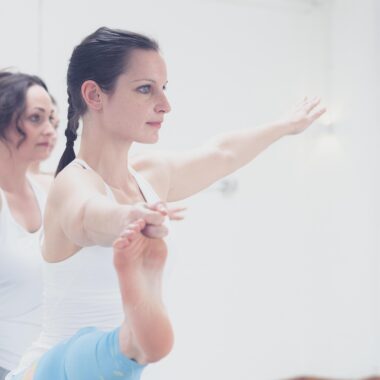
Group exercises also foster a supportive environment for individuals with PD. Training in a group setting not only provides motivation but also encourages social interaction. This aspect reduces feelings of isolation commonly experienced by people diagnosed with Parkinson’s disease. Therefore, group classes or sessions can enhance both mental and physical health simultaneously.
Establishing a routine that includes regular balance and coordination exercises is vital. Patients can benefit from individualized exercise plans tailored to their specific abilities and limitations. Consulting with healthcare professionals ensures that the exercises are safe and appropriate to begin with, maximizing effectiveness and decreasing the likelihood of injury.
Finally, the integration of technology into balance training can offer additional support and feedback. Devices like wearable sensors can monitor movement and provide real-time data, letting practitioners adjust exercises accordingly. This innovative approach could eventually transform the way Parkinson’s disease is managed, making coordination exercises an integral component for improving patient outcomes.