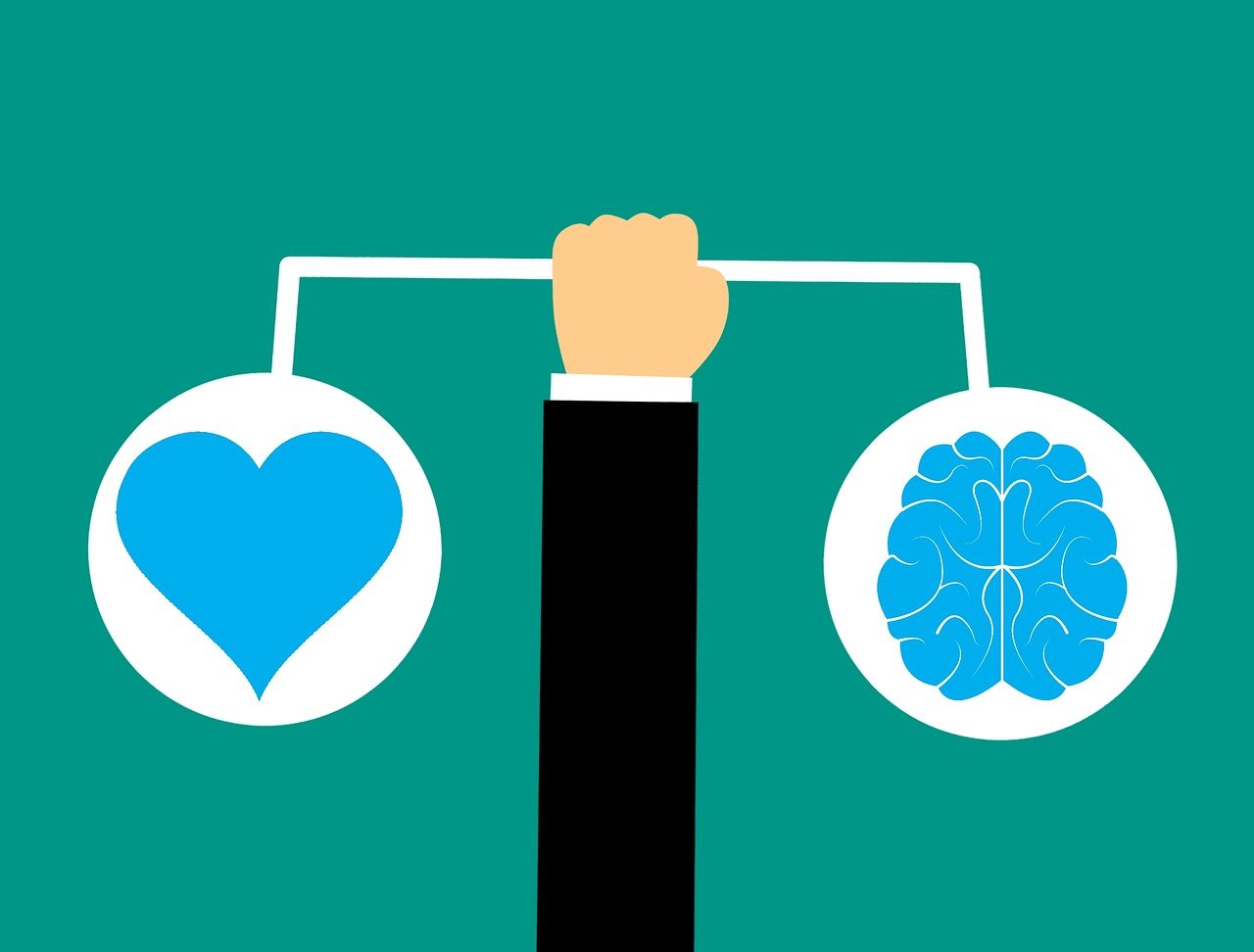

The Connection Between Mindfulness and Emotional Intelligence
Understanding the link between mindfulness and emotional intelligence is crucial for personal growth. Emotional intelligence involves recognizing, understanding, and managing our own emotions, alongside the ability to empathize with others. Mindfulness cultivates present-moment awareness, which enhances our emotional awareness. Practicing mindfulness allows individuals to observe their thoughts and feelings non-judgmentally. This observation helps in developing better emotional regulation. When faced with emotional upheavals, a mindful approach can provide a space to respond thoughtfully rather than react impulsively. Individuals learn to identify emotional triggers, allowing for greater emotional control. Furthermore, mindfulness encourages listening to others fully, fostering empathy. This is an essential component of social interactions. Emotional intelligence improves through enhanced empathy, as individuals become attuned to the emotional landscapes of those around them. Consequently, increased empathy leads to stronger relationships and improved communication skills. Mindfulness not only aids self-awareness but also opens pathways for compassion towards others. This creates a supportive environment in social settings, where emotional exchange is valued. In essence, integrating mindfulness in daily life promotes emotional intelligence and contributes to healthier personal and professional relationships.
Emotional intelligence encompasses skills that can significantly impact our interpersonal relationships. Mindfulness practices, such as meditation, enhance these skills by centering our attention and cultivating self-awareness. By regularly engaging in mindfulness exercises, individuals can become more aware of their emotional reactions. A deeper self-awareness leads to better emotional decisions. This aspect is particularly beneficial in stressful situations. People trained in mindfulness are better equipped to navigate challenges with composure. They can express emotions in a measured way, fostering respect and understanding in conversations. This aspect is essential in personal and professional spheres, where effective communication is key. Moreover, mindfulness practice enables individuals to pause before responding emotionally. This pause allows room for considering the implications of their reactions. It also encourages compassion. Empathy becomes more natural because individuals become attuned to their own experiences. When we inhale and exhale with intention, we often begin to recognize similar feelings in others. This recognition builds a foundation for connection, breeding emotional intelligence. In conclusion, through consistent mindfulness practice, emotional intelligence develops, enriching how we engage with ourselves and those around us, ultimately leading to fulfilling relationships.
Another remarkable aspect of mindfulness is its ability to improve resilience, an important trait linked to emotional intelligence. Resilience refers to the capacity to recover from setbacks, adapt well to change, and keep going in the face of adversity. Mindfulness teaches individuals to anchor themselves during turbulent moments. Regular practice can result in a clearer mind and a balanced emotional state. When we approach challenges with mindfulness, we become less reactive, enabling us to handle difficulties more effectively. This emotional steadiness allows for creative problem-solving, an important component of emotional intelligence. Furthermore, resilience built through mindfulness helps individuals to maintain perspective. They are more likely to view challenges as opportunities for growth. Mindfulness cultivates a positive mindset, encouraging individuals to maintain a hopeful outlook even during tough times. Developing such a mindset also plays a crucial role in how we connect with others. When we find strength within ourselves, we can offer support to those around us. This brings a profound sense of belonging, enhancing collective emotional intelligence. In short, fostering resilience through mindfulness leads to stronger emotional intelligence and builds collaborative community relationships that endure.
Mindfulness as a Tool for Conflict Resolution
Mindfulness can serve as an effective tool for conflict resolution, a vital area of emotional intelligence. When conflicts arise, emotions often run high, leading to misunderstandings and escalations. Here, mindfulness allows individuals to step back and regain composure. By taking a moment to breathe and reflect, one can approach the situation with clarity. This mindful approach fosters better decision-making. Instead of acting on impulse, individuals can evaluate the underlying emotions involved. This aspect can pave the way for finding common ground and mutual understanding. By doing so, solutions can emerge that satisfy both parties. Moreover, practicing mindfulness enhances active listening, a key component in resolving disputes. When individuals are present and fully engaged in conversations, they are more likely to grasp differing perspectives. This comprehension diminishes defensiveness, facilitating open dialogue. Engaging in mindfulness also promotes non-judgmental thoughts. It helps break down barriers that can prevent successful resolution. Thus, by integrating mindfulness principles into daily life, people can become more adept at managing conflicts. They cultivate emotional intelligence that not only benefits themselves but also enriches their relationships with others, leading to greater social harmony.
The benefits of mindfulness extend beyond personal practices to organizational environments. Emotional intelligence is vital for team dynamics, and mindfulness can enhance this aspect significantly. In workplaces, mindfulness cultivates teams that communicate effectively, resolve conflicts amicably, and collaborate seamlessly. Healthy emotional management within teams nurtures a positive atmosphere. When team members practice mindfulness, they become more adept at recognizing their emotions contributing to overall team success. Mindful individuals contribute to workplace well-being by fostering supportive relationships. This environment encourages open feedback, leading to continual improvement. Leadership play a pivotal role in this transformation, modeling mindful practices for their teams. Training programs that incorporate mindfulness techniques can lead to a significant increase in emotional intelligence among employees. As teams become more emotionally intelligent, they can navigate workplace challenges with grace. Enhanced collaboration not only improves productivity but also job satisfaction. Furthermore, organizations benefit from adopting mindfulness as a core strategy. Improved emotional intelligence leads to lower turnover rates and heightened morale. The integration of mindfulness within organizations thus results in a win-win scenario, creating work environments that encourage growth, understanding, and collective success.
In the realm of personal development, the relationship between mindfulness and emotional intelligence plays a crucial role. Mindfulness acts as a catalyst for self-improvement, enhancing individuals’ abilities to understand and manage emotions effectively. Many people can benefit from engaging in daily mindfulness practices as it promotes a healthy mental space. Individuals can grow emotionally and improve their interpersonal skills by establishing a regular routine focused on mindfulness. This intimate connection leads to enhanced self-regulation, where emotions are not suppressive but constructive. By identifying emotional patterns, individuals can work towards improving their well-being. Additionally, mindfulness helps create a non-evaluative space for thoughts and feelings. This environment encourages exploration and learning from emotional experiences. As emotional intelligence develops through mindful practices, individuals cultivate better relationships with themselves and others. They learn to celebrate achievements, embrace vulnerabilities, and grow from mistakes. This fosters a compassionate perspective on personal growth. Thus, individuals ultimately emerge with a more profound understanding of their emotional landscape. Practicing mindfulness is instrumental in the journey toward emotional intelligence and personal transformation, leading to greater self-acceptance and richer connections with others.
Conclusion: Embracing Mindfulness for Emotional Growth
In conclusion, the connection between mindfulness and emotional intelligence fosters profound personal transformation. Practicing mindfulness not only enhances our understanding of our own emotions but also enriches our interactions with others. Emotional intelligence, which encompasses empathy, social skills, and emotional regulation, thrives in environments where mindfulness is actively embraced. As we navigate through life’s complexities, embracing mindfulness becomes particularly beneficial. It nurtures our emotional growth, resilience, and interpersonal effectiveness. Engaging in mindful practices allows us to approach challenges with a fresh perspective. This approach encourages patience, understanding, and tolerance toward ourselves and others. By integrating mindfulness into daily routines, we can significantly enhance our emotional capabilities. This ultimately leads to fulfilling relationships and a more harmonious existence. Mindfulness acts as a bridge connecting self-awareness with deep emotional understanding. It emphasizes compassion not just for ourselves but also extends to our interactions with the world. As individuals cultivate both mindfulness and emotional intelligence, they contribute to a more empathetic society. Therefore, embracing mindfulness is essential for anyone looking to improve emotional intelligence and foster personal and social flourishing.
To effectively harness the benefits of mindfulness for emotional intelligence, consider integrating specific practices into daily life. Simple techniques can lead to profound changes. Start with mindful breathing exercises, focusing intently on inhale and exhale cycles. This practice grounds you and enhances emotional clarity over time. Engage in regular reflection on your emotional responses, asking yourself how mindfulness informs your reactions. Journaling can serve as a useful tool; it encourages introspection and tracks your emotional evolution. Participate in group mindfulness sessions to foster social connections and empathy among peers. Other essential components include compassion meditation, which allows individuals to develop kindness towards themselves and others. Seek educational resources on mindfulness and emotional intelligence to deepen your understanding. Books, workshops, and online courses are excellent methods to further your knowledge. As you learn, share your insights with others to create a supportive community. Emphasizing practice, reflection, and communication will solidify personal growth in emotional intelligence. By engaging in these techniques daily, you can cultivate a balanced emotional landscape, enhancing overall mental health. Spirituality and emotional intelligence will flourish together as you embark on this enriching journey.