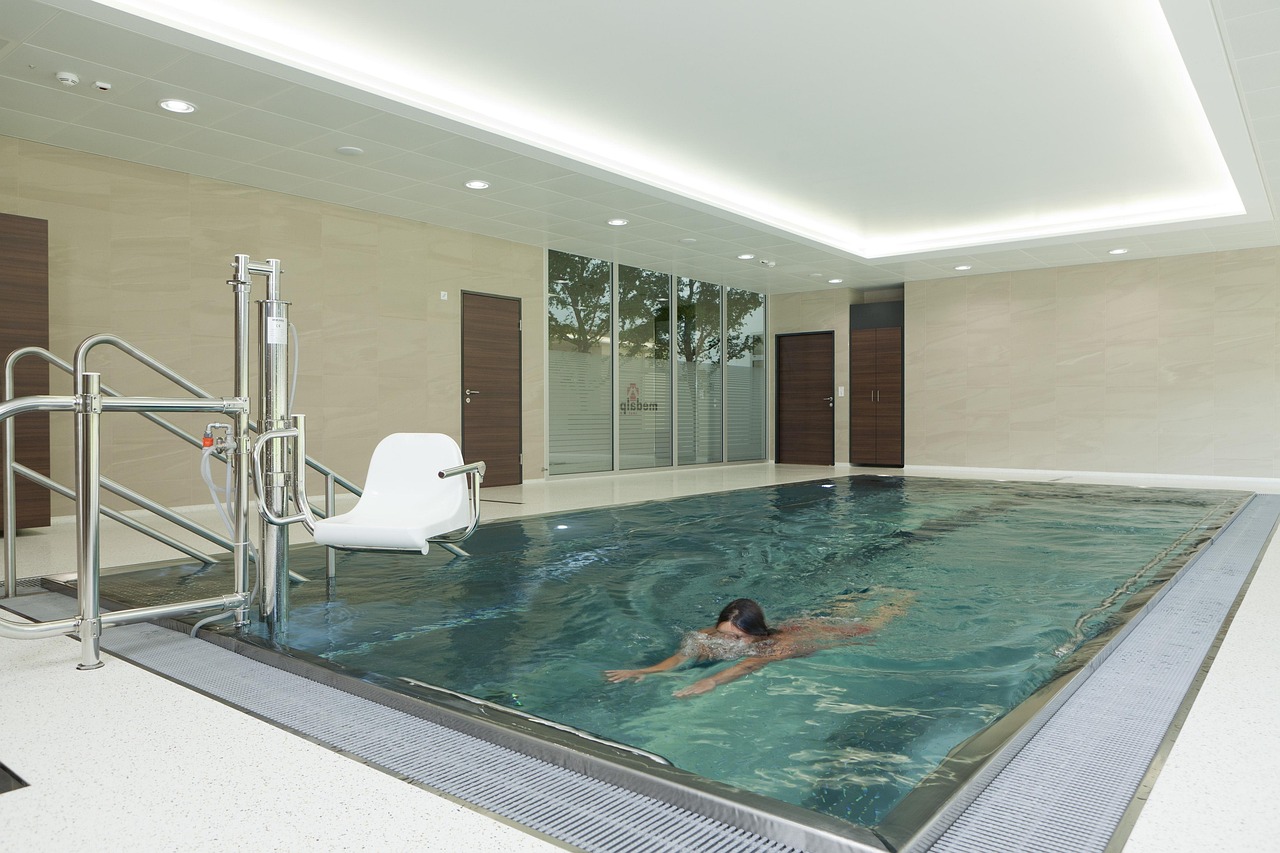

Swimming as Rehabilitation for Chronic Pain Management
Chronic pain affects millions of people worldwide, demanding effective management strategies. Among various therapeutic approaches, swimming stands out as a beneficial method. This gentle, low-impact exercise allows individuals to engage in physical activity without placing excessive strain on their bodies. Water supports the body, reducing stress on joints and muscles, making it a particularly favorable environment for rehabilitation. Additionally, swimming enhances circulation, promoting healing and flexibility. Individuals suffering from chronic pain often experience reduced mobility, which can lead to physical inactivity and worsening symptoms. By incorporating swimming into their rehabilitation program, they can improve strength and stamina while enjoying the buoyancy of the water. Furthermore, swimming can provide significant mental health benefits by reducing anxiety and depression commonly associated with chronic pain. Combined with professional guidance, swimming can offer a holistic approach to pain management. As such, many physical therapy programs now include aquatic therapy as a core component, with specialized instructors leading sessions tailored to varying needs. Those interested may seek local swimming facilities that offer therapeutic classes or connect with certified aquatic therapists for guidance. Overall, swimming presents a versatile option for individuals dealing with chronic pain.
Benefits of Swimming for Pain Relief
Swimming is not only fun but also highly beneficial for individuals managing chronic pain symptoms. One of the significant advantages of swimming is the buoyancy that water provides, which alleviates pressure on joints. The weightlessness experienced in water allows for a full range of motion, enabling effective exercise with minimal discomfort. This unique property of water aids in muscle relaxation, allowing individuals to perform movements they may struggle with on land. Moreover, swimming involves utilizing major muscle groups without forcing the body into unnatural positions. By engaging in regular swimming sessions, participants can experience increased muscle strength and improved overall fitness levels. This enhanced strength translates into better daily functioning and potentially less reliance on pain medications. Beyond physical benefits, swimming also fosters social interaction, a pivotal factor in emotional well-being. Many individuals experience loneliness during their recovery phases, and joining swimming classes can lead to forging connections with others in similar situations. Therefore, the dual benefits of physical exercise and social engagement make swimming an effective rehabilitation method for chronic pain management, paving the way for a healthier and more fulfilling life.
Aquatic therapy, often conducted in heated pools, enhances the benefits of swimming for rehabilitation purposes. The warm water helps to soothe muscle tension and pain, assisting individuals in relaxing comfortably while exercising. Hydrodynamic resistance provides an effective workout without the harsh impact associated with traditional sports. This characteristic is particularly beneficial for patients with conditions such as arthritis or fibromyalgia, where joint pain limits exercise choices. As individuals transition into the water, they often report feeling restricted by their chronic pain less than usual. This adaptation opens opportunities for an effective rehabilitation routine. Water-based exercises promote cardiovascular health, increase stamina, and improve strength, which can offer long-term relief from chronic pain symptoms. Furthermore, aquatic therapy can be tailored to accommodate varying ability levels, ensuring that everyone can participate safely. Therapists can design personalized programs that cater to individual goals, helping patients build confidence in their abilities. In addition, swimming encourages mindfulness, providing a tranquil environment where individuals can focus on their breathing and movements, helping reduce stress. For those exploring options for pain management, aquatic therapy embodies a comprehensive approach to achieving both physical and mental health improvements.
The role of mental health in chronic pain management cannot be overstated, and swimming provides beneficial support in this area. Engaging in regular physical activity has been linked with reduced anxiety and improved mood, crucial elements for those struggling with chronic pain. Swimming can serve as an escape from daily stressors, allowing individuals to concentrate on themselves in a soothing environment. The rhythmic movements and calming water experiences evoke tranquility, contributing to reduced levels of stress hormones. Over time, this can result in better pain management outcomes. Furthermore, the enjoyable aspect of swimming may encourage individuals to stick with their rehabilitation programs, fostering consistency which is vital for long-term results. Participants are more likely to maintain a routine when they enjoy the exercise they engage in. It can also bolster confidence as swimmers note improvements, offering a sense of accomplishment important for mental well-being. Building a routine that integrates swimming can lead to developing positive habits that extend beyond the pool. Families and friends can become involved, creating support networks to encourage participation. Hence, swimming not only aids physical rehabilitation but also encourages emotional and psychological healing.
Finding the Right Swim Program
For individuals considering swimming as a rehabilitative exercise, finding the suitable program is crucial. Many fitness centers and community pools offer aquatic therapy sessions specifically designed for pain management. These programs are often led by certified instructors trained in aquatic therapy, ensuring participants receive the guidance necessary to maximize benefits. Inquire about local facilities that cater to individuals with chronic pain, they can provide supportive environments and a sense of community. When selecting a program, it’s essential to assess your comfort level in water and any specific needs you may have. Speak with a therapist or physician for recommendations tailored to individual challenges. Factors such as class size, instructor qualifications, and water temperature can significantly impact the experience and results. Joining supportive group classes can foster camaraderie among participants, making the journey towards healing enjoyable. Engaging with others facing similar challenges can help combat feelings of isolation, offering emotional support that enhances the overall experience. Many individuals find motivation and inspiration in group settings, encouraging them to remain committed to their rehabilitation plans and empowering them to overcome obstacles.
As with any form of exercise, safety is paramount when utilizing swimming for rehabilitation purposes. It’s crucial for individuals with chronic pain to listen to their bodies and communicate openly with their instructors about any discomfort levels. Each session should begin with a proper warm-up, gradually easing into more challenging movements. Instructors can provide modifications suited to individual pain thresholds, ensuring a positive and safe experience while exercising. Additionally, if any pain becomes unbearable during a workout, individuals should be encouraged to stop and adjust the activity as necessary. Regular assessments by an aquatic therapist can facilitate safe progression in rehabilitation programs. It’s essential for participants to set realistic goals and celebrate small victories along the way. Acknowledging progress, no matter how minor, can foster motivation and resilience. After completing each swimming session, cooling down and stretching in the water can further assist muscle relaxation. Education on body mechanics and pain management techniques should also be included within the program to empower individuals in managing their care effectively. Understanding one’s body can further enhance the rehabilitative process, leading to a more enjoyable swimming experience.
Conclusion and Future Directions
In conclusion, swimming serves as a versatile and effective tool for managing chronic pain. With its unique combination of physical exercise and mental health support, it offers potential relief for many individuals. As the understanding of aquatic therapy expands, more customized and evidence-based programs are expected to emerge. Ongoing research into the long-term benefits of swimming for chronic pain management will help solidify its position within physical rehabilitation. Collaborations between healthcare providers and fitness organizations can ensure that patients have access to quality aquatic therapy options tailored to their needs. Furthermore, integrating technology in monitoring progress during swim therapy sessions could enhance individualized approaches, making interventions more effective. Education surrounding aquatic therapy should also be prioritized, allowing more individuals to understand the benefits and potential applications within their pain management routines. As awareness grows, swimming could become a staple in chronic pain management programs worldwide. Exploring various swim techniques like freestyle, backstroke, and water aerobics can further enrich participants’ experiences, making therapy engaging and motivating. Ultimately, fostering a culture of movement through swimming can significantly improve quality of life for those living with chronic pain.