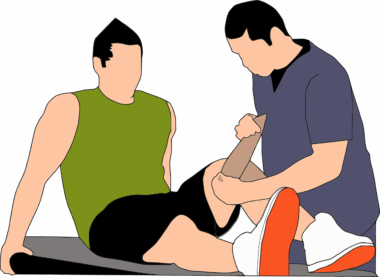

Introduction to Ethical Issues in Sports Medicine
In the realm of sports, ethical issues related to organizing medical support at events are paramount. As athletes push their bodies to extreme limits, a robust medical infrastructure is vital for ensuring their safety and well-being. Medical professionals are tasked not only with treating injuries but also with upholding the integrity of the sport. One pressing concern is the potential conflict of interest that arises when team physicians prioritize athlete performance over their health. They may feel pressure to clear an athlete for participation, despite risks. This raises ethical dilemmas about where their loyalties should lie. The ethical implications extend beyond immediate health concerns; they also affect long-term athlete welfare and career sustainability. Effective protocols must be established to ensure transparency and accountability. Furthermore, there is a necessity for ongoing education about the ethical guidelines that govern medical practices in sports. Medical teams should be involved in creating policies that prioritize athlete health. Collaborative efforts among stakeholders can help foster a culture of fairness, rights, and responsibilities at every sporting event, thus mitigating ethical conflicts in medical support.
Another critical aspect to address in sports medicine is the ethical dilemma surrounding informed consent. Athletes often face pressure to proceed with treatments or interventions to enhance performance, which raises questions about their autonomy in making informed decisions. Informed consent must not only encompass the explanation of procedures but also the potential risks involved. Medical professionals have a duty to ensure that athletes fully understand what treatments entail before consenting. Additionally, pressure from coaches or sponsors can cloud judgment and lead athletes to make choices they would not otherwise consider. There must be a transparent dialogue between athletes and their medical teams to build trust. A lack of understanding can lead to potentially harmful decisions that compromise both health and performance. Sports organizations should adopt strict guidelines surrounding informed consent to protect athlete rights. Training physicians and medical personnel in strategies that promote open communication is essential. Ultimately, respecting the autonomy of athletes while providing them with thorough information on health interventions is crucial. Such an approach will enhance ethical practices and ensure that athletes feel supported in their choices.
The Role of Monitoring and Treatment Ethics
As part of their commitment to athlete well-being, medical professionals must adhere to strict ethical standards when monitoring injuries and administering treatments. There exists an ongoing challenge surrounding the determination of when it is appropriate to reintegrate an injured athlete into the sport. The pressure to perform can lead to hasty returns, putting athletes at risk for re-injury. Ethical dilemmas emerge when the medical team becomes caught between the demands of sports performance and the health of the athlete. A comprehensive assessment must consider both short-term recovery goals and long-term health outcomes. Transparency in the decision-making process can prevent misunderstandings between athletes and medical personnel. It is essential for sports organizations to facilitate environments that prioritize healthy, informed decisions rather than just focusing on competitive success. A collaborative decision-making model will empower athletes and ensure they are central to the process. By adhering to established medical guidelines and engaging in continuous monitoring, physicians can uphold the ethical standards that protect athletes during their recovery process.
Moreover, there are significant ethical implications surrounding the equitable allocation of medical resources at sports events. Events vary in scale and funding, leading to disparities in the quality of medical support available. Athletes on elite teams may receive top-tier medical care, whereas amateur participants may have limited access to essential medical services. This inequity raises concerns regarding fairness in competition and athlete safety. To address this issue, sports organizations need to develop policies that ensure standardized medical support across all events, regardless of budget. Preventive measures, such as establishing protocols for emergency medical services and having qualified personnel on-site, are crucial for all participants. Collaborative initiatives can work towards improving access to medical care, creating a more equitable environment for athletes. This could involve partnerships with healthcare providers and establishing guidelines for minimum medical staffing at various event levels. By ensuring that all athletes receive adequate medical care, sports organizations can foster a culture of fair play that prioritizes health and safety for everyone involved.
Addressing Substance Abuse in Sports Medicine
Ethical considerations in sports medicine also encompass the issue of substance abuse, particularly concerning performance-enhancing drugs. The epidemic of doping presents a significant challenge for medical professionals tasked with helping athletes maintain their competitive edge while ensuring integrity within the sport. Physicians must navigate the fine line between providing treatments that promote recovery and inadvertently endorsing practices that could harm an athlete’s long-term health. A commitment to ethical guidelines in prescribing medications must prevail. Medical teams should provide education around the risks of enhancing substances, promoting holistic approaches to training and recovery instead. Athletes often look to their medical teams for guidance, thus emphasizing the need for healthcare providers to lead by example. Furthermore, regular testing and monitoring are necessary to maintain the integrity of sporting competitions. Sports organizations should encourage athletes to report unethical practices, fostering an environment where honesty thrives. By prioritizing ethical standards in this regard, sports medicine can contribute to a cleaner, more transparent framework that protects both athletes and the sports they love.
Another area of concern regarding ethical practices in sports medicine is the importance of mental health care. Athletes often face immense pressure, leading to increased rates of anxiety and depression. Nonetheless, the stigma surrounding mental health can prevent athletes from seeking necessary support. Medical teams must advocate for mental health awareness and integrate mental health professionals into the sports medicine framework. This holistic approach addresses not just physical injuries but also the psychological well-being of athletes. Ethical obligations extend to promoting a culture of openness where athletes feel comfortable discussing mental health without fear of judgment. Moreover, their mental health needs should be treated with the same importance as physical ones. Therefore, creating confidential support systems within sports organizations is essential. Accessibility to mental health resources can empower athletes and contribute to their overall effectiveness in their sport. Training for coaches and medical staff should emphasize recognizing mental health challenges, and addressing them appropriately. This multifaceted approach can significantly enhance well-being and performance while establishing ethical standards for sports medicine.
Creating a Culture of Ethical Behavior
Lastly, instilling a culture of ethical behavior within sports organizations is fundamental to addressing these pressing issues in sports medicine. Leadership plays a critical role in setting the standard for ethical practices across all levels of sports. Coaches, athletes, and medical teams should collaborate to establish a unified approach to ethical behavior, ensuring that everyone involved recognizes their responsibility for upholding fairness and integrity. Regular training and open discussions about ethics can promote awareness and understanding among all stakeholders. Sports organizations can benefit from developing formal ethics programs that outline expectations for behavior, including recommendations for ethical decision-making. Moreover, they should encourage reporting mechanisms that allow athletes and staff to voice concerns without fear of retaliation. Ultimately, establishing strong ethical foundations can not only enhance the reputation of sports organizations but also improve overall athlete welfare. By emphasizing collaborative responsibility in ethical practices, all parties can work together to create a more positive environment that reflects the values of fair play and athlete safety.
In conclusion, ethical issues surrounding organizing medical support at sports events encompass multiple facets, including informed consent, equitable resource allocation, and mental health considerations. Recognizing and addressing these challenges is essential for promoting athlete safety and maintaining the integrity of sports. Holistic approaches must be taken that include transparent discussions, collaborative decision-making, and commitment to ethical standards among all stakeholders. Medical support teams must prioritize athlete health above all else, ensuring that decisions made are in the athletes’ best interests. Moreover, by fostering an environment where ethical behavior is encouraged and rewarded, sports organizations can contribute to a culture of fairness, respect, and responsibility. Through ongoing education, policy development, and advocacy for mental health, the sports community can work together to address the unique ethical challenges of sports medicine. It is imperative that all parties involved remain committed to upholding the highest ethical standards to protect athletes and the sports they love. In doing so, we will promote fair play and ensure the long-term well-being of those dedicated to sports, reinforcing the core values of competition.