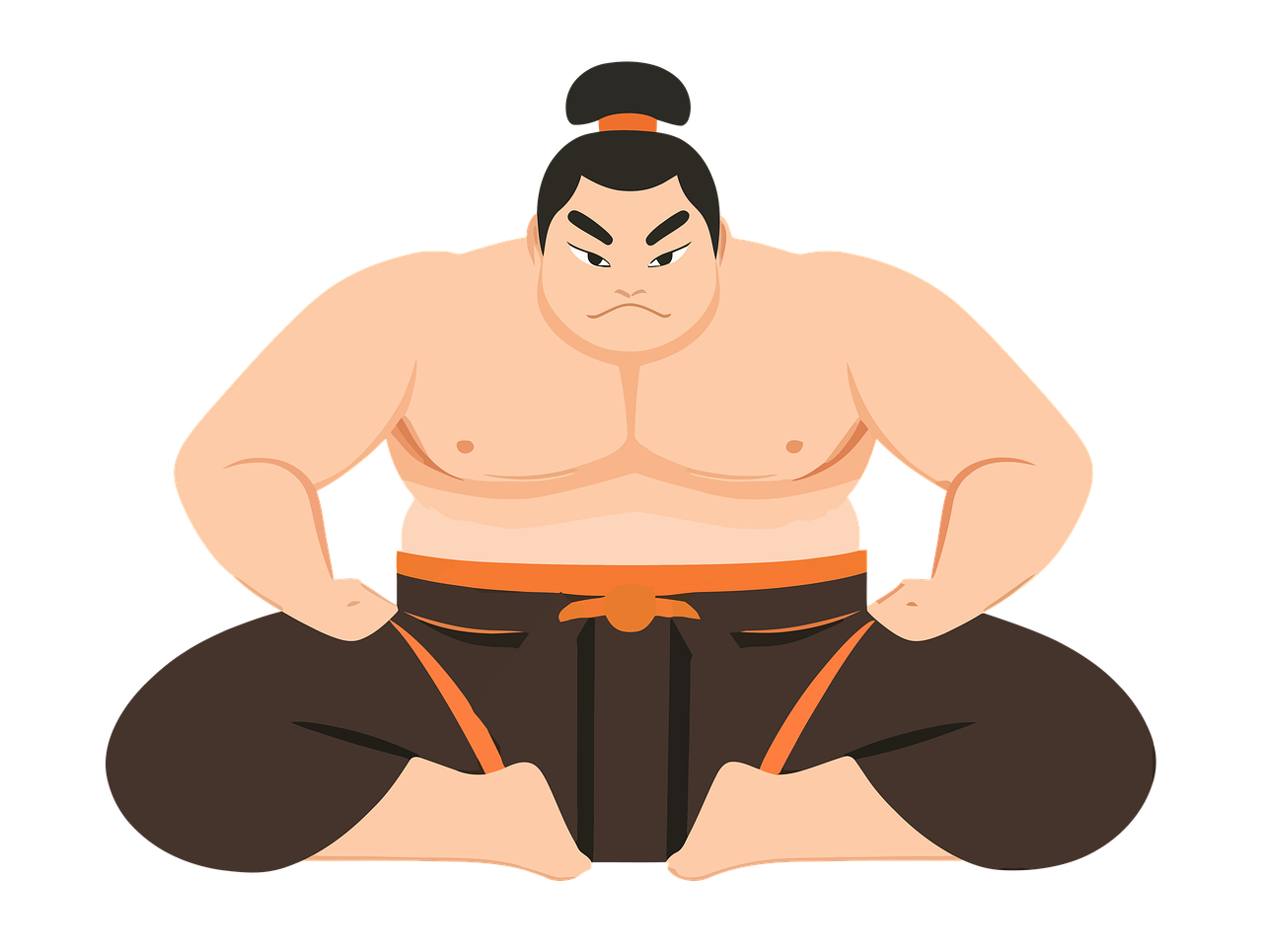

How to Improve Strength for Sumo Wrestling
Improving strength for sumo wrestling involves focused training routines that emphasize core power, leg strength, and endurance. A balanced approach includes specific exercises tailored to build the fundamental muscles needed in matches. Begin your regimen with heavy squats and deadlifts, as these compound movements engage multiple muscle groups. Incorporate sumo deadlifts to closely mimic the lifting techniques within the ring, focusing on proper form to avoid injury. In addition, don’t forget the importance of flexibility and mobility drills to enhance performance duration in matches. Dedicating time to stretching routines can significantly aid in reducing injury risk. Additionally, practicing specific sumo techniques and moves within your training sessions helps build muscle memory and functional strength. Throughout your journey, maintain proper nutrition to support muscle growth and recovery. Prioritize protein intake, healthy fats, and complex carbohydrates to fuel you throughout rigorous training sessions. Remember, rest and recovery are critical components in strength development. Incorporating suitable active recovery methods, such as yoga or light cardio, can aid in muscle repair while improving overall agility. Stay consistent with this methodology to realize noticeable improvements in your sumo wrestling strength.
A crucial aspect of strength training for sumo wrestling is the emphasis on bodyweight exercises. Resistance training alone isn’t enough; you should integrate calisthenics to develop relative strength. Push-ups, pull-ups, and dips not only strengthen your upper body but also improve grip strength essential for successful bouts. Movements such as lunges and box jumps build explosive power in the legs, which is crucial during matches. Equally important, work on isometric holds like the bridge and the plank to create stability and control in your movements. Stronger core muscles allow for better performance and help to minimize injury risks. Incorporate these exercises into your weekly routine to enhance your overall athletic abilities. Pair your strength training regime with specific sumo drills to translate gym strength into match readiness effectively. Regular practice of shiko, ashi-sumo, and various grappling techniques can further enhance strength alongside endurance. Furthermore, stay aware of hydration during rigorous sessions, as it plays a key role in performance efficiency. Hydration supports muscle function and prevents fatigue during demanding training. Working with a coach or experienced sumo wrestler also allows for personalized adjustments, guaranteeing better-tailored guidance.
Nutrition for Sumo Wrestlers
Nutrition is a vital component when discussing strength improvement for sumo wrestling. Consuming meals rich in protein, healthy fats, and carbohydrates after workouts aids in recovery and muscle development. Lean meats, fish, eggs, legumes, and nuts provide an adequate protein source, helping to repair and build muscle. Include a sufficient amount of complex carbohydrates such as brown rice, whole grains, and fruits to ensure sustained energy throughout your training sessions. These food sources not only support energy levels during intense workouts but also facilitate muscle recovery after rigorous training sessions. It’s important to manage portion sizes to avoid unnecessary weight gain, as maintaining optimal body weight is crucial for efficiency and performance in the ring. Also, establishing a consistent eating schedule throughout your training days can stabilize energy levels, preventing crashes and maintaining stamina. Hydrating properly before, during, and after workouts ensures that your muscles function at their highest capacity. Lastly, paying attention to micronutrient intake from vegetables and fruits supports overall health. A strong body is supported by a balanced diet rich in vitamins and minerals, crucial for overall performance in any athletic discipline.
Incorporating conditioning workouts enhances endurance vital for sumo wrestling matches. High-intensity interval training (HIIT) workouts can help build cardiovascular capacity, allowing you to maintain energy levels during lengthy matches. These sessions allow for explosive bursts of power followed by rest, thereby mimicking match scenarios. Consider adding hill sprints or shuttle runs into your training routine to further improve stamina. Conditioning not only aids in muscle endurance but also enhances fat-burning, helping wrestlers maintain appropriate weight levels. Focus on gradually increasing the duration and intensity of your cardio workouts to avoid overtraining and injuries. Additionally, consider cross-training methods, integrating various sports such as kettlebell workouts or swimming sessions, which can improve your overall conditioning. These diverse training methods keep things fresh while preventing the mental fatigue associated with repetitive workout routines. Creating a varied training schedule also keeps your body engaged and responsive to new challenges. For both strength and conditioning, prioritize rest days. They allow your body adequate time to recover, which is equally important to gains made during active workouts. Listening to your body, adjusting your load, and ensuring recovery are aspects of training that will lead to optimal results.
Mindset and Focus for Success
The mindset you bring to strength training and sumo wrestling overall influences your success. Cultivating a positive, determined mindset allows for overcoming challenges encountered during training. Visualization techniques can create a strong mental picture of your performance, guiding your thoughts towards success and achievement in the ring. Setting realistic, specific goals for each training session aids in maintaining motivation and commitment. Track your progress to remain accountable, celebrating small victories along the way to build confidence. Developing a resilient attitude ensures that when setbacks occur, you have the mental fortitude to push through. Finding balance is crucial as well; while intensity is important in your training, rest and mental health should also be prioritized. Engaging in relaxation practices like meditation or deep, focused breathing exercises can enhance mental clarity and overall well-being. Surrounding yourself with supportive teammates and mentors fosters a positive training environment. Their encouragement can drastically impact your mindset and resilience during challenges. Remind yourself that each step taken is part of a larger journey, making it essential to embrace the learning process. This fosters long-term growth in your sumo wrestling career.
Analyzing your performance through regular evaluations allows for improvements in both strength and technique in sumo wrestling. Consider incorporating video analysis into your training regimen. Recording matches and training sessions promotes honest reflection on your techniques, ensuring you understand both strengths and weaknesses. Identifying areas needing improvement allows for focused adjustments within your practice sessions. Pair this analysis with constructive feedback from coaches to outline clear areas for growth, enhancing your skill set over time. Moreover, engaging in regular sparring sessions helps apply strength and techniques learned during training in a match setting. Varying opponents can challenge you, pushing the limits of your strength while fostering adaptability. Try to establish a dedicated training partner system, promoting accountability and fostering consistent skill improvement. Cross-referencing your results with established benchmarks in sumo wrestling can also provide insight into your growth path. Identifying that you are on track or where additional focus is needed can motivate and enhance targeted training efforts. Remember, no athlete achieves excellence without assessing their performance against both personal and competitive standards. Challenge yourself frequently to seek greater strength, endurance, and technical proficiency.
Conclusion and Next Steps
In conclusion, building strength for sumo wrestling is a multifaceted approach that combines focused training, proper nutrition, conditioned endurance, and a resilient mindset. Pursuing dedication to these aspects allows for significant improvements in performance. Consistency in training will lead to the gradual enhancement of strength, agility, and competitive skills required on the tatami. When refining strength, set clear, achievable goals that motivate and push you toward excellence. Future training should integrate a diverse range of workouts along with emphasis on proper techniques. Staying engaged with insights from coaches, nutritionists, and experienced peers fosters a comprehensive understanding of the discipline. Incorporate both traditional and innovative methods for continual growth. Tracking progress over time ensures that the efficacy of training methods can be evaluated, adapting strategies as necessary. Prioritize mental and physical well-being; balance is key to long-term success. Remember to celebrate victories, both big and small, as they contribute to your journey. The path to mastering strength in sumo wrestling is continuous, requiring commitment, adaptability, and a passion for the sport. Embrace these aspects eagerly and cherish your growth, no matter how incremental.
Your sumo wrestling strength will benefit from integrating various techniques within your training plan. Your ultimate goal of becoming a proficient sumo wrestler will be within reach with dedication and the right approach.