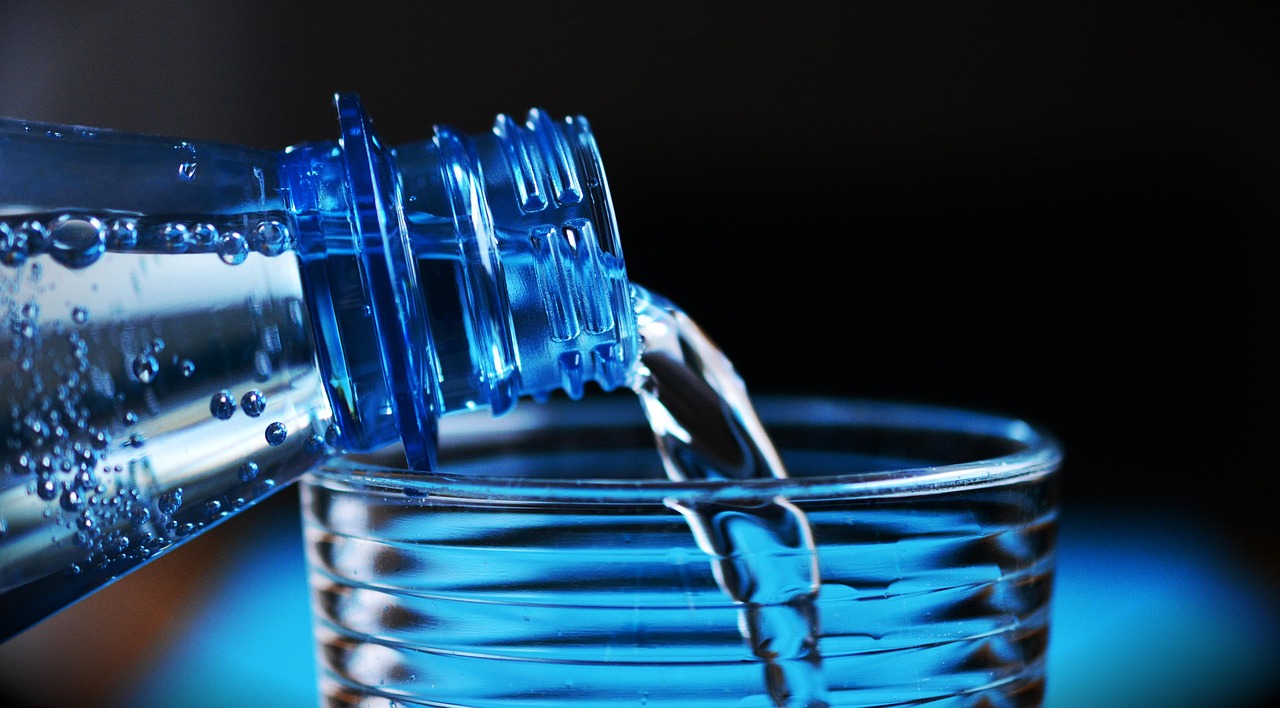

The Role of Hydration in Accelerating Illness Recovery
Hydration plays a crucial role in the recovery process from illness, fundamentally impacting how the body heals. When sick, the body requires more water to combat fevers, produce mucus, and manage other symptoms. Proper hydration helps maintain essential bodily functions, including digestion and circulation. Dehydration can exacerbate the severity of sickness, leading to complications that prolong recovery. Water aids in the transportation of nutrients and oxygen to cells, essential for regaining strength. In particular, fluids assist in flushing out toxins and waste products, such as through urine. The recommended daily water intake varies, but during illness, this may need to increase significantly. Hydration can be achieved through various sources, including fresh fruits and vegetables, as well as electrolyte beverages. These sources contain vitamins and minerals that provide additional health benefits, further aiding the recovery process. Individuals often underestimate the importance of hydration, taking for granted how their body functions under the stress of illness. Regularly consuming fluids can provide a much-needed boost to support the immune system and overall health, accelerating recovery time.
Understanding the specific fluid needs during recovery from illness is essential. Humans lose fluids through sweat, urine, and sometimes vomiting or diarrhea. Therefore, increasing hydration intake is crucial to replace lost fluids and ensure the body functions optimally. While water is fundamental, certain beverages can be more effective. For instance, clear broths and herbal teas can soothe symptoms and offer hydration while providing warmth. Additionally, drinks containing electrolytes might be beneficial, especially after vomiting or diarrhea. These drinks help restore lost minerals like sodium and potassium, important for cellular function. When considering hydration strategies, it is also essential to monitor urine color as an indicator. Ideally, urine should be pale yellow; darker urine indicates dehydration. Moreover, incorporating hydrating foods into your meal plan can be advantageous. Foods such as watermelon, cucumbers, and oranges contain high water content, supporting hydration efforts. Remember that caffeine and alcohol can lead to increased fluid loss and may not be the best choices during recovery. Staying ahead of hydration needs can significantly impact recovery duration and promote a quicker return to full health.
Signs and Symptoms of Dehydration During Illness
Recognizing the signs and symptoms of dehydration is essential for anyone recovering from illness. Early symptoms include dry mouth, fatigue, and dizziness, which can hinder daily functioning and delay recovery. As dehydration progresses, more severe symptoms may manifest, such as headaches, confusion, or a rapid heartbeat, signaling urgent attention is needed. In addition, hydration is crucial for those experiencing vomiting or diarrhea, common in various illnesses. In such cases, keeping track of fluid intake can prevent dehydration and its associated complications. An effective strategy is to drink small amounts of fluids at regular intervals instead of large quantities at once. This approach may alleviate nausea while maintaining hydration levels. Additionally, it is advisable to consult healthcare professionals if symptoms worsen or fail to improve. Children and the elderly are particularly vulnerable to dehydration, so caregivers should monitor their fluid intake closely. Providing colorful, appealing fluids may encourage consumption. Remember that hydration isn’t just about water but includes nourishing beverages and foods that contribute to overall fluid intake. Prioritizing hydration can lead to a more comfortable and efficient recovery experience.
Nutrition and hydration work synergistically in promoting illness recovery. A well-balanced diet rich in vitamins and minerals supports the immune system while hydration facilitates the delivery of these nutrients throughout the body. During recovery, individuals should focus on consuming whole, nutrient-dense foods that complement their fluid intake. Foods rich in Vitamin C, like citrus fruits and leafy greens, can help boost the immune system. Combining these with hydration strategies ensures that essentials are delivered effectively to tissues. Additionally, protein is essential for repairing tissues and building muscle, particularly after prolonged illness. Integrating hydration alongside protein sources can enhance metabolic processes during healing. Foods such as chicken broth not only provide hydration but also offer protein, making them a double-duty solution. It is important to consume meals and snacks frequently, rather than relying on a few larger meals, to maintain energy and hydration levels. Snacks like yogurt or smoothies can be high in nutrients while maximizing fluid intake. Ultimately, focusing on both nutrition and hydration is vital in speeding up the recovery process and regaining strength after an illness.
Hydration Strategies Tailored for Recovery
Implementing effective hydration strategies tailored specifically to recovery can greatly influence healing outcomes. First, establishing a routine that includes regular fluid intake is essential. This could involve setting reminders throughout the day to encourage consistent hydration. Additionally, utilizing a water tracking app can aid in monitoring daily intake, ensuring individuals meet their hydration goals. Flavored water or herbal infusions can make this process more enjoyable, thus improving adherence. Furthermore, incorporating hydrating snacks into daily meals not only boosts fluid intake but also enhances overall nutrition. For example, smoothies made with yogurt and fruits can be refreshing while providing hydration and energy. It’s beneficial to keep fluids readily available, placing them in visible locations. This can serve as a constant reminder to stay hydrated. Another effective strategy during recovery is adjusting fluid intake based on activity levels and environmental conditions. Increased activity or hot weather can heighten dehydration risks, prompting the need for additional fluid replenishment. Tailoring hydration to individual needs empowers faster recovery and a greater sense of well-being, promoting overall health.
Hydration recovery also plays a crucial role in mental clarity and emotional stability, especially during illness. The mind and body are interconnected, and dehydration can lead to feelings of fatigue, anxiety, or irritability. Ensuring adequate fluid intake can enhance cognitive functions, improving focus and mood. Consuming fluids throughout the day can break monotony and serve as a mental checkpoint for many individuals. Simple strategies can include savoring herbal teas or flavored waters, making the experience of hydration pleasurable. Furthermore, during recovery, it’s not uncommon to experience feelings of frustration or sadness. Staying hydrated can help stabilize mood and alleviate some of these emotions. Additionally, being open about hydration needs with caregivers or family members can create a supportive environment. Engaging in social activities around food and drink can spark both joy and connection, providing mental and emotional upliftment during recovery. In this way, hydration transcends basic physical health, fostering emotional resilience. Therefore, prioritizing hydration during the recovery process can significantly enhance mental fortitude as individuals navigate their healing journey.
Conclusion: Emphasizing Hydration in Illness Recovery
In conclusion, hydration is a vital component of the recovery process from illness. Individuals must recognize the intricate relationships between hydration, nutrition, and overall wellness. Understanding personal hydration needs impacts healing times and quality of life. Implementing effective hydration strategies—such as monitoring fluid intake, choosing nutrient-rich beverages, and incorporating hydrating foods—can greatly aid in overcoming illness. Recognizing signs of dehydration and proactively replacing lost fluids empowers individuals to optimize recovery. Engaging family members or caregivers enhances motivation and makes the hydration process enjoyable. Remember, recovery is more than just physical; it also involves mental and emotional elements. Individuals should prioritize their wellness holistically, taking care of their bodies, minds, and spirits. Just as the body requires nutrients, it also needs hydration to perform optimally. Every sip counts, so make hydration a priority. In doing so, individuals can accelerate their recovery, regain strength, and get back to enjoying life fully. With the right hydration strategies in place, the road to recovery can be smoother, shorter, and undeniably healthier.