
Introduction to Environmental Considerations
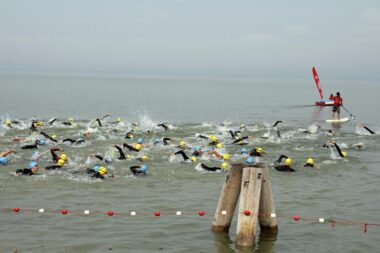
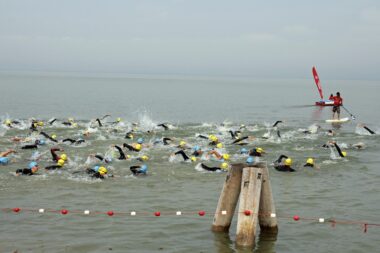
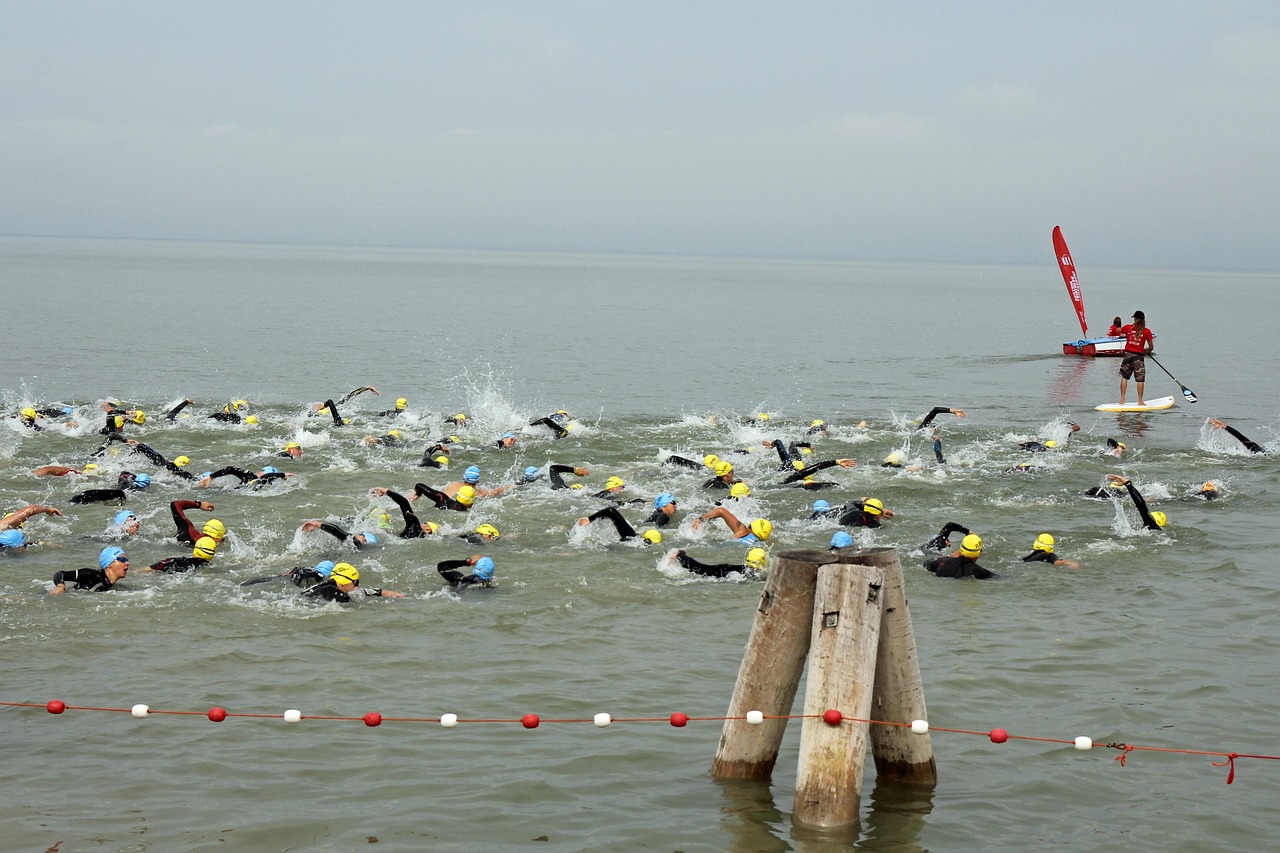
Cold water swimming is an invigorating activity that offers numerous health benefits but also comes with certain environmental considerations. As swimmers, it’s vital to understand the necessity of protecting the water bodies we enjoy. Cold water has unique ecological values that must be preserved. These environments are crucial for various ecosystems, including aquatic life that depends on the stability of temperatures. Swimmers should educate themselves about the local flora and fauna. When entering cold water, it’s essential to respect designated swimming areas, minimizing the disturbances to sensitive wildlife. Trampling vegetation along the shoreline can lead to erosion which damages habitats. Therefore, always access the water using established paths. Be aware that some bodies of water might contain pollutants. Research indicates that cold water can harbor harmful microorganisms; thus, always check local guidelines before swimming. You might want to coordinate with local environmental groups to understand your impact on the area. Consider volunteering for waterway clean-ups to contribute positively. Protecting our natural surroundings ensures cold water swimming will remain an option for future generations and allows everyone to enjoy these thrilling yet challenging aquatic experiences.
Water Temperature Effects on Swimmers
Swimming in cold water requires preparation and an understanding of how temperature affects our bodies. Physiologically, cold water can cause hypothermia, thus necessitating appropriate gear. The body loses heat much faster when submerged in cold water. Swimmers are advised to wear wetsuits or drysuits depending on the conditions. These garments provide insulation and increase buoyancy, helping to maintain body temperature. Furthermore, understanding your swimming limits is vital for safety. Cold stress can cause fatigue, which affects your ability to swim properly. Additionally, immersing oneself in cold water can lead to an increased risk of cramps. The ideal temperature for swimming is typically above 60°F (15°C); anything lower should be approached with caution and possibly with acclimatization. In this sense, swimmers should gradually adapt to lower temperatures to better handle the shock response. Always swim with a buddy or a group and remain in visual range in case of difficulties. Ensure you’re aware of local safety conditions and heed warnings regarding sudden temperature drops or harsh weather conditions. Helping one another fosters a supportive swimming environment and enhances safety.
Cold water swimming not only requires understanding the practical aspects of swimming in low temperatures but also a keen awareness of potential environmental impacts. When swimming in frigid waters, it is essential to avoid disturbing wildlife, such as fish and birds that are native to the ecosystem. These creatures are often sensitive to changes in human activity. As swimmers, maintaining silence and limiting splashing can be beneficial in protecting the peace of their habitats. Swimmers should routinely check and follow regulations about permissible swimming practices in certain areas. Limiting waste, including plastic bottles and trash, is also critical. Such refuse can threaten marine life and degrade water quality. Thus, carry out what you bring in and promote a litter-free zone. Building a community effort for environmental consideration while swimming is vital. Informing fellow swimmers about conservation efforts and respectful swimming practices can contribute significantly to safeguarding these precious environments. Organizations offer various resources and courses to educate on environmental awareness. Additionally, by sharing this information, cold water swimmers can inspire a collective effort towards preserving these beautiful swimming spots while enriching their experiences in nature.
Safety Practices for Cold Water Swimming
Creating a culture of safety is paramount when participating in cold water swimming. Establishing protocols to ensure everyone feels secure will enhance the overall experience. Swimmers should start with understanding how to recognize signs of hypothermia and frostbite. Both conditions can arise unexpectedly, demonstrating the importance of staying alert. Before swimming, wearing appropriate gear ensures reduced risks of exposure. A buddy system is highly recommended since it allows for immediate assistance if someone experiences difficulty. Always swim where lifeguards are present or alongside other experienced cold water swimmers. It’s crucial to understand weather conditions too; swimmers should avoid bravely entering the water during severe weather warnings or rough conditions. Keeping swim sessions brief allows for gradual acclimatization to cold temperature, reducing shock to your body. After swimming, transitioning to warm clothing quickly helps prevent further heat loss. Remember to hydrate and sustain energy with protein-rich snacks. Proper recovery practices after swimming not only boost morale but also uphold safety. Sharing your own experiences with friends can aid in cultivating awareness in a culture where safety is prioritized.
Before embarking on a cold water swimming adventure, consider the health impacts it may entail. Individuals with pre-existing conditions, especially cardiovascular issues, should consult a medical professional prior to engaging in the activity. The instinctive gasp reflex triggered by cold water can pose significant dangers, posing risks particularly for those with heart conditions. Furthermore, the physiological stress involved in cold water swimming can lead to increased heart rates and blood pressure. Thus, knowing personal health limitations is crucial for ensuring safety while swimming. If feeling nauseated or excessively fatigued, one should exit the water immediately. Swimmers often underestimate the toll cold water takes on physical stamina and mental acuity. Organizing short swims with defined goals ensures that you remain aware of your body’s responses throughout. Educating fellow swimmers while participating in swim groups enhances collective knowledge and safety practices. Moreover, sharing insights about safe limits contributes to mutual protection. Connecting with local swimming clubs or groups can foster community engagement, while further promoting safe swimming practices. Swimming responsibly protects individual health and encourages all participants to embrace the joy of cold water swimming safely.
Engaging with Local Communities
Building a connection with local communities while participating in cold water swimming can yield numerous benefits. Forming relationships helps promote environmental conservation, which is crucial for sustaining habitats. Many local swim groups are involved in organizing environmental events, including clean-ups of local waterways. This is a wonderful way to engage and establish friendships with other swimmers. By working together, swimmers can develop a better understanding of their shared responsibility in preserving aquatic environments, further enriching their swimming experiences. Various organizations may host events that teach water safety or educate participants about local ecosystems. Raising awareness about maintaining clean waters and the significance of respecting nature fosters a sense of community spirit. Additionally, sharing swimming experiences and tips may generate enthusiasm among new swimmers. Local businesses might sponsor swimming events, helping advance funding that keeps these habitats clean and accessible. Engaging with the community allows for learning opportunities and potentially enhances the swimming experience. By emphasizing group participation, a broader message about environmental awareness reaches a larger audience. Community engagement promotes shared responsibility, creating a culture of respect and care for the local environment.
In conclusion, appreciating the environmental considerations surrounding cold water swimming is essential. As naturalists and adventurers, there is a shared responsibility to sustain these treasured aquatic spaces. Partaking in educational initiatives raises awareness and promotes respect for ecological systems. Emphasizing safety while engaging with nature adds a layer of accountability to this invigorating activity. Swimmers should not only focus on their own comfort and well-being but also prioritize the well-being of the ecosystems they engage with. Understanding the interactions between swimmers and their environments enables individuals to adapt their practices to minimize disturbances. Share insights and become advocates for both cold water safety and environmental conservation. Look for opportunities to support local environmental initiatives and engage with others passionately about these issues. Building a network of informed cold water swimmers can strengthen sustainability efforts and raise awareness on the importance of preserving aquatic habitats. From knowledge sharing to participating in conservation efforts, everyone plays a role in protecting our waters. Embrace this community spirit and foster a culture that values and respects the unique environments of cold water swimming. Together, future generations can enjoy the beauty of cold water experiences.
This is another paragraph with exactly 190 words…