
Evaluating the Impact of Wearable Tech on Cycling Apps
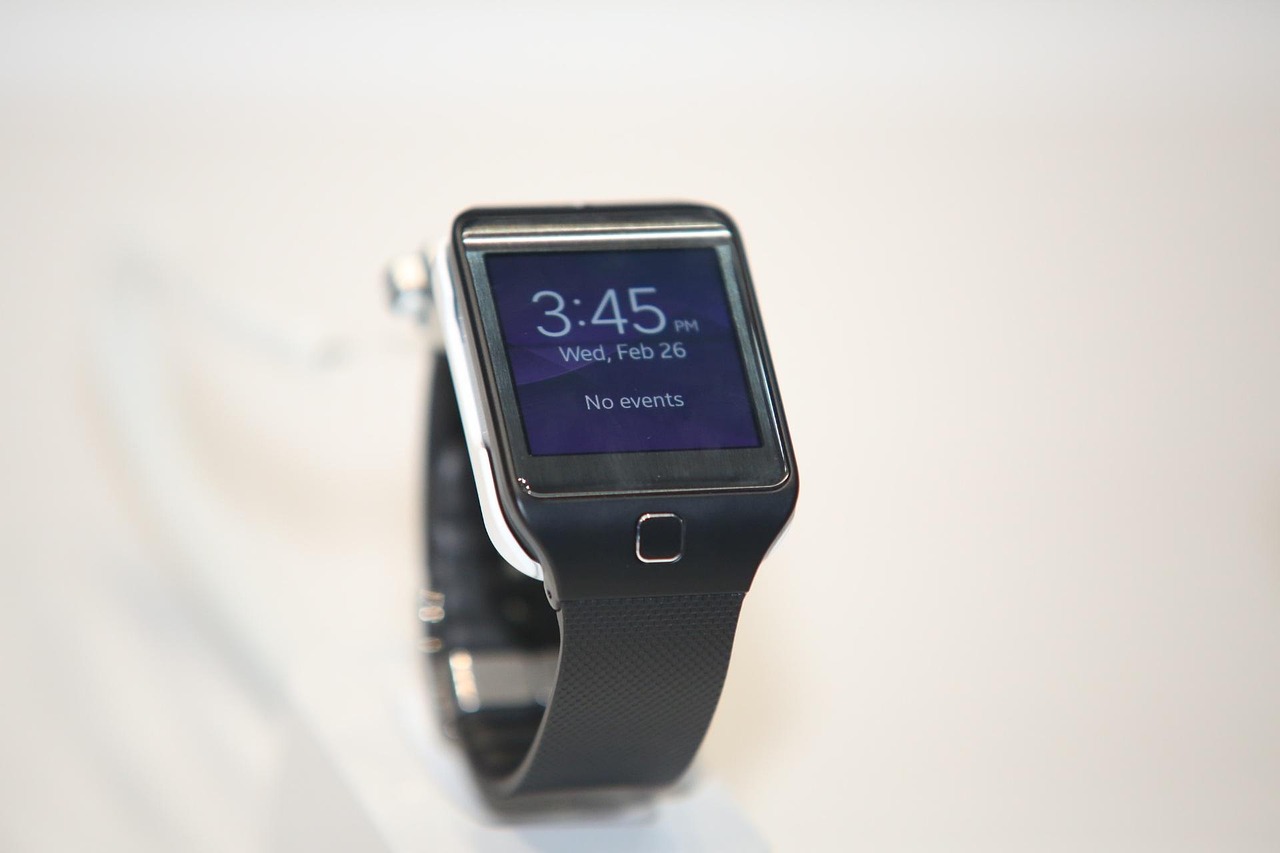
Wearable technology has dramatically transformed how cyclists interact with cycling apps and software. These devices allow for real-time data collection, which enhances the entire cycling experience. Fitness trackers and smartwatches can monitor heart rate, distance, and speed, providing cyclists with critical feedback during their rides. Notably, integrating wearables with cycling apps increases accuracy and provides a more in-depth analysis of performance metrics. Many cyclists now rely on mobile applications that sync with their wearables to offer insights into training efficiency, recovery time, and calorie expenditure. Wearable devices encourage users to engage with their fitness goals more consistently. They can also create a sense of community among cyclists as users can share achievements and progress through social features. Additionally, such technology has improved accident prevention, as some devices include safety features that allow users to alert friends or emergency services if they experience a crash. Overall, the synergy between wearable tech and cycling apps fosters a more informed and connected cycling culture. This technology continues to evolve and will undoubtedly influence cycling strategies, training methodologies, and user experiences significantly in the coming years.
The Influence of Data on Cycling Performance
The integration of wearable devices with cycling apps significantly enhances performance insights for cyclists. These applications leverage the data gathered from wearables to track critical statistics such as speed, cadence, and elevation. Users can analyze this data regularly to identify performance trends and areas needing improvement. This data-driven approach enables cyclists to set realistic goals based on their individual metrics, leading to more effective training sessions. Furthermore, wearable technology provides feedback in real-time, allowing users to adjust their efforts while riding. This level of responsiveness can lead to improved endurance and efficiency during rides. Another significant advantage is the trend analysis that these apps offer. By compiling data over time, cyclists can see progress or plateau patterns, prompting changes in their training plans. The gamification of cycling apps through leaderboards and challenges creates a competitive atmosphere that motivates users to push their limits, enhancing overall performance. The clarity of data presented by these apps helps cyclists understand their physical capabilities better than ever before. In a sport where precise performance is critical, this technology plays a vital role in driving results and improving cycling experiences.
Beyond performance metrics, wearable tech also influences the social aspect of cycling through apps. Cycling apps allow users to connect, share experiences, and compete against one another. This social interaction has brought a new dimension to cycling, encouraging more people to engage with the sport. Cyclists can join virtual clubs, participate in challenges, and even plan group rides through these platforms, fostering community among enthusiasts. Additionally, data from wearables informs these social interactions by providing insights into individual performance and enabling friendly competition. Users can follow friends’ progress and even challenge them based on shared metrics shown on their apps. This heightened connectivity has led to a rise in participation and motivation among cyclists. Moreover, these technological advancements have made cycling communities more accessible, drawing in beginners and fostering inclusivity. With the ability to share journeys and training regimens, the sense of camaraderie grows, allowing cyclists to support each other in their fitness endeavors. For many, this community aspect transcends mere competition, enriching the experience of cycling through shared passion and mutual encouragement, ultimately driving a positive cycling culture.
Safety Features of Wearable Cycling Technology
Another critical area where wearable technology impacts cycling apps is safety. Many wearables come equipped with features designed to keep cyclists safe on the road. For instance, some devices can detect crashes and automatically send alerts to emergency contacts with location information. This feature is invaluable, as it provides peace of mind for both cyclists and their loved ones, knowing assistance is only a notification away. Moreover, certain wearable devices integrate navigation features that can communicate with cycling apps to provide turn-by-turn directions. This function enhances safety by allowing riders to focus on the route rather than fiddling with their mobile devices while cycling. Additionally, wearables can monitor environmental conditions, alerting users about any dangerous changes, such as erratic wind speeds or upcoming severe weather. Such proactive measures can help cyclists avoid potentially hazardous situations. Furthermore, many cycling apps include community-sourced data regarding road conditions or hazardous areas that cyclists can navigate around. These safety elements combined with wearable tech signify a shift towards prioritizing health and security in the outdoor cycling environment, ultimately influencing cycling habits significantly.
The use of wearable tech in cycling irrespective of experience level is growing, driven by advancements in mobile technology and cycling apps. Beginners can benefit significantly from these technologies, as they often provide guided experiences tailored to their needs. Using simple user interfaces within these apps, new cyclists can quickly access vital data without feeling overwhelmed. Features like instructional videos and virtual coaching help enhance their skills and knowledge. Over time, these features can motivate novices to pursue their fitness goals while cultivating a love for cycling. The real-time tracking and feedback encourage steady progress, which is particularly crucial for new cyclists. This user-friendly approach demystifies the data for beginners, allowing them to make informed decisions about their training. Established cyclists find wearables beneficial, as they can further fine-tune their performance metrics and apply science-backed training techniques. Consequently, the presence of wearable tech democratizes access to cycling knowledge and allows users to approach their cycling journeys confidently. This aspect fosters a culture of continuous improvement among all cyclists, regardless of their initial capabilities or experience levels, ultimately fostering a thriving cycling community.
Future Trends in Wearable Technology for Cycling
The future of wearable technology in cycling looks promising as innovations continue to emerge. Developers are increasingly focusing on creating devices that enhance the biking experience through sustainability features. For instance, solar-powered wearables could allow cyclists to track metrics without worrying about battery life. This shift towards energy-efficient products aligns with the growing demand for environmentally friendly technology. Additionally, collaboration between cycling app developers and manufacturers is expected to produce devices with even better functionality. The integration of artificial intelligence (AI) into cycling apps can provide personalized insights based on individual performance and goal tracking. Apps may utilize machine learning algorithms to suggest tailored training regimens, meal planning, or recovery strategies, tailoring the user experience further. Furthermore, advancements in virtual and augmented reality (VR/AR) may present unique cycling experiences, such as simulated rides on famous routes or interactive community rides. These potential developments promise to keep cycling engaging and challenging for users at all levels. The cycling technology landscape is only set to evolve, offering exciting opportunities for cyclists looking to enhance their physical performance while enjoying their rides.
In summary, the synergy between wearable technology and cycling apps creates a comprehensive cycling experience. Users can leverage data to improve their performance, safety, and overall enjoyment of cycling. The social aspects fostered by these technologies encourage community building, making cycling an inclusive sport. New cyclists benefit significantly from guided experiences, while seasoned cyclists can utilize data to push their boundaries further. Furthermore, safety features integrated into wearables enhance the sense of security for users, promoting safer riding environments. Future trends suggest that the development of more advanced technologies will continue to shape the cycling industry positively. Wearable tech enables cyclists to access vital information seamlessly and interactively, creating a vibrant ecosystem around this sport. Overall, as these technologies evolve, they offer tremendous potential for reshaping cycling culture and improving athletic performance across various levels. Embracing this integration is essential for any cyclist keen on maximizing their capabilities and enjoying the journey. The continuous innovation ensures that the future of cycling will be exciting and full of opportunity as long as technology continues to inspire and facilitate the love for cycling.
The impact of wearable tech has reached far beyond performance metrics—it has transformed cycling into a data-driven and community-oriented sport. By harnessing real-time analytics, cyclists can track their efforts, while social connectivity encourages engagement and participation. The continuous evolution of cycling apps ensures that both novices and experienced riders can harness the full potential of these technological advancements. As we embrace the future, it is essential to recognize the importance of responsible use of data and fitness. Thanks to the ingenuity of developers, the cycling experience will undoubtedly continue to revolutionize, bringing cyclists together and leading to healthier and happier communities through shared passions and mutual support.