
Recognizing Heat-Related Illness and Dehydration Symptoms
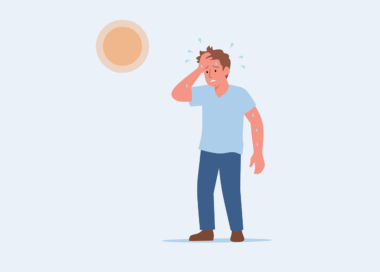
Understanding the signs and symptoms of dehydration is essential for maintaining optimal health and performance, especially in hot weather. Dehydration occurs when the body loses more fluids than it takes in, leading to an imbalance that can affect numerous bodily functions. Early symptoms often include thirst and a dry mouth, which signal the body’s need for water. Other indicators may include fatigue and dizziness, particularly after physical exertion. Becoming inattentive and experiencing headaches can also be warning signs of dehydration. It’s crucial to listen to these cues and respond appropriately by testing your hydration levels. Further symptoms can escalate to more severe effects. For instance, as dehydration worsens, heart rate increases and sweat production decreases. This can lead to heat exhaustion, a serious condition marked by extreme fatigue, nausea, and confusion. Recognizing these symptoms early can be life-saving. Regularly monitoring hydration status, especially during hot weather, is key to preventing severe dehydration and promoting overall wellness. Always be aware of how your body responds to various activities and environments to stay hydrated and healthy.
Another critical aspect of recognizing dehydration involves paying attention to color and frequency of urine. When properly hydrated, urine generally appears light yellow to clear. Darker urine can indicate dehydration, particularly if infrequent. Additionally, assessing for other physical signs, such as dry skin or decreased elasticity, can be helpful. When pinching the skin on the back of your hand, if it does not return quickly to normal, this could signify dehydration. Other indicators might include low blood pressure and increased heart rate when standing up. If these symptoms appear, it is important to take immediate action to rehydrate. Mild cases may be addressed by drinking water or electrolyte-rich beverages. However, for severe dehydration, intravenous fluid administration might be necessary. This is particularly true for those affected by prolonged exposure to hot weather, strenuous physical activity, or illnesses that cause vomiting and diarrhea. Always be proactive in hydration strategies to avoid these serious consequences. Frequent, small sips of fluids can help maintain hydration levels throughout the day, particularly in warmer climates.
The Importance of Hydration for Different Lifestyles
Different lifestyles require different hydration strategies. Athletes and laborers often lose significant amounts of water through sweat and must be vigilant. It’s vital they replenish fluids promptly to maintain energy and performance levels, particularly when engaging in high-intensity activities. Not just athletes need special care; individuals who spend time outdoors, like hikers or construction workers, must also manage their fluid intake appropriately. This is especially true during hot summer months or periods of high UV exposure. Similarly, children and the elderly are more susceptible to dehydration, as their bodies may not effectively signal thirst. Awareness of this vulnerability is crucial for caregivers and parents alike. Older adults might frequently overlook hydration, so providing reminders can help them stay hydrated. Additionally, consuming moisture-rich foods, such as fruits and vegetables, can contribute to hydration. Watermelon, oranges, and cucumbers are excellent choices for this purpose. Incorporating these strategies can support hydration efforts for people of all ages. Staying hydrated not only supports physical functions but also enhances cognitive performance and overall well-being, making hydration essential.
It is also important to understand how weather conditions affect hydration needs. Hot, humid environments lead to increased sweating, which must be compensated for by increasing fluid intake. During summer months, an increase in water consumption is often necessary to avoid the risks of heat-related illnesses. Moreover, cold weather can also lead to dehydration. Even though people might not sweat as much, they often typically do not drink as much water. This can lead to dehydration, so it is crucial to remain conscious of fluid consumption, regardless of the temperature outside. To ensure everyone stays hydrated consistently, creating personal hydration plans can be beneficial. Setting up reminders or using hydration tracking apps can support this process effectively. Ensuring that hydration strategies are tailored to individual and environmental needs is paramount for optimal health. Regular intake of fluids should be integrated into daily routines, particularly during warmer days. Understanding your specific hydration requirements can lead to better performance, improved mood, and reduced risk of illness, making hydration a vital aspect of daily life.
Tips to Stay Hydrated
To effectively manage hydration, integrating practical tips into your routine can yield significant benefits. Firstly, carrying a reusable water bottle can encourage frequent sipping throughout the day. Setting hydration goals, such as a specific number of refillable bottles per day, adds accountability. Secondly, incorporating fluid intake during meals can also enhance hydration. Drinking a glass of water before meals and consuming broth-based soups or smoothies can assist this process. Additionally, consume foods laden with water content, such as fruits, vegetables, and yogurt. Thirdly, try to make hydration enjoyable by infusing water with natural flavors, like cucumber, mint, or berries. This can help stave off boredom associated with plain water. Finally, when participating in high-intensity workouts, consider replenishing electrolytes through specialized sports drinks. These drinks can help restore essential minerals lost through sweat. Being aware of how to effectively incorporate hydration strategies into daily life sets a foundation for optimal health. By following these tips, individuals can combat dehydration effectively and enjoy the myriad benefits of staying well-hydrated.
Understanding individual hydration needs can also vary based on body composition, age, and activity levels. For example, an active adult may need significantly more water than someone who leads a sedentary lifestyle. Also, the body loses water differently at varying stages of life, and awareness of these changes helps in developing suitable hydration habits. To find your personal needs, consider monitoring factors like sweat rate during exercise. This allows for a better understanding of how much fluid to consume during and after workouts. Online hydration calculators can assist this process by providing tailored hydration recommendations based on various personal parameters. Moreover, it is crucial to limit dehydration-supportive beverages, such as those containing excessive caffeine or alcohol, since they can lead to increased fluid loss. Instead, focus on water as the primary source of hydration and consider substituting sugary drinks for healthier options. It is important to implement these strategies not just for exercise but as a continuous lifestyle choice, fostering a lasting awareness of hydration. Maintaining a healthy balance may support overall health and well-being effectively.
Conclusion: Prioritizing Hydration Strategies
In conclusion, recognizing the signs and symptoms of dehydration is critical for sustaining optimal health. By understanding the various physical indicators, individuals can take necessary actions to prevent dehydration before it becomes a serious health issue. Daily hydration efforts can vastly improve physical performance, cognitive clarity, and emotional status. Monitoring urine color and consistency, maintaining hydration-friendly diets, and adapting to environmental conditions are practical ways to foster effective hydration. Furthermore, integrating water-rich foods may enrich fluid intake, helping to stave off dehydration while enjoying various flavors. Being proactive through personal hydration strategies tailored to lifestyle and individual needs will offer the best results. Education on hydration must be prioritized in schools, workplaces, and community health initiatives to promote better understanding and awareness of dehydration and heat-related illnesses. Encouraging good hydration practices can create a healthier population. In light of these discussions, staying informed is vital for health and well-being in our daily lives. Make hydration a fundamental aspect of living a healthy lifestyle and empower yourself to feel your best every day.
Hydration has broad ramifications for overall health. Chronic fatigue, headaches, and cognitive decline can often be linked to inadequate hydration, emphasizing the need for awareness and action. Proper hydration is not only a basic necessity; it is also integral to performance and recovery for both athletes and the general population. Neglecting hydration can affect physical abilities negatively and may even impact mood and mental performance. Furthermore, it is essential to recognize that everyone’s fluid requirements are unique. Factors such as metabolism, body size, and climate need consideration when identifying personal hydration needs. Establishing a culture that prioritizes hydration in various environments will yield long-term benefits for individuals and communities. Public health campaigns focusing on hydration awareness can foster better well-being and productivity. For anyone striving for better health or enhanced performance, mindfulness about hydration is critical. Regular check-ins on water intake can make a significant difference in daily life. By valuing hydration as a priority, we embrace a more vibrant and energetic lifestyle. Consequently, by implementing effective hydration practices, individuals can promote not only their performance but also their overall quality of life.