
Using Boxing Fitness to Combat Childhood Obesity
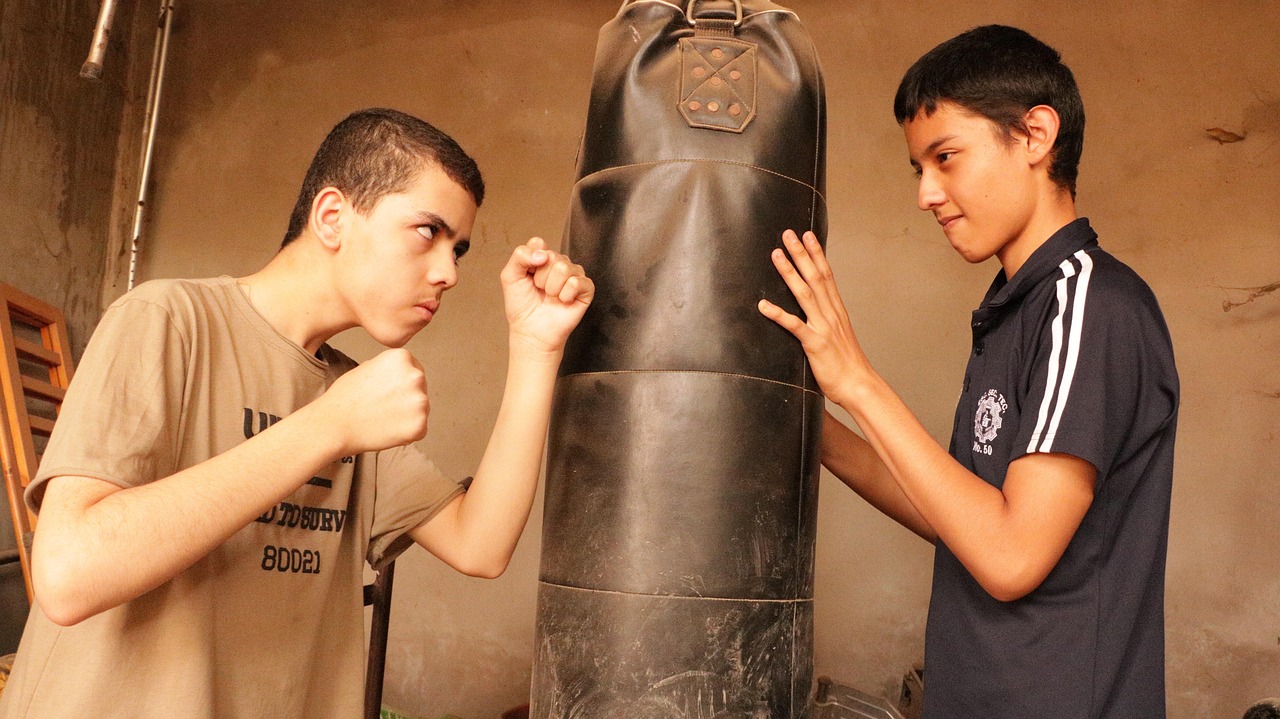
As childhood obesity rates rise globally, innovative solutions are essential to promote healthy habits. Boxing fitness provides an engaging way for youth to stay active, relieve stress, and develop important skills. This physically demanding sport consists of various exercises that improve cardiovascular health, strength, and flexibility. Utilizing boxing techniques, children learn to respect their bodies and understand the importance of fitness. Coaches often emphasize proper nutrition and balanced diets alongside physical training. This combination promotes a holistic approach to health, encouraging youths to make smart choices. Moreover, boxing fitness fosters discipline and resilience in young participants, building character and self-esteem. Children learn how to set and achieve goals, enhancing their focus and determination. Parents can support their children by recognizing those attributes and celebrating milestones in their fitness journey. Group classes and supportive environments also provide an excellent opportunity for socialization. Learning alongside peers instills a sense of community, whereby friendships blossom through shared experiences. Additionally, boxing fitness can become a lifelong passion, influencing better lifestyle choices far beyond childhood. Engagement in this sport teaches youth valuable lessons that extend into adulthood, combating obesity effectively.
Boxing fitness is not just about throwing punches; it involves comprehensive training routines that include conditioning drills, footwork, and technique improvements. These routines often incorporate various cardiovascular exercises such as jumping rope and shadow boxing, making workouts fun and effective. Engaging in these activities helps children burn calories while developing motor skills and coordination. Furthermore, boxing can be tailored to suit different fitness levels, ensuring all participants feel capable and motivated. Knowing they can progress at their own pace cultivates a positive attitude towards exercise. With each session, children witness their improvement, enhancing their self-confidence. Many youths may also discover newfound strength and endurance they never knew they had. This sport encourages them to push their limits, continually finding ways to advance their abilities. Moreover, benefits like increased bone density and enhanced metabolic health are vital, especially during the developmental years. Coaches prioritize safety and proper technique, minimizing the risk of injuries. This emphasis fosters a healthy learning environment where kids feel encouraged to challenge themselves while being cautious. Thus, boxing fitness offers a productive way to address childhood obesity, instilling habits for a healthier future.
The Role of Community Support
Community involvement plays a crucial role in promoting boxing fitness programs for youth. Parents, local organizations, and schools can collaborate to provide accessible and affordable resources for children looking to participate. By creating inclusive programs, community members help to bridge the gap for those who might not have access to traditional sports. Providing scholarships or offering free classes can further enhance participation. Additionally, hosting community events centered around boxing creates excitement and raises awareness about childhood obesity. These events can include exhibitions, amateur bouts, and training demonstrations, showcasing the benefits of the sport. Such initiatives encourage families to explore boxing as an enjoyable fitness option. Furthermore, networking opportunities for local trainers and coaches strengthen instructional quality and program availability. Pursuing certifications in youth sports coaching or nutrition can also build a knowledgeable foundation for these community leaders. These professionals can offer critical insights to families navigating healthy lifestyles. Schools can also consider implementing boxing fitness into their physical education programs, ensuring every child gets involved. Ultimately, this collective effort encourages an overall culture of health, where boxing can thrive as an engaging and competitive outlet for kids.
The impact of technology on combat sports, including boxing fitness, cannot be overlooked in contemporary society. Apps and online training resources make it easier for young individuals to learn about the sport and develop their skills. By offering instructional videos, fitness trackers, and virtual coaching options, technology elevates participation levels. With increased accessibility, children can practice even outside of scheduled training sessions, benefiting from tailored routines that suit their interests and goals. Tracking progress through various platforms motivates youths to push their limits and celebrate small victories. This integration of technology fosters a sense of ownership over their fitness journey. Interactive games related to boxing also appeal to youngsters, effectively combining fitness with digital entertainment. For example, virtual reality boxing experiences can provide engaging workouts while allowing participants to have fun. Parents can encourage this use of technology as a tool for fitness motivation, ensuring children remain active. However, balance is crucial to prevent excessive screen time. Engaging with technology astutely can supplement traditional training methods, creating a well-rounded fitness regimen. With the right approach, boxing fitness can adapt to contemporary trends while still focusing on core principles of health.
Benefits of Boxing Fitness for Mental Health
Boxing fitness extends beyond physical advantages, offering significant benefits for mental health as well. Engaging in regular workouts contributes to improved mood and resilience against stress, which is essential for growing children. As youngsters participate in this sport, they burn off excess energy and release endorphins, enhancing overall emotional well-being. Furthermore, learning boxing techniques cultivates mental discipline, focus, and a sense of achievement. As children acquire new skills, they develop self-efficacy, feeling empowered by their progress. In an era where stressors like academic pressures and peer relationships can overwhelm youths, finding healthy coping mechanisms becomes vital. Boxing fitness provides an outlet for these insecurities, allowing participants to channel frustration constructively. Moving their bodies through powerful movements helps improve their posture, confidence, and social interactions. Coaches often prioritize mental health awareness by fostering an inclusive and supportive environment. Consistent encouragement builds bonds between classmates and mentors, leading to better emotional stability for all participants. Prioritizing mental health in sports, particularly in boxing, helps prepare youth for challenges and builds resilience that extends beyond training sessions.
In addition to the numerous benefits mentioned, boxing fitness encourages accountability, which is essential for personal growth. As children commit to regular training, their sense of responsibility increases, making them more aware of their choices. This newfound accountability spans various aspects of their lives, from academics to relationships. Furthermore, engaging in a structured program helps establish a routine, fostering essential time-management skills. Kids learn the importance of balancing their priorities while dedicating time to fitness. As their fitness improves, so does their self-regulation—making positive life choices based on their well-being becomes more intuitive. Incorporating group workouts can further solidify these principles, as friendships form through common interests and goals. The camaraderie enhances commitment to both the sport and each other. Parents who actively participate alongside their children can deepen these connections, creating family bonding experiences rooted in health. Additionally, this accountability can translate to improved lifestyle choices, including better dietary habits. Ultimately, boxing fitness instills lifelong values while effectively combating childhood obesity and its related issues, ensuring children develop into healthier adults.
Conclusion and Future Directions
As we explore the exciting possibilities of using boxing fitness to combat childhood obesity, the necessity for continuous development and support is evident. Engaging children through an active lifestyle equipped with essential skills and positive experiences paves the pathway to a healthier future. Encouraging community initiatives, technology integration, and prioritizing mental health will all contribute to successful boxing fitness programs. Collaborative efforts between parents, educators, and trainers foster a supportive environment. These aspects are essential to inspire participants and create motivation within the youth. Moreover, ongoing research and data collection exploring the effectiveness of boxing fitness in preventing childhood obesity will be crucial. Understanding success stories can provide invaluable insight into best practices and instructional strategies. As awareness spreads, more youth will embrace boxing fitness as a consistent, healthy activity. Advocating for access to resources and support becomes paramount in ensuring all children have the opportunity to enroll in boxing programs designed to assist in fighting obesity and its consequences. In conclusion, establishing a culture that values fitness, resilience, and community will empower the next generation to prioritize their health and overall well-being through boxing.