
Winter Sports Fitness: Training to Enhance Performance
The world of winter sports is vast and exciting, capturing the interest of adrenaline seekers and recreational enthusiasts alike. As ice fishing and other winter activities become increasingly popular, the focus on fitness training for these sports is paramount. Engaging in these activities not only offers a great chance to bond with friends and family but also provides an excellent opportunity to improve one’s physical fitness. Enhanced performance in winter sports requires specific conditioning, focusing on strength, endurance, and flexibility. Incorporating strength training improves overall power, which is crucial for activities on the ice. Additionally, cardiovascular exercises such as running, cycling, or skiing help develop endurance to withstand the cold and prolonged hours outdoors. Moreover, flexibility routines ensure that the body can handle sudden movements, which are common during ice fishing and winter sports. Developing a consistent training schedule tailored to the demands of winter sports not only boosts physical health but also elevates enjoyment levels and safety during activities. By focusing on these aspects, enthusiasts can enjoy winter sports while significantly enhancing their performance and overall experience outdoors.
As one delves deeper into the realm of fitness training, it becomes essential to understand the specific requirements for winter activities and ice fishing. One key area to focus on is core strength, as a strong core supports balance, stability, and movement control. These elements are crucial when navigating slippery surfaces or handling fishing equipment in cold outdoor environments. Incorporating exercises like planks, Russian twists, and medicine ball throws into a training routine can yield significant benefits for core strength. Additionally, focusing on lower-body exercises, such as squats and lunges, builds muscle endurance, particularly in the legs, which are essential during activities that require sustained efforts. Balancing these lower-body workouts with upper-body training enhances overall functional strength, important for lifting equipment or handling catches. Engaging in stability exercises, such as balance boards or single-leg stands, also improves coordination and agility. Training for winter sports isn’t just about strength; it’s also about technique and skill development. Taking time to align training goals with the specifics of ice fishing or other winter activities can lead to improved efficiency and enjoyment throughout the season.
Nutrition and Hydration for Winter Sports
Nutritional intake plays a vital role in supporting an active lifestyle, particularly when engaging in winter sports. Staying adequately fueled ensures endurance during physical activities and efficient recovery after intense sessions. Consuming a balanced diet rich in carbohydrates, protein, healthy fats, vitamins, and minerals helps improve performance. Carbohydrates should be prioritized as they are vital energy sources during prolonged activities in cold environments. Foods such as whole grains, fruits, and vegetables provide necessary carbohydrates and essential nutrients. Protein intake also becomes crucial, aiding in muscle repair and recovery post-activity. This can be achieved through lean meats, fish, legumes, nuts, and dairy products. Additionally, staying hydrated is essential during winter sports. People often forget to hydrate due to cold weather, but proper hydration supports overall performance. Drinking water or electrolyte-infused drinks helps maintain energy levels and prevent fatigue. Incorporating snacks high in energy, such as protein bars or trail mix, can provide quick sustenance during breaks while ice fishing or participating in other winter activities. Therefore, focusing on nutrition and hydration becomes essential for enjoyable winter sports participation.
When participating in ice fishing and similar winter activities, having the right gear and clothing is also critical to having a successful outing. Proper attire helps to regulate body temperature and provides protection against harsh conditions. Thermal underwear is a must-have base layer, ensuring warmth without excess bulk. Waterproof outerwear is important to keep moisture at bay while enabling freedom of movement. Additionally, wearing insulated boots will protect the feet from frostbite and keep them warm while standing on icy surfaces. Adequate layering is vital to maintain comfort throughout extended periods outdoors. Accessories such as gloves, hats, and neck gaiters also play key roles in preserving body heat. Proper gear not only enhances performance but can also prevent injuries. For instance, using specialized ice fishing tools ensures fishing success while maintaining safety. Investing in high-quality performance gear can prove to be beneficial in maximizing enjoyment and effectiveness during winter sports. The right equipment allows avid enthusiasts to focus on their skills and techniques, fully immersing themselves in the experiences that winter sports have to offer.
Recovery Methods Post-Training
As important as training is, equally crucial is the recovery process after engaging in winter sports activities. Adequate recovery helps to prevent injuries, reduce muscle soreness, and enhance overall performance. Implementing a structured cool-down routine after every training session is essential. Engaging in light stretching and flexibility exercises aids in alleviating muscle tightness and promotes blood circulation throughout the body. Moreover, utilizing techniques such as foam rolling or massage can effectively relieve tension and inflammation that builds up post-activity. These methods not only enhance recovery but also encourage relaxation, which is critical after strenuous efforts. Additionally, incorporating rest days into workout regimes allows the body to recuperate and strengthen. While motivation to train hard is essential, understanding the importance of recovery ensures long-term success. It is also wise to focus on sleep quality. Getting sufficient rest allows the body to recover and rejuvenate effectively. Finally, maintaining hydration levels and proper nutrition throughout the recovery phase supports overall well-being and prepares the body for future training sessions. By addressing recovery, winter sport enthusiasts can ensure they remain active and competitive during the cold season.
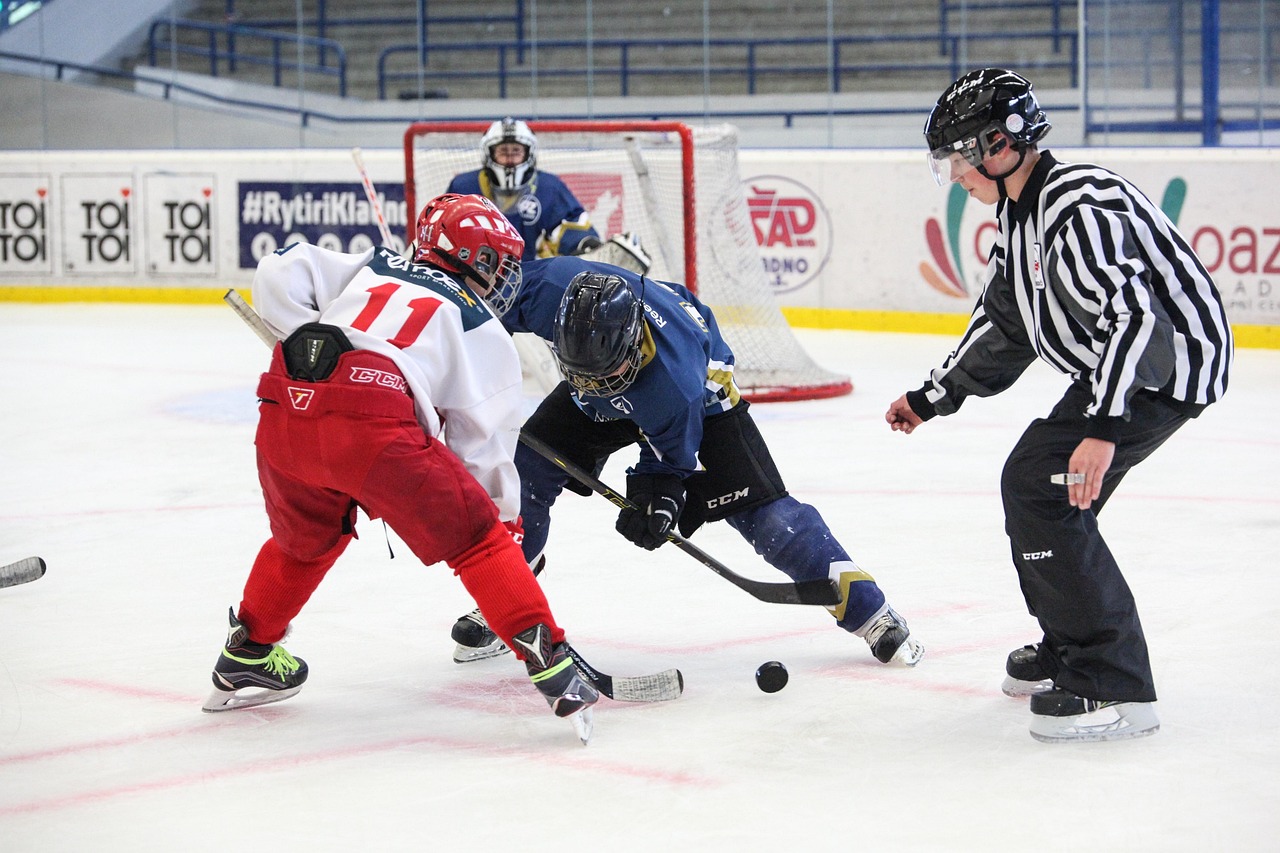
Participating in group activities and classes related to winter sports can greatly enhance both motivation and enjoyment. Many communities offer ice fishing clubs and winter sports events that provide a social setting for enthusiasts. Joining such groups not only allows individuals to share tips and techniques but also fosters friendships with like-minded individuals. The social aspect often encourages regular participation, making it easier to maintain a consistent training schedule. The accountability that comes from being part of a group can help individuals stay committed to fitness goals. Additionally, participating in classes can provide learners with essential skills and techniques that might be overlooked during solo practice. This includes proper casting techniques for ice fishing or learning advanced skating maneuvers for ice hockey. Have fun while engaging with others, elevating the overall experience during winter sports seasons. Moreover, these community-driven activities foster a sense of belonging and instill a lifelong passion for winter sports. Exploring all the benefits of joining sports classes or clubs can serve as a motivating factor, making it easier to stay active during the winter months.
Setting Realistic Goals for Winter Activities
Establishing realistic goals is fundamental to improving performance in winter sports and pursuing enjoyable activities throughout the colder months. Whether individuals aim to enhance their ice fishing technique or improve skiing skills, having specific, measurable, achievable, relevant, and time-bound goals can lead to success. Setting gradual milestones not only helps maintain motivation but also reduces the likelihood of frustration or injury. As enthusiasts progress, they can adjust their goals accordingly, fostering continuous improvement. Additionally, incorporating both short-term and long-term objectives provides a comprehensive framework to assess development. Short-term goals may consist of mastering a particular skill during a training session, while long-term goals might focus on completing a specific winter sports event, such as a timed race. Keeping track of these goals through journaling or app usage can serve as a reminder of progress and impede negative self-talk. Moreover, seeking feedback from coaches or peers can provide valuable insights into performance and guide adjustments. Realistic goal-setting undoubtedly enriches the experience of winter sports, encouraging a positive outlook and sustained progress throughout the season.
In conclusion, enhancing performance in winter sports demands dedication, proper conditioning, nutrition, and recovery strategies. Whether it’s ice fishing or engaging in other winter activities, focusing on these aspects contributes immensely to overall enjoyment and safety. Acknowledging the importance of strength training, endurance, skill development, and flexibility significantly influences performance outcomes. The integration of nutrition and hydration strategies ensures that athletes can perform their best while maintaining energy levels. Additionally, recovery methods and an understanding of the right gear can prevent injuries and increase enjoyment while outdoors. Participating in group activities not only offers motivation but provides a sense of community. Lastly, identifying and setting realistic goals channels efforts toward consistent and fulfilling improvement in winter sports performance. By employing a comprehensive approach that encompasses all these elements, enthusiasts can ensure that the winter season is not just another cold period of the year but a time filled with exhilarating challenges and enjoyable experiences. Cultivating passion for winter sports through dedication and training ultimately leads to lasting benefits. Engage with these activities knowing the efforts will enhance winter sports performance, leaving cherished memories to recall for years to come.