
Common Mistakes to Avoid When Performing Static Stretches
Static stretching plays a vital role in enhancing flexibility and aiding recovery. However, many individuals make errors that can lead to ineffective stretching or even injury. One common mistake is not warming up properly before stretching. Cold muscles are more prone to strains and injuries, so it’s crucial to engage in light aerobic activity before beginning. This increases blood flow, preparing your muscles for a better stretch. Also, holding stretches for an adequate amount of time is essential; many people rush through stretches, failing to hold them long enough to gain benefits. Ideally, you should aim for around 15 to 30 seconds for each stretch. Furthermore, focusing on breath control during stretching is another overlooked aspect. Deep, controlled breaths can relax your muscles and enhance the efficiency of the stretch. Avoid bouncing or using momentum when stretching, as this can lead to muscle tears. Instead, focus on gradual progress in your range of motion. Being mindful of your body’s signals is key; if something feels wrong, stop and adjust your technique. Learning these principles helps you effectively enhance your flexibility while minimizing the risk of injury.
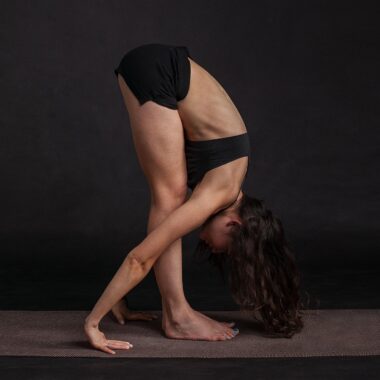
Another frequent error in static stretching involves the incorrect posture during stretches. Maintaining proper alignment is crucial during every stretch to avoid unnecessary strain. For instance, when stretching the hamstrings, rounding your back can lead to lower back pain. Instead, keep your spine neutral to maximize the effectiveness of the stretch. Following this, it’s important to avoid overstretching your muscles. Stretching too far can result in micro-tears that diminish your flexibility rather than improve it. Always stretch to a mild discomfort rather than into pain. Additionally, people sometimes focus only on specific muscle groups, neglecting others. To achieve balanced flexibility, ensure you stretch all major muscle groups. It’s advisable to include a variety of stretches targeting different areas in your routine. Consider the total body approach; stretch your shoulders, chest, hip flexors, quadriceps, and calves, evenly balancing your flexibility. Regularly reassessing your flexibility goals helps track your progress and avoids stagnation. If rigid in a particular area, spend extra time on it while being cautious. Consistency is vital for effective static stretching, so incorporate it into your routine at least three to four times a week.
Listening to Your Body’s Feedback
Pain is a crucial signal from your body indicating you may be overdoing something. Ignoring pain during static stretching can lead to aggravation and injury over time. If you feel pain, take a step back and adjust your position. Stretching should feel like a gentle pull, but never painful. Furthermore, not paying attention to muscle tightness can hinder results significantly. Always check in with your body to recognize which muscles feel tight, and focus your stretches on those areas. Additionally, it’s common to find individuals holding their breath while stretching. Breath is powerful during stretching; focusing on your breathing can help you relax into the stretch. Make a conscious effort to inhale deeply through your nose and exhale through your mouth throughout each stretch. This practice not only helps with relaxation but also enhances oxygen flow to your muscles, aiding recovery. Ultimately, balance between pushing yourself and respecting your body’s limits is vital. Create a stretching routine that embraces both challenge and patience, allowing your body to develop flexibility progressively. Emphasize comfortable and controlled movements that support your body’s natural capabilities.
Incorporating props can be another area where mistakes can occur. While using props such as straps or blocks can enhance stretches, they must be used correctly. Relying too heavily on props can limit your range of motion rather than improve it. Ensure that you’re using props to aid your stretch properly, maintaining proper form and alignment throughout. Moreover, incorporating static stretching too close to workout times can also lead to diminished performance. Stretches performed right before intense physical activity can temporarily decrease muscle power and strength, potentially affecting performance. Instead, consider incorporating stretching after your workouts. This allows your muscles to recover and enhances flexibility without compromising strength or performance. Moreover, don’t forget the importance of hydration for stretching benefits. Dehydrated muscles can become tight and less flexible. Ensure you maintain regular hydration throughout the day, especially before and after your stretching routines. This simple act contributes significantly to muscle elasticity and recovery. Failing to account for hydration is a common, yet impactful mistake many overlook. Remember that flexibility takes time to develop, so consistently follow correct techniques for the best results.
Seeking Professional Guidance When Needed
Many individuals forego seeking professional guidance, thinking they can independently develop their stretching routines. While personal exploration is commendable, a professional can offer tailored advice and techniques. Trainers and physiotherapists can provide customized programs based on individual needs and body types. They can not only guide you in developing effective flexibility routines but also help you avoid pitfalls based on their experience. Additionally, misconceptions abound about the relationship between static stretching and strength training. Some people avoid stretching, feeling it counters their strength gains. However, static stretching, when correctly executed, complement strength training by improving recovery time and flexibility. Incorporating stretching into your strength training programs can actually enhance your performance. Another emerging mistake relates to inconsistently practicing stretching routines. Just like any other fitness component, consistency is key to seeing results in flexibility. Skipping sessions leads to stagnation or even decreases strength. Strong recommendations advocate dedicating at least 10-15 minutes daily to stretching. Even short, frequent sessions can yield significant results. Make a plan that fits into your lifestyle, ensuring regular practice. Lastly, consider keeping a journal to track your stretching sessions to foster accountability.
A relaxed environment is essential for effective static stretching, but many neglect this aspect. Stretching in a distracting environment can impede your ability to focus and relax your muscles. Aim to choose a quiet space with minimal distractions to maximize your stretching potential. Additionally, the choice of clothing can impact your stretching experience. Wearing restrictive or uncomfortable clothing can affect your movements and ability to stretch properly. Select clothing that allows full range of motion; breathable, stretchy materials are best for enhanced comfort. Also, don’t underestimate the role of time of day in your stretching routine. Certain times may work better for individuals based on personal preferences. Experiment with morning vs. evening sessions to discover when your body feels most flexible. Next, integrating mobility work alongside static stretching can yield incredible benefits. Combining dynamic movements with static stretching can create a comprehensive flexibility program. Dynamic warm-ups prepare your muscles before static stretches. Encourage your workouts’ movement fluency and functional strength by incorporating mobility exercises. This combination can drastically improve flexibility while also enhancing performance. Learning from common mistakes can elevate your stretching routines, reinvigorating your fitness journey while securing lasting results.
In conclusion, static stretching is an essential aspect of any fitness regimen, and understanding common mistakes to avoid can greatly enhance your flexibility and effectiveness. From maintaining proper posture to recognizing your body’s signals, each component plays a role in shaping a successful strategy. It is essential to prioritize warm-ups, hold stretches adequately, and use breathing techniques to ensure you gain maximum benefits. Equally important is the awareness of pain and muscle tightness, ensuring you always listen to your body during these routines. The use of props should be strategic, and stretching should be scheduled appropriately for best results after workouts. Considering hydration as a crucial aspect not only supports muscle health, but also aids in performance. Incorporating professional guidance allows for tailored approaches for optimizing flexibility while correcting potential pitfalls. Cultivating a relaxed environment, wearing comfortable clothing, and exploring the relationship between timing and stretching can lead to improved results. Lastly, blending in mobility work enhances flexibility and functional movement. Implementing these corrections into your routine guarantees gradual improvement, facilitating a sustainable path toward enhanced flexibility and well-being.