
Designing a Balanced Basketball Practice Session
Creating an effective basketball practice session is crucial for developing skills and teamwork. Coaches need to structure their practices to ensure that players improve in all aspects of the game, including shooting, passing, and defense. To begin, efficient warm-ups are essential as they prepare players physically and mentally. Consider incorporating stretches, dribbling drills, and light shooting to engage everyone right from the start. Maintaining balance throughout the session will keep players focused and motivated. The introduction of small-sided games can foster competitive spirit while enhancing tactical understanding among players. By limiting the number of participants, players get more touches on the ball and increase their involvement in the activity. During practice, it’s vital to ensure that every drill has a specific purpose. Techniques should be emphasized clearly, enhancing skills such as ball handling or defensive positioning. Diversifying activities can maintain interest, while also allowing for repetition necessary for skill mastery. Coaches should regularly evaluate practice effectiveness, adjusting drills as needed to meet team goals and individual player needs. Every session should conclude with a cool-down to facilitate recovery, reinforcing the importance of physical fitness for improved performance.
Feedback is an integral part of any basketball practice. After every drill or scrimmage, coaches should provide constructive feedback to players. This helps individuals and the team as a whole identify areas for improvement. Positive reinforcement can boost confidence, while constructive criticism will encourage growth. Incorporating a feedback loop ensures that players understand objectives, drills, and game situations better. In addition, setting specific goals for each practice aids focus, allowing players to measure their progress. This can include targets like increasing shooting percentage or executing a certain number of successful passes during practice. To further engage the team, involve players in discussing their individual goals. This encourages ownership and responsibility for their development and fosters a cohesive team environment. Make time for skills competitions within practice to create excitement while working on fundamental skills like shooting and agility. Additionally, consider rotating coaching roles among assistants or even players; this exposes everyone to different perspectives on leadership and strategy. Finally, evaluate your overall practice structure at the end of every session. Gather player input on what worked well and what didn’t. This creates an adaptive learning environment that evolves consistently.
The Importance of Skill Development
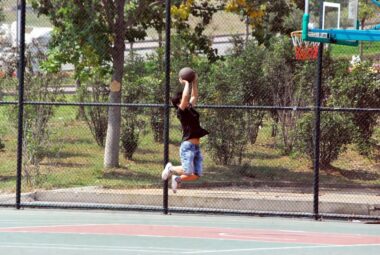
Skill development focuses on improving players’ technical abilities to enhance their performance during games. Coaches should prioritize fundamental skills such as dribbling, shooting, and rebounding throughout practice sessions. A strong foundation in these areas allows players to excel in more complex winning strategies during games. Begin practices by dedicating time to fundamental skill drills. This reinforces crucial techniques that players must master to advance their overall gameplay. Additionally, incorporating situational drills helps players apply skills in game-like scenarios, improving their decision-making abilities. Building confidence in individual skills leads to more effective teamwork, especially during high-pressure situations on the court. Moreover, coaches should introduce progressive challenges. Gradually increasing drill intensity ensures that players continue to grow without becoming overwhelmed. Always remember to celebrate small achievements within skill development. Recognizing improvements boosts morale and motivates players to push themselves further. As players become more skilled, introduce advanced techniques to stimulate their growth continually. This strategy promotes lifelong learning and keeps practices dynamic and engaging. Remember, the goal is to foster a mindset that embraces challenge and growth, encouraging continuous improvement even after mastering fundamental skills.
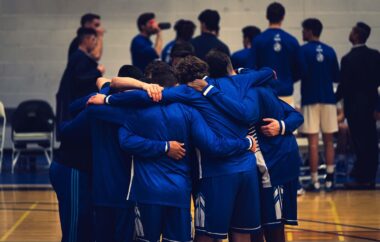
Team dynamics cannot be overlooked when designing a balanced practice session. Successful teams must function cohesively on and off the court. Coaches should focus on building strong relationships, fostering trust, and encouraging communication among players during practices. Team-building exercises can be integrated into practice schedules; they help build trust and strengthen friendships. When players feel comfortable with each other, they are more likely to share strategies openly and support one another in difficult moments during games. Incorporate drills that emphasize teamwork, such as passing drills, where the focus is on assisting rather than individual performance. These drills can highlight the importance of making the extra pass for a better shot. Practicing effective communication on the court is essential as well. Encourage players to call out plays and provide feedback during drills. Regularly discussing offensive and defensive strategies can also improve understanding and execution. Setting clear expectations for teamwork and cooperation is crucial in developing effective team dynamics. Hold team discussions throughout the season to reinforce these values and assess progress. Strong communication and connection will lead to improved game performance and a positive atmosphere during practices.
Physical Conditioning and Recovery
Physical conditioning is indeed a crucial component of any basketball practice session, especially for student-athletes. Basketball requires agility, endurance, and strength, which necessitates an integrated approach to strength and conditioning. Coaches should incorporate conditioning drills specifically tailored to the demands of the game. These can include sprinting drills, lateral movements, and plyometric exercises, all of which enhance speed and explosive power. Ensuring that players understand the significance of physical fitness to performance is vital. Discussing injury prevention strategies highlights the importance of conditioning in maintaining a healthy approach to the sport. Attention should also be given to recovery practices during and after each session. Cooling down and engaging in stretching exercises minimize muscle soreness and enhance flexibility, assisting players in their long-term health. Recovery practices such as hydration and proper nutrition should be emphasized. Educating players about the benefits of rest and nutrition ideal for athletic performance encourages them to prioritize their health. Overall, a balanced approach to conditioning and recovery will enhance performance and longevity in basketball. Coaches must remember that athletes cannot reach their full potential without taking care of their bodies and incorporating proper recovery methods into practice routines.
Feedback and evaluation are essential keys for continuous improvement in practice dynamics. Utilizing video analysis during practice sessions allows players to visualize what’s happening on the court. This can enhance their understanding and re-evaluation of their playing styles. Coaches should regularly schedule time for one-on-one reviews with players, discussing individual performance objectives and progress. Setting aside time for these debriefs increases accountability and offers personalized improvement strategies. By fostering an environment for open dialogue, coaches encourage player-led feedback, stimulating mutually beneficial exchanges. Additionally, fostering peer-to-peer evaluations creates a culture where players learn from each other. Coaches should create a practice culture that values reflection and adaptation focused on processes and execution. Establishing specific performance metrics will also help assess improvement effectively. Consider defining team and individual goals for each practice and tracking progress towards those benchmarks. Regularly updating these metrics keeps players motivated and focused while developing their skills in basketball. Ultimately, feedback mechanisms can be transformative, shaping practices to enhance individual and team performance while promoting a culture of evolution and learning. Encourage players to hold each other accountable and regularly reassess goals to stay committed.
Conclusion
In conclusion, designing a balanced basketball practice session requires a multifaceted approach, combining skill development, team dynamics, and physical conditioning. Coaches play a critical role in structuring practices that not only stimulate skill advancement but also build teamwork and sportsmanship. Structuring sessions around player feedback and continual evaluation fosters an environment of growth. Remember to maintain flexibility in practice design, adjusting sessions based on player progress and team goals. Incorporating varied drills will maintain engagement and enthusiasm among players, which is vital for sustained improvement. Always ensure that core principles are reinforced throughout each practice session, from fundamentals to game strategies to recovery techniques. A comprehensive practice plan leads to a stronger team and improved performance during games. Foster a culture of communication where players feel free to express thoughts and ideas about practice. Celebrating each player’s growth while holding them accountable fosters resilience and commitment within the team. A successful practice session is not merely about the drills but also about building a community. With a thoughtful approach, coaches can positively impact their players’ development and inspire a lifelong love for the game of basketball.
In summary, designing a balanced basketball practice session mandates imparting essential skills, promoting teamwork, and conditioning players physically. With consistent effort and thoughtful planning from coaches, players will develop both technically and collaboratively, achieving success on the court.