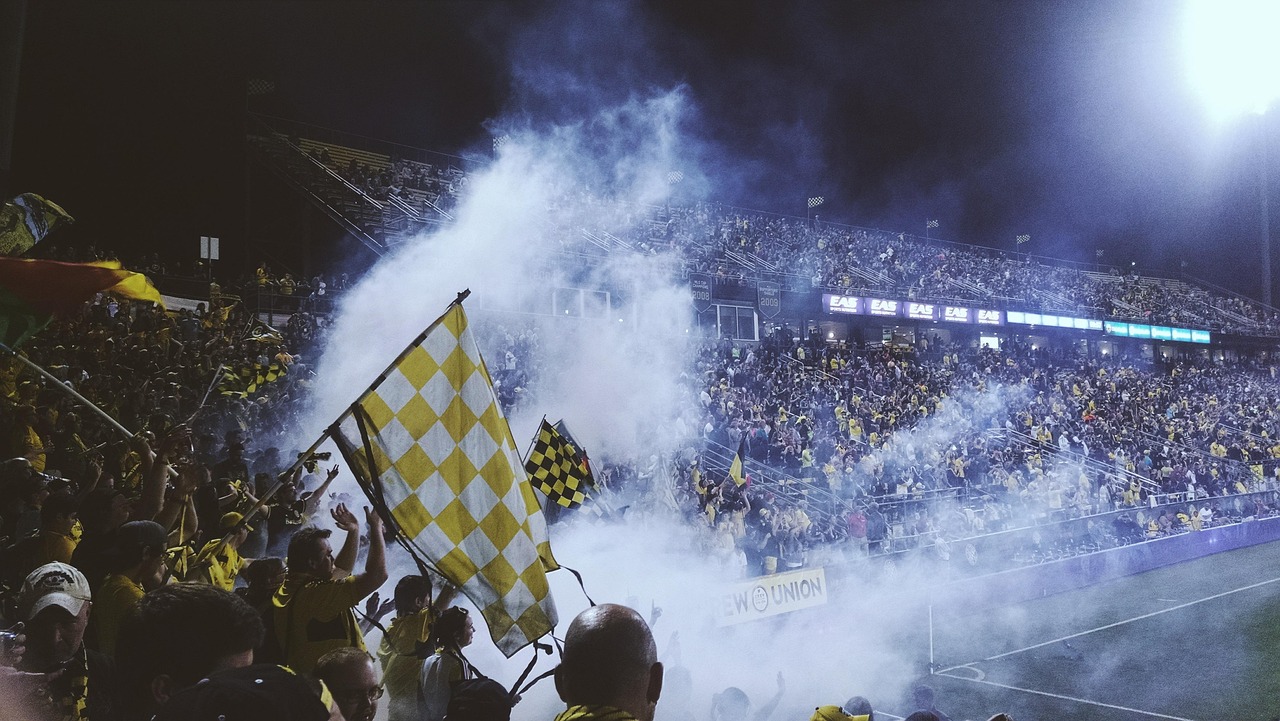

Encouraging Positive Fan Engagement in Sports Communities
Engaging positively with sports fans is essential for creating a vibrant sports culture. Positive fan engagement fosters a supportive environment, promotes loyalty, and enhances the overall experience for everyone involved. When fans understand the impact of their behavior on athletes and fellow supporters, they are more likely to demonstrate sportsmanship. Hence, it becomes crucial to cultivate an understanding of appropriate conduct among fans. Key factors include fostering empathy, understanding the influence of words, and promoting inclusive behavior. Educational campaigns can be effective in guiding fans to reflect on their actions and to appreciate the role they play in the sports community. In turn, this creates an atmosphere where fans feel empowered to contribute positively. Utilizing digital platforms can amplify the reach of these messages, engaging a broader audience and facilitating conversations. Teams and organizations can utilize their social media presence to start dialogues about fair play and respect. Furthermore, support from athletes in sharing their experiences can also drive positive change. Highlighting the importance of kindness, respect, and fair treatment can encourage fans to adopt a more considerate mindset. Through these efforts, a deeper appreciation for sports can flourish, benefiting everyone involved.
The impact of social media on fan behavior is undeniable. Platforms like Twitter, Instagram, and Facebook allow fans to express opinions, share experiences, and engage with their favorite teams. However, this engagement can sometimes lead to negative interactions, such as harassment or bullying of players and other fans. Developing guidelines for respectful communication can help mitigate such issues while promoting positive interactions. Teams can harness the power of social media to send strong messages about their values. Encouraging fans to share stories of good sportsmanship using dedicated hashtags can foster a sense of community. Additionally, highlighting and rewarding positive behavior reinforces the importance of fair play. Examples of fan kindness, such as charitable efforts or sportsmanship displayed during games, can inspire others. Establishing partnerships with influencers in the sports world can amplify these messages, reaching new audiences. Furthermore, using social media for fan-driven campaigns that promote inclusivity can strengthen community ties. This not only leads to better fan relationships but also enhances the overall brand of the team. By embracing the digital landscape responsibly, sports organizations can create a culture where positivity flourishes, ensuring enjoyable experiences for all involved.
Creating Positive Environments through Education
Education plays a critical role in shaping fan behavior, emphasizing the need for programs tailored to promote understanding of ethics in sports. Establishing educational initiatives can be instrumental in instilling a sense of respect among fans. Workshops, seminars, and community events can serve as platforms for discussing vital topics such as fair play, respect, and the impacts of toxic behavior. Providing resources and materials that educate fans about the consequences of negative conduct can lead to more mindful communities. Teaching fans about the history and significance of sportsmanship helps in appreciating what fair play embodies. Involving athletes in these programs can further bridge the gap between fans and players, fostering a community that respects both. Schools and sports clubs should also encourage discussions around fair play, enhancing awareness from a young age. Educators can implement activities that illustrate the importance of ethical behavior, making it relatable to students. Recognizing and celebrating instances of good behavior among fans can also reinforce these concepts. By focusing on education, the sports community can help nurture responsible fans who represent their teams positively, embodying the true spirit of the game.
Moreover, collaboration between teams and fan organizations can significantly influence fan behavior positively. By working together, they can develop initiatives designed to address issues such as disrespectful behavior during games. Involving fans in the creation of these programs fosters a sense of ownership and belonging. Campaigns that encourage fans to sign pledges affirming their commitment to good sportsmanship can serve as reminders of their responsibility. Event-specific activities where fans engage in sportsmanship challenges can also be impactful. Recognizing and rewarding fans who demonstrate exemplary behavior encourages others to follow suit. Additionally, teams can utilize special occasions to highlight positive stories within the fan community. Regular feedback from fans on their experiences is essential to adapt and improve engagement initiatives continuously. Setting up forums where fans can voice their opinions and suggestions fosters a culture of open communication. Moreover, having representatives from various fan groups ensures diverse perspectives are considered. This inclusivity drives home the message that every voice in the community matters. Collaborative efforts extend the reach of positive messaging, creating a cohesive community that embraces ethical considerations and fair play while enhancing the sporting experience.
The Role of Athletes in Shaping Fan Culture
Athletes hold significant influence over their fans and can be powerful advocates for promoting ethical behavior within communities. Their actions on and off the field serve as examples for fans to emulate and hold as benchmarks for sportsmanship. When athletes publicly support positive initiatives, they signal to fans the importance of ethical conduct. Engaging players in outreach programs helps demonstrate their commitment to fostering a supportive environment. Furthermore, athletes sharing their personal experiences regarding fan interactions can foster empathy and understanding. By highlighting stories of encouragement or kindness they’ve experienced, athletes can inspire fans to reflect on their own behavior. Additionally, creating campaigns that feature athletes addressing sportsmanship can enhance message resonance. Athletes utilizing their platforms to combat negativity and celebrate good behavior promotes a culture of respect. Teams should encourage players to participate in community service, showing fans the importance of giving back. Ultimately, promoting a narrative centered around respect and positivity helps shape a more inclusive sports culture. As heroes in the eyes of fans, athletes have the unique opportunity to model the values that define fair play and ethical considerations, influencing the next generation of supporters.
In addition, establishing recognition programs for fans demonstrating positive behavior is a powerful tool for encouraging engagement. By acknowledging fans who exemplify sportsmanship in various ways, teams can promote standards of conduct. For instance, fan awards or acknowledgments during games can highlight exemplary behaviors at events. Recognizing charitable actions, volunteer work, or acts of kindness among fans not only rewards good behavior but also inspires a ripple effect within the community. These initiatives help cultivate pride among fans, increasing their loyalty and commitment to the sporting community. Developing partnerships with local organizations to create volunteer opportunities can further engage fans in constructive activities. Hosting events that allow fans to bond over shared interests, such as charity tournaments or community clean-ups, fosters a sense of belonging. Highlighting the importance of teamwork within the fan community encourages collaboration towards common goals. Encouraging fan-led initiatives not only enhances the experience but also allows fans to take an active role in shaping behavior. Through proactive measures like these, sports organizations can significantly change the narrative, enhancing the integrity of fan culture for everyone involved.
Conclusion: Building a Lasting Legacy of Good Sportsmanship
In conclusion, fostering positive fan engagement is critical in creating sports communities rooted in ethical behavior and fair play. Each initiative aimed at promoting respect and sportsmanship contributes to a healthier environment for fans and players alike. Through education, collaboration, and recognition, sports organizations can nurture fans who understand their impact on the sporting culture. Working together with athletes, teams, and fan organizations offers a comprehensive approach to changing perceptions and behaviors. Moreover, embracing the digital landscape opens doors to innovative ways to connect and engage fans positively. Encouraging open dialogue allows for a better understanding of diverse perspectives, ultimately enriching the community. Building a culture of ethical conduct may take time, but the collective efforts will yield a lasting legacy that benefits future generations. By championing fair play and celebrating good behavior, sports communities can reshape narratives around fandom for the better. Teams and fans can collaboratively create inspiring environments filled with respect, kindness, and encouragement. Thus, ensuring a thriving culture of positivity and integrity becomes the shared goal of all involved, laying the groundwork for future sports at all levels.
With a focus on improving fan behavior, the initiatives described create opportunities for sports communities to flourish. By cultivating these standards of conduct, everyone can contribute positively to the sports culture. It takes the commitment of all stakeholders to foster a respectful and inclusive atmosphere, driving forth the importance of ethical considerations in sports. Thereby, ensuring a bright future where fan engagement is rooted in good sportsmanship, where positive narratives prevail, and where respect for athletes and fellow fans reigns supreme.