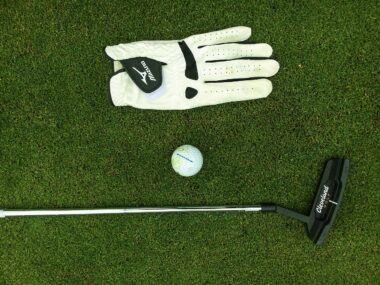

Golf Coaching Equipment: Essential Tools for Trainers
To effectively coach golf, trainers need the right equipment. Essential tools that adapt to various skill levels enhance the learning experience. Golf clubs of different styles and specifications are foundational. They must cater to players’ diverse abilities for maximum progression. Training aids significantly improve technique through practice. Consider tools like alignment sticks, which aid golfers in achieving proper stance and swing direction. These sticks are versatile and can be used on the range or during lessons. Another crucial item is the putting mirror. This innovative tool helps golfers visualize their stroke path and alignment. By working on their putting form with this aid, golfers can see significant improvement. Additionally, having a launch monitor allows for real-time feedback on swing mechanics and ball flight, facilitating targeted correction. Coaches should also utilize video analysis for detailed performance reviews. The visual feedback aids understanding and enhances engagement during training sessions. Lastly, portable nets are beneficial for demonstrating swings in confined spaces. They allow for practice without the requirement of a wide area, making them a must-have for trainers.
Handheld devices can augment your coaching sessions further. Additionally, GPS technology offers valuable insights into course management strategies for players. This technology aids in making informed decisions during play, enhancing overall performance. Professional coaching manuals provide additional guidance on techniques and theories. Investing in literature ensures coaches have updated information to share with their students. Furthermore, training balls, including foam and weighted versions, can help golfers develop effective swing mechanics. These balls are designed for safety and can be used in various settings. Practical tools create an improved atmosphere for individual practice or group coaching. Engaging students through gamification accelerates learning in fun and interactive ways. Items such as challenge cones and targets create a competitive spirit. Tracking progress with calendars or apps keeps students motivated towards achieving their objectives. A well-structured plan can unleash potential focusing on skills development. Golf shoes designed specifically for practice sessions also enhance comfort for prolonged wear. Comfort directly influences performance enhancing the overall coaching experience. The right equipment can dramatically change a trainee’s outlook on training and the sport itself. Investing in quality items ensures long-term benefits.
Training Aids for Skill Improvement
Various training aids play a significant role in golf coaching, enabling players to develop essential skills. One popular aid is the swing analyzer, which gives real-time feedback and statistics about swing speed and angle. This information is crucial for identifying areas needing improvement and tracking progress over time. Another valued training tool is the chipping net, designed to help golfers hone their short game skills effectively. Working on chipping accuracy can drastically lower a player’s score. Like putting, chipping has a profound impact on overall performance. Additionally, the use of weight training equipment, such as resistance bands, can improve strength and flexibility. Strengthening muscle groups that are used while golfing ensures more powerful and consistent swings. Coaches can integrate these exercises into their training regimen for complete athlete development. Moreover, using foam rollers can aid in muscle recovery and promote flexibility, critical for any serious golfer. As with all training aids, consistency leads to mastery. Maintenance of a regimen using these tools can produce visible results in a relatively short time. Golf coaching is as comprehensive as the tools available to the coach and player alike.
Among the most effective coaching approaches is individualized feedback. Coaches should understand each student’s unique strengths and weaknesses. Utilizing tools that aid in personalized instruction is crucial for effective learning. Digital tools like swing analysis programs can provide detailed output for each lesson. This software can break down swing mechanics and compare them against professional standards, allowing players to see their progress visually. Having access to such sophisticated technology helps foster a better learning environment. Moreover, the introduction of assessment systems can aid in setting specific goals. Coaches should implement a framework where performance metrics are recorded regularly. This data-driven approach enhances accountability among players. Fostering discipline and focus within training sessions can lead to dramatic improvements. After students set clear benchmarks, both coach and player can work collaboratively towards these goals. Offering constructive feedback helps students feel supported in their journey. Engaging players in discussions about improvement enhances their involvement and investment. In coaching, the personal touch makes all the difference. Establishing a rapport with students encourages them to communicate openly about challenges faced during practice.
On-Course Equipment
Equipping yourself for on-course coaching presents unique challenges. Using proper gear is vital for safety and effectiveness. A portable teaching platform is advantageous for demonstrating techniques directly on the course. For instance, using instructional markers can outline effective strategies for club selection and shot execution. By visualizing options while playing, students establish better decision-making skills. Moreover, having a personal first aid kit is wise because safety is paramount during outdoor activities. Accidents can happen, and being prepared ensures everyone stays safe while learning. Additionally, having extra golf balls on hand for practice is essential for spontaneous sessions. Incorporating real game scenarios creates a dynamic coaching experience. Golf-specific GPS devices enhance on-course coaching by providing data on distance and shot accuracy. Such tools offer an enhanced understanding of course management, contributing positively to gameplay strategies. Coaches can draw on this information to guide students toward smarter play. Lastly, utilizing portable training devices like putting mats emphasizes learning techniques on the course. These mats are compact and allow practice during breaks.
In conclusion, essential tools for golf coaching extend beyond traditional equipment. Coaches must adopt a holistic approach, integrating various aids to enhance learning. Quality equipment, such as swing analyzers, putting mirrors, and alignment tools make a substantial difference in player development. Specialized coaching manuals and training resources should continually be available for reference. Regular feedback and personalized coaching strategies allow students to stay engaged throughout their journey. Coaches must place emphasis on effective communication and rapport-building with their students. Discussing areas for improvement openly benefits both parties. As players become more aware of their strengths and weaknesses, their involvement increases. Additionally, on-course coaching equipment provides insights and aids in practicing strategies. Technology offers avenues for innovation in coaching, leveraging feedback to refine gameplay. Coaches should embrace digital analysis tools and reinforce learning through practical application. Lastly, maintaining a safe and conducive environment for training is essential. Prioritize the well-being of students while nurturing their golfing aspirations. Investing in the right tools and fostering an engaging coaching atmosphere can lead to lasting success.
Knowing when and how to incorporate unique devices enhances golfing skills tremendously. Every tool serves its purpose towards developing a player. Optimization of training environments maximizes potential. Golf instructors can create lesson plans specifically tailored for students through careful analysis of the tools available.
Coaches also encourage students to explore their methods of practice, promoting an independent learning experience. With suitable equipment and resources, golfers have every opportunity to excel in their game. Proper training leads to higher confidence levels on the course, integral to performance.