
Navigating Crevasses and Other Snow Hazards
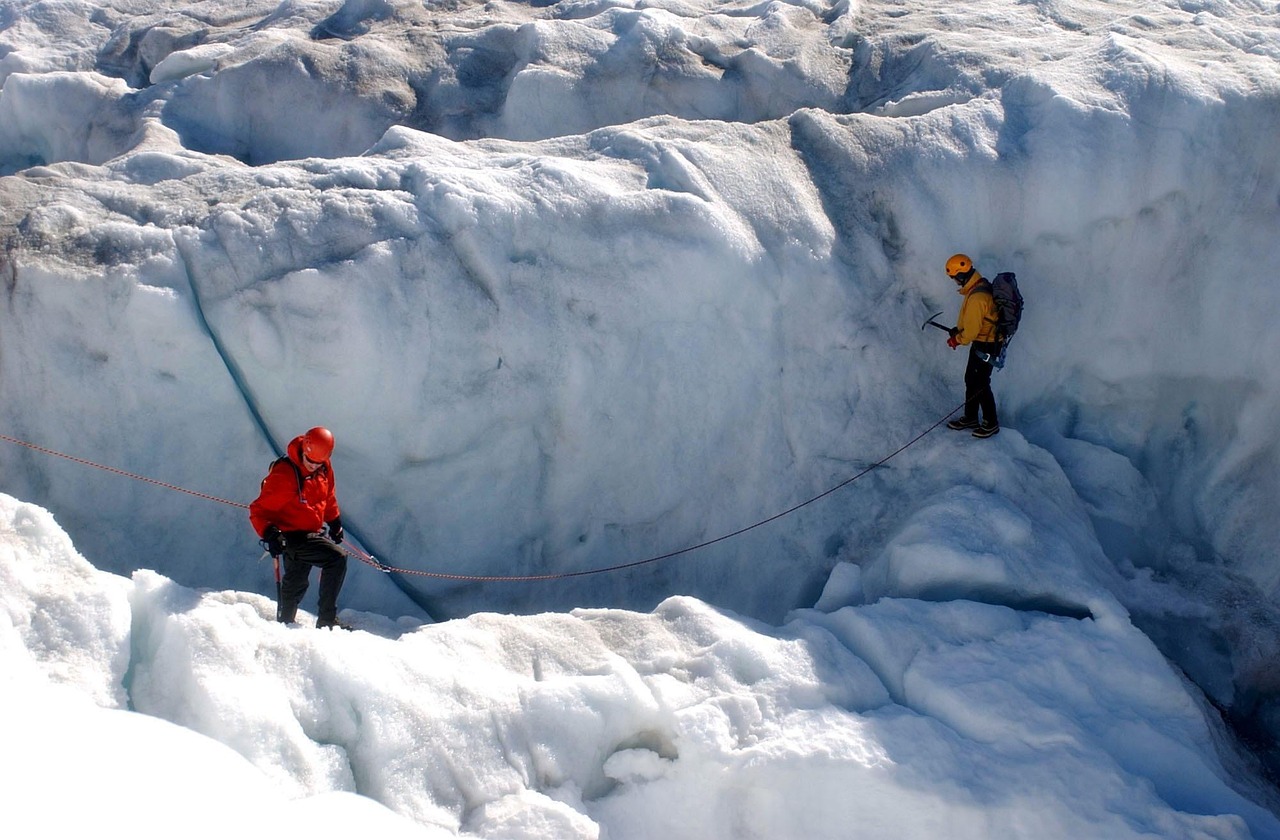
Winter sports enthusiasts embarking on snow and ice climbing adventures face numerous challenges, particularly navigating crevasses and other hidden dangers. Crevasses are deep cracks in glaciers and snowfields that can range from small fractures to massive chasms. These perilous openings may appear harmless, but they can pose grave risks. To safely traverse these areas, climbers must first understand what causes these formations. Frequent environmental factors, such as temperature fluctuations, can create dangerous conditions. This serves as a reminder to receive adequate training to recognize these hazards. Preparing properly includes gathering the right equipment like ropes, harnesses, and crampons. Additionally, consider using a rope team system that allows for safer navigation across snowfields. Always pay attention to the weather, as conditions can change suddenly. Regularly assess the terrain and communicate effectively with team members. A proactive approach minimizes risks and enhances overall safety in unforgiving winter terrains. Remember to remain vigilant and employ technique strategies like careful foot placement and situational awareness during your expeditions. Staying informed about mountain conditions is key to successfully navigating the beauty and peril of winter environments, ensuring the safety of all climbers involved.
Cresting the mountain’s summit brings climbers to higher altitudes where sudden changes are prevalent. Glacial ice formation presents additional challenges. Unstable ice can lead to shifting crevasses, emphasizing the need for cautious movement. Observing your surroundings is also crucial: look for signs of shifting ice or snow. Never hesitate to rely on your team’s expertise when navigating areas filled with these hazards. Innovative tools such as crevasse rescue devices should be an integral part of your gear. Always familiarize yourself with their use before heading into the wilderness. Effective communication is vital to safety; adopt clear signals for situations that may arise unexpectedly. Educating your team on crevasse awareness can prevent accidents, so group conversations should be held before the climb. Plan for potential challenges by discussing possible routes, led by experienced climbers. Staying alert to other climbers’ actions can aid in avoiding dangerous areas. Should you encounter a potential hazard, it’s essential to maintain composure and communicate any concerns. Each climber should understand the importance of assessing risks. Well-prepared teams are better equipped to face the unpredictable nature of snow-climbing excursions.
Choosing Appropriate Gear
Choosing the right gear is crucial for safely navigating snowy terrains. Consider investing in an ice axe, which serves multiple purposes, including arresting falls and climbing steep slopes. Select crampons that fit securely on your boots, providing crucial traction on icy surfaces. When assessing the right climbing rope, pay attention to its durability and appropriate length. A sturdy harness is also essential; it should fit comfortably while allowing for easy adjustments. Ropes should have a reliable braking system integrated as well. Additionally, opt for snow stakes or anchors for safer anchor points during rescue scenarios. Portable avalanche beacons worn by each climber increase safety, allowing for quick location if an avalanche occurs. Avalanche safety gear including probes and shovels should also be readily accessible. Furthermore, gear maintenance is essential; regular checks can identify wear and tear that can compromise safety. Always conduct equipment drills before the climb to reinforce handling techniques. Staying informed about advancements in climbing gear can improve your approach to snow and ice climbing. By ensuring that your gear is up to date and effective, you create a safer environment for your climbing team every time you venture out.
Another critical element in navigating snowy landscapes is understanding snowpack conditions. Snow stability plays a significant role in determining whether a climb is feasible. Perform snowpack assessments by examining layering and consistency, as areas of weakness can lead to unpredictable avalanches. Knowing when to turn back is integral to climbing safety, as even experienced climbers can misjudge conditions. It’s essential to continually monitor changes after starting your climb, as weather can rapidly deteriorate. Learn the indicators for unstable snow, such as recent snowfall or warming temperatures. Nearby skiers and climbers can also offer insights, so don’t hesitate to ask about conditions. On days when conditions worsen, avoiding risky routes is preferable. Utilizing avalanche warning channels can keep you informed about current and potential hazards. Additionally, maintain a personal log to document conditions experienced during previous climbs for future reference. This practice can enhance your decision-making skills for subsequent climbs. Continuing education is key; consider attending training camps focusing on avalanche awareness and safety strategies. Remember that staying educated on these conditions is vital for both personal and team safety.
Emergency Preparedness
Every snow and ice climber should have a comprehensive emergency plan in place before embarking on climbs. Prepare for adverse weather conditions or potential accidents by familiarizing yourself with essential wilderness first aid. Basic training in first aid can greatly aid in managing injuries that may arise. Each member of the climbing team should carry an emergency kit equipped with necessary supplies. Include items like bandages, antiseptics, and a whistle for signal calls. If a climber falls unexpectedly into a crevasse, a well-practiced rescue plan is vital. Conduct mock rescue sessions to ensure all members are comfortable with their roles during such emergencies. Practice using crevasse rescue gear and rescuing techniques as part of your preparation routine. Understand team dynamics during emergency scenarios; clarity in communication can save precious time. Establish designated leaders to handle emergencies efficiently. Above all, foster a team culture that prioritizes safety and preparedness over bravado. Rely on established protocols to guide decisions should emergencies arise while out on expeditions. Experience and planning contribute to a safer climbing experience, allowing exploration while minimizing risks associated with these adventurous sports.
The role of the weather cannot be underestimated in winter sports activities. Snow and ice climbing inherently comes with risks due to fluctuations in climate. Monitoring weather reports before and during your climb allows for timely adjustments in your plans. Additionally, be aware of localized conditions that may worsen even on seemingly clear days. Visual cues, such as increasing cloud cover, might signal an impending storm. Being conscious of these changing dynamics can be crucial. Consider using weather apps designed for mountain climbing. These apps can provide real-time updates relevant to specific geographical locations, improving safety decisions. However, technology should not replace instinct and experience. Always have backup plans should conditions become unfavorable; this can mitigate the potential for accidents. Mountain peaks can also generate their own microclimates; thus, rely on weather patterns unique to your area. As winter sports gain popularity, understanding snow and ice conditions becomes even more critical. Respect nature and limit exposure by keeping expeditions to reasonable lengths. Remaining adaptable while climbing helps maintain safety as conditions evolve.
Conclusion
In conclusion, navigating crevasses and other snow hazards requires extensive knowledge, preparation, and respect for the environment. Effective teamwork and communication are as essential as individual skills. Each climbing session should entail a careful assessment of both team and equipment readiness. Remember, the thrill of venturing into winter environments hinges on responsibility and safety. By promoting awareness of snow hazards, climbers can significantly decrease risks. When challenges arise, a well-prepared team can capitalize on training and practice while ultimately enjoying these breathtaking landscapes. Educating others on the risks associated with snow climbing also fosters a culture of cautious adventuring. Lessons learned through experience can be invaluable, guiding newer climbers. Continue to seek opportunities for professional training and firsthand learning experiences. Explore guided trips led by experienced climbers; these can enhance safety and provide valuable insights into mountainous environments. The focus should always remain on safe exploration while pursuing the excitement of winter sports. Respect the power of the mountains and prepare adequately for every endeavor in these magnificent terrains. With vigilance, knowledge, and planning, your winter sports experience can be both thrilling and safe.
Winter sports enthusiasts embarking on snow and ice climbing adventures face numerous challenges, particularly navigating crevasses and other hidden dangers. Crevasses are deep cracks in glaciers and snowfields that can range from small fractures to massive chasms. These perilous openings may appear harmless, but they can pose grave risks. To safely traverse these areas, climbers must first understand what causes these formations. Frequent environmental factors, such as temperature fluctuations, can create dangerous conditions. This serves as a reminder to receive adequate training to recognize these hazards. Preparing properly includes gathering the right equipment…