
Success Stories: Seniors Who Transformed Their Lives with Calisthenics
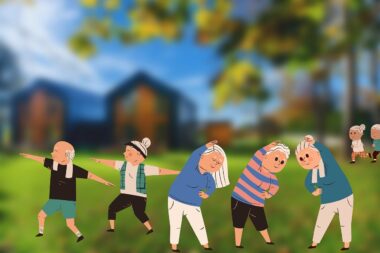
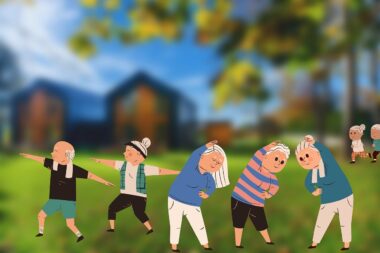
Calisthenics is more than just exercise; it’s a powerful tool enabling seniors to reclaim their vitality and strengthen their bodies, even at advanced ages. Many older adults face challenges such as decreased mobility and strength, leading to a more sedentary lifestyle. However, the transformation stories are inspiring. For instance, Harold, a 72-year-old retiree, never imagined he could perform push-ups and squats until he started a calisthenics routine with his peers. Over six months, he was amazed at how much stronger he felt. The benefits of these workouts extend beyond physical improvements. Participants often report increased energy and reduced stress levels. Regular engagement in calisthenics fosters social connections as seniors often collaborate in groups, encouraging each other through various routines and exercises. Group activities not only build community but also create a supportive environment where seniors can motivate each other as they progress in their fitness. Calisthenics uniquely enhances flexibility and balance, critical aspects for maintaining independence in everyday activities, showing that it truly is never too late to become your best self.
Real-Life Transformations
Another powerful story is that of Mary, a 68-year-old grandmother who was hesitant to try calisthenics due to fear of injury. However, with guidance from a certified trainer, she learned appropriate modifications suited to her fitness level. After consistently practicing a gentle routine tailored for seniors, she experienced significant improvements not only in strength but also in confidence. She reports feeling more active and capable than she ever thought possible. This empowerment led her to try even more activities, such as hiking and dancing. Such experiences highlight how calisthenics can vastly contribute to psychological well-being, as users break personal barriers and challenge themselves. Many seniors express newfound liberation through movement. Alongside physical changes, they often find that they connect deeper with their families, sharing joyful moments. These changes create meaningful connections, fostering an environment of inclusion and respect as families rally around their active loved ones. A survey among seniors participating in calisthenics demonstrates high satisfaction rates, and many plan to continue their workout regimens beyond structured programs, which indicates lasting lifestyle adjustments.
In addition to Mary and Harold, we see detailed testimonials from numerous seniors who highlight their victories in calisthenics; some even competed locally. Susan, now 75, shares how she started calisthenics to avoid joint surgery and help maintain her mobility. After her first weeks, she was delighted by her improved muscle tone and ranges of motion. More surprisingly, she found relief from her arthritis symptoms, allowing her to enjoy gardening again with her grandchildren. Susan’s experience illustrates how calisthenics not only promotes fitness but also enhances quality of life. Adjusting exercises to low-impact forms ensures a safe environment for seniors with different levels of ability. Enthusiasts appreciate the diversity of calisthenics; they can perform various workouts at home or join classes at community centers, maximizing accessibility. Furthermore, seniors can enjoy calisthenics in parks, connecting with nature and enjoying sunlight, which is beneficial for mental health. Another participant, James, credits calisthenics for his ability to travel extensively. He gains strength through daily practices, enabling him to hike various terrains, which he long considered impossible.
The Importance of Community Support
Community involvement plays a crucial role in the success of seniors participating in calisthenics programs. Support groups build camaraderie, fostering both friendships and a commitment to physical health. Calisthenics promotes engagement through shared activities, including group classes and local events. Many participants find themselves motivated by friends and peers who inspire them to attend workouts regularly. This interaction also cultivates accountability, as seniors often partner up for exercises. Signing up for classes together sparks excitement and appears more enjoyable compared to solitary workouts. Local fitness programs aimed specifically at seniors are expanding, and many feature calisthenics workshops that emphasize fun as a vital component of fitness. Wendy, aged 66, loves going to her weekly classes where she meets with fellow seniors who share similar goals. These moments of laughter and motivation are instrumental in the success of their journeys. Such supportive settings enable seniors to appreciate the challenge of calisthenics, encouraging them to overcome their fears of injury while actively working toward improved health and fitness. As a result, it cultivates greater overall well-being while forging connections between participants.
To foster a culture of wellness, communities are leveraging calisthenics as part of broader health initiatives. This promotes physical activity not merely among seniors, but spans across all generations, emphasizing inclusivity. These programs must prioritize safety. The integration of instructors knowledgeable in body mechanics assures that more seniors join, paving the way for safer practices. Financial support from local governments or health organizations allows seniors access to resources such as trained instructors and appropriate facilities. Working closely with fitness experts helps in tailoring routines that accommodate varying fitness levels. Furthermore, these trainers can monitor progress, providing feedback and motivation. Janet, aged 70, eagerly attended classes, noting how investments in calisthenics changed her life. She quickly regained strength and endurance thanks to trainers. In her words, she found, “Calisthenics reintroduced me to my body, allowing me to be more active, engaging in activities I love.” The collective benefits are immense not only for individuals but for enhancing accessibility across communities. Encouraging more seniors to partake can change the landscape of health in aging populations.
Conclusion: A Path to Longevity
As experts emphasize, meaningful participation in physical activity dramatically improves well-being in aging populations. The success stories of seniors engaging in calisthenics reveal incredible transformations, inspiring many others to follow suit. With impactful changes such as improved balance, strength, flexibility, and overall energy levels, seniors discover their hidden potential. Fun and customizable nature makes calisthenics approachable for all. As fitness redefines boundaries, those once perceived as limitations dissolve, paving the way to new adventures and lasting friendships. Calisthenics facilitates a fitness revolution among seniors, making significant strides towards fostering not only healthier individuals but entire communities that thrive together. With a growing infrastructure focusing on inclusive activities coupled with consistent community support, we can ensure that seniors remain flexible, strong, and most importantly, engaged. Inspirational stories from individuals motivate others to jump into fitness and embrace healthier lifestyles. As these transformative stories continue to spread, it is irrefutable that seniors desiring change and seeking vitality through calisthenics can embark on meaningful journeys, proving that they can indeed transform their lives at any age.
Although challenges remain, the strength shown by seniors worldwide illustrates their resilience. Continued education on calisthenics, access to safe spaces, and ongoing encouragement will empower everyone. Local groups or family members can advance community initiatives, ensuring that seniors feel supported and motivated throughout their health journeys. When armed with the right tools, seniors can engage in remarkable transformations while connecting with others who share their aspirations. Such encouragement fosters unity, and organizations should work to bridge gaps and support accessibility to programs like these. The world of calisthenics has opened doors for seniors, allowing them to live more fulfilling lives. As they prioritize staying active, seniors validate the power of fitness. Challenging society’s misconceptions about aging, they show that vitality and health status are lifelong pursuits. There’s no doubt that seniors are capable; they simply need platforms showcasing their extraordinary capabilities. As we advocate for health and longevity, we should ensure that everyone can embark on their fitness journey, no matter their age, paving the way for a future filled with immense potential in every stage of life.
In conclusion, the engaging success stories of seniors in calisthenics remind us that transformation knows no age limit. They inspire not just themselves but everyone around them, demonstrating that it’s never too late to prioritize health and wellness. Each shared experience brings fresh insights, reinforcing the idea that perseverance and community support amplify success. Seniors once hindered by self-doubt now advocate against stereotypes and propel themselves toward achievements. Their voices echo through communities, presenting models for active lifestyles and longevity. Furthermore, it reveals a spectrum of capabilities; there exists an immense pool of untapped potential waiting patiently to be discovered. Calisthenics helps mold these narratives into tales of triumph. As society listens to these stories, we find collective motivation to engage in physical activity, inclusiveness, and to prioritize mental health as equally essential. Challenging age-based barriers, seniors teach us to value every moment. Creating spaces that nurture growth, friendship, and wellness is paramount. By spreading the word about calisthenics for seniors, we can initiate movements that encourage everyone to sustain vitality throughout their journeys, reminding us that life is indeed an ongoing adventure.