
The Impact of Mental Recovery on Boxing Performance
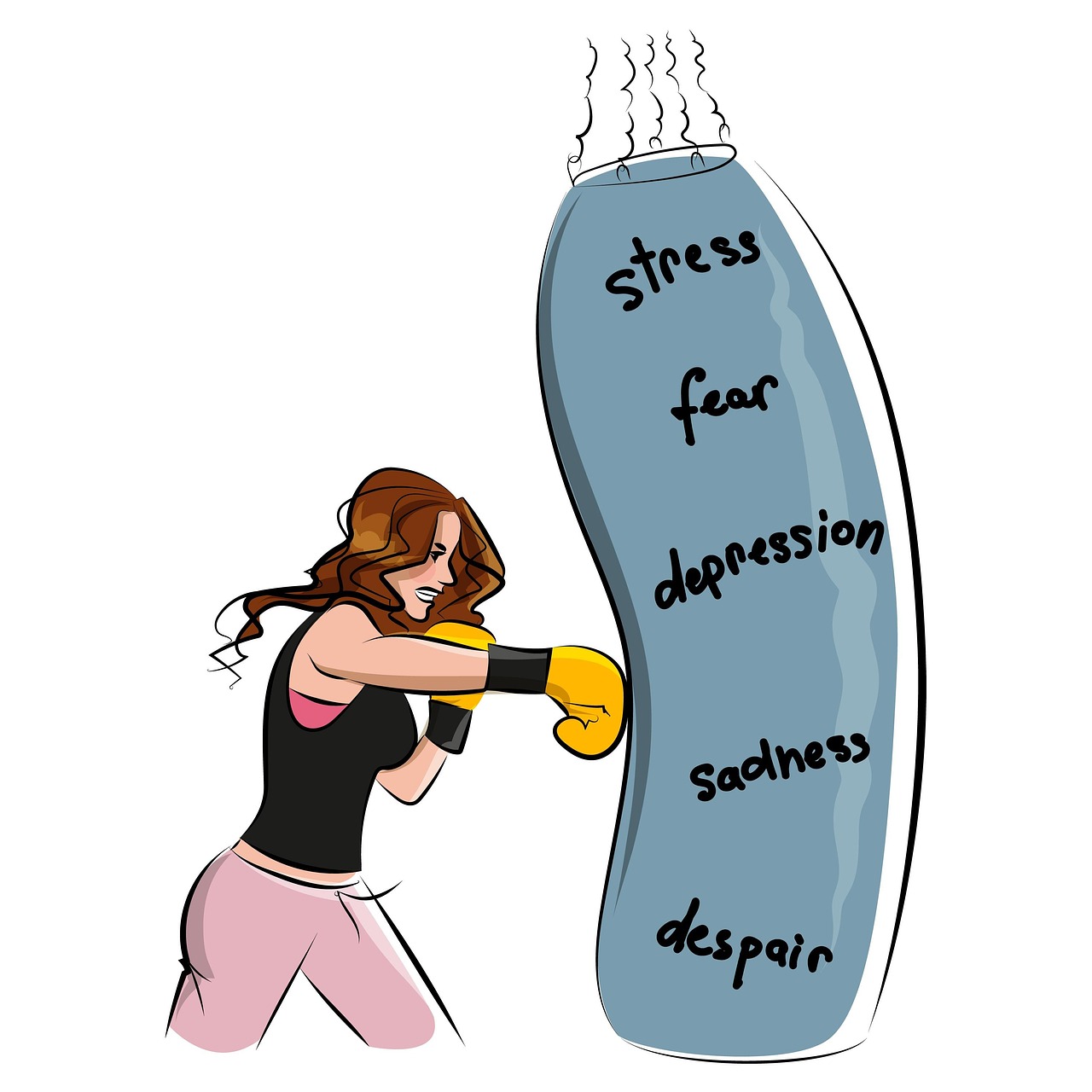
Mental recovery is often overlooked in the world of boxing, where physical prowess predominates discussions. However, mental recovery plays an integral role in enhancing overall performance. Boxers encounter substantial psychological pressures, including anxiety from competition and the stress of intense training. Techniques such as visualization can significantly aid recovery by promoting a positive mindset. By systematically imagining successful outcomes, athletes place themselves in the right mental frame. Engaging in mindfulness practices like meditation can further help boxers manage stress and anxiety, allowing improved focus. It helps athletes separate their training from the pressures of an upcoming bout. Recovery days provide essential downtime to rejuvenate both the mind and body. Incorporating proper mental recovery techniques can lead to better performance during bouts, as athletes who adopt these strategies experience heightened confidence and reduced anxiety. Tailoring mental recovery practices to individual needs allows boxers to maximize their conditioning and preparation. Thus, focusing on mental recovery should be as crucial as physical training in a boxer’s regimen. Emphasizing this balance might just provide the key to winning in a sport that demands both mental fortitude and physical excellence.
Alongside physical recovery, mental health remains a vital focus in a boxer’s training routine. The mental strain of prolonged training sessions or rigorous sparring can lead to burnout. Boxers need to recognize the symptoms of mental fatigue, which can manifest as irritability or decreased motivation. Resting both mind and body helps to restore mental energy, creating opportunities for fresh performance. Cognitive Behavioral Therapy (CBT) can also be implemented to help boxers deal with pressures from competition. By reshaping negative thought patterns through professional guidance, athletes can fortify their resilience. Furthermore, discussions with seasoned coaches or sports psychologists can lead to personalized mental recovery techniques tailored for unique needs. Journal keeping can help athletes reflect on their emotions and experiences, offering clarity about their mental state. Additionally, establishing routines such as adequate sleep and relaxation can significantly enhance recovery. Mental health benefits from social support should not be disregarded, as friends and family contribute to an athlete’s overall well-being. Cumulatively, understanding and implementing mental recovery techniques creates a well-rounded boxing approach, emphasizing that behind every champion is a resilient mind ready for challenges.
The Role of Meditation in Boxing Recovery
Meditation serves as a powerful tool in boxing recovery, encouraging athletes to enhance mental clarity. By embracing meditation, boxers refine their focus and enhance personal awareness. Regular practice cultivates the ability to stay calm under pressure, which is paramount during tense matches. Breathing exercises can further augment this aspect by teaching athletes to control physiological responses during high-stress scenarios. Boxers can incorporate meditative practices post-training or competition, effectively cooling their minds after intense exertions. It’s highly beneficial in transitioning from the physical demand of training back to daily life. Moreover, engaging in guided imagery helps boxers visualize achieving their goals. Such practices breed confidence and instill a sense of peaceful resolve before entering the ring. It’s important to create a designated space for meditation; this ensures consistency in practice. Journaling the meditative experiences can provide insights into progression over time. In a world filled with distractions, the simplicity and structure of meditation stand out. Establishing a meditation routine reinforces the boxing commitment, illustrating that recovery is multifaceted and requires mental, emotional, and physical attention. This interconnectedness ultimately translates into improved performance in the ring.
Boxers also benefit from prioritizing their sleep as a fundamental recovery technique. Sleep is essential not only for physical rejuvenation but also for cognitive functions. Quality sleep aids in processing training and learning new techniques, reinforcing muscle memory. It’s during periods of deep sleep that hormone levels balance, supporting recovery and development. Boxers should aim for 7 to 9 hours of sleep nightly to enhance performance. Establishing a bedtime routine can signal to the body that it’s time to wind down. Reducing screen time and engaging in relaxing activities encourages better sleep quality. Additionally, naps can serve as powerful recovery tools when utilized correctly, refreshing energy levels without disrupting nighttime rest. Sleep deprivation leads to detrimental effects such as poor performance and lengthy recovery times. Recognizing the vital nature of restorative sleep will ultimately aid boxers in achieving their goals. Being proactive about sleep hygiene contributes to overall well-being, enabling athletes to balance different demands of their sport. Ensuring a restful environment and utilizing techniques to induce deeper sleep are steps all boxers should prioritize to reap lasting benefits.
The Importance of Support Systems
No boxer can achieve peak performance without a robust support system in place. Mental recovery is often enhanced through encouragement and understanding from coaches, family, and fellow athletes. A supportive environment promotes open communication about stressors in the sport, enabling athletes to share feelings and worries. Such a culture reduces feelings of isolation and allows for relevant advice to be shared. Additionally, engaging in peer feedback mechanisms enhances personal growth and performance awareness. Boxers should surround themselves with individuals who foster positivity and constructive criticism. Partnering with teammates for training can alleviate competitive pressures while enhancing comfort during drills. Educational workshops or family involvement also cultivate a comprehensive support network. Socializing outside of training promotes a well-rounded lifestyle, while emotional outlets enhance resilience in athletes. Friends and family members that celebrate victories offer essential motivation. This balanced approach ensures boxers have the emotional fuel needed amid the demands of rigorous training schedules and competition. Thus, a well-functioning support system becomes foundational in the journey of every boxer, nurturing both mental and emotional resilience that translates well into the ring.
Nutrition further intertwines with mental recovery, playing a vital role in a boxer’s overall performance and psychological state. Proper nourishment fuels the body and nourishing the mind can impact emotional well-being. Consuming a balanced diet rich in essential nutrients supports cognitive functions. Foods high in omega-3 fatty acids, antioxidants, and vitamins contribute to improved focus and mood. Staying hydrated is equally essential; dehydration affects both physical endurance and cognitive clarity. Adequate nutrition stabilizes energy levels, allowing boxers to maintain consistency in training regimens. A collaborative relationship with nutritionists can identify individual dietary needs critical for both performance and recovery. They can craft meal plans that align with training schedules and mental demands. Implementing frequent, smaller meals throughout the day can offer sustained energy. Supplements may also serve an important role; however, they should be evaluated with professional guidance. All these dietary considerations culminate in an optimal recovery experience. The integration of nutrition into the training plan reinforces the importance of whole-person health. As boxers acknowledge the relationship between what they eat and their mental clarity, they can leverage this knowledge for enhanced performance in the ring.
Conclusion: Balancing Mind and Body for Optimal Performance
In conclusion, mental recovery techniques are essential in optimizing boxing performance, alongside physical recovery methods. A holistic approach that emphasizes the combined efforts of mind and body will foster enhanced resilience and success. Integrating practices such as meditation, proper sleep, social support, and nutrition creates a well-rounded recovery strategy for every boxer. Recognizing that mental fortitude directly correlates to physical prowess empowers athletes to prioritize their mental health. Engaging in constructive dialogue within their support systems encourages open discussions about mental hurdles. Thus, boxers can adopt strategies that provide mental clarity, focus, and a positive approach toward themselves. Ultimately, the connection between a boxer’s mindset and their performance illustrates that these aspects are inseparable and equally vital. As boxers navigate the demanding landscape of their sport, the commitment to mental recovery will emerge as a game-changer, leading to greater achievements in the ring. By striking the right balance between mental and physical development, boxers stand to elevate their performance and redefine standards in the sport, proving that champions are forged not only by their punches but also through their minds.