
The Role of Freerunning in Modern Urban Exploration
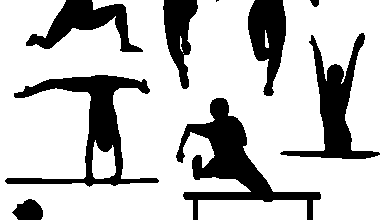
Freerunning has become an integral aspect of urban exploration, merging athleticism with creativity. Originating from parkour, it emphasizes fluidity and self-expression in movement. Enthusiasts traverse urban landscapes by utilizing architecture, enabling a fresh perspective on their surroundings. This synergy fosters a deeper appreciation of forgotten spaces, often revealing hidden beauty in mundane environments. As urban explorers navigate rooftops and parks, they transform these unassuming structures into vibrant canvases. The adrenaline rush associated with freerunning enhances the thrill of urban exploration, encouraging individuals to confront their fears in unprecedented ways. Each leap, vault, and roll transforms the exploration experience, illustrating the potential of movement as an artistic medium. Moreover, the emphasis on personal style within freerunning allows individuals to showcase their unique interpretations of the urban environment. The diverse community further strengthens this bond, as participants share their experiences online, inspiring others to discover their surroundings. From urban trails to spirited indoors, freerunning opens doors to sites many overlook. It cultivates appreciation for architecture, history, and culture through an exhilarating lens, highlighting the intertwined destinies of urban exploration and freerunning.
Freerunning not only enhances personal growth but also promotes social connections among practitioners. This discipline fosters a supportive environment that attracts individuals from varied backgrounds. As participants challenge themselves, they bond over shared experiences and victories, creating lasting friendships. These relationships form crucial support systems, encouraging personal development and risk-taking. Moreover, urban exploration becomes a collective adventure, amplifying the overall experience. Freerunners frequently document their journeys on social media, showcasing courage and creativity in their urban pursuits. This sharing of experiences fosters a sense of community that inspires more individuals to break free from conventional exploration methods, pushing boundaries. The thriving urban exploration scene has led to organized events, where freerunners gather to navigate new terrains in unison. These events harness the collective energy of diverse participants, highlighting the inclusive nature of the activity. Such gatherings enable participants to learn from one another, hone their skills, and discover different techniques. Inclusivity encourages newcomers, regardless of their experience, to engage with urban exploration and freerunning. By creating a positive atmosphere, both disciplines thrive and evolve through shared adventures and friendships forged in the urban landscape.
Safety and Responsibility in Urban Exploration
While freerunning enriches urban exploration, maintaining safety is vital. Urban environments can present unforeseen hazards, making it essential for practitioners to prioritize caution. Adequate training is crucial; aspiring freerunners should build foundational skills before attempting complex moves. Understanding the environment and identifying potential risks aids in ensuring a safer experience. Practitioners should encourage a culture of awareness, emphasizing the importance of preparation and knowledge of one’s limits. Furthermore, exploring urban areas often requires consent from property owners, reflecting respect for these spaces. Engaging in responsible exploration practices can foster goodwill among communities and maintain access to locations. Additionally, exploring spaces with others can enhance safety, allowing for support and assistance during adventures. The buddy system promotes accountability among participants, minimizing risks associated with solo exploration. In an age dominated by digital connectivity, sharing safety tips and experiences can help cultivate a more informed community. Networking with local freerunning groups will also provide resources, expertise, and knowledge vital for navigating urban environments safely. Ultimately, prioritizing safety enriches the exploration experience, enabling practitioners to focus on creativity while minimizing potential dangers.
Another crucial aspect of freerunning in urban exploration is the evolving relationship between these disciplines and technology. Advances in photography and videography capture the essence of freerunning, allowing enthusiasts to share their experiences widely. This visual storytelling creates immersive representations of urban landscapes, inspiring others to explore their surroundings. High-quality footage not only highlights athletic prowess but also emphasizes the beauty of cities. As a result, the sharing of these experiences encourages a new generation of urban explorers. Smartphone applications specifically designed for navigation enhance exploration, allowing practitioners to discover unique spots and track their routes. Such tools facilitate the experience, enabling freerunners to navigate urban environments more efficiently. Further, online communities utilize these platforms to publish guides, tutorials, and meetups. This wealth of resources democratizes access to information, making it easier for newcomers to engage with urban exploration. Moreover, immersive technologies such as virtual reality (VR) may allow enthusiasts to experience freerunning simulations, increasing interest in the discipline. As technology continues to evolve, its influence on urban exploration and freerunning will undoubtedly expand, generating novel ways to engage with cities.
Environmental and Artistic Reflections
Additionally, the impact of freerunning on urban exploration extends to environmental and artistic expression. Engaging with neglected urban spaces fosters strong connections to local environments, highlighting their histories and potential. Freerunners often document their encounters with abandoned buildings, parks, and public artwork. By showcasing these hidden gems, they contribute to their communities, raising awareness about preservation efforts. This dynamic relationship with the environment encourages individuals to act as advocates for change. Moreover, freerunning allows participants to interpret and engage with art in non-traditional ways. Urban spaces host murals and street art, inviting freerunners to traverse these installations creatively. This engagement challenges the conventional understanding of art, where movement becomes an integral element of artistic expression. By incorporating physicality into their exploration, practitioners evolve from passive observers to active participants. In this way, freerunners create unique interactions with their environments, transforming their explorations into living art. Ultimately, this synergy between freerunning, urban exploration, and environmental stewardship fosters a greater appreciation for local culture and encourages thoughtful dialogue about urban spaces.
In the context of competition, freerunning has seen the emergence of various events, further blending it with urban exploration. These competitions focus on athleticism and creativity, encouraging participants to push their boundaries while showcasing their skills. Urban settings provide exhilarating backdrops for these contests, often highlighting unique architectural features. Such events allow practitioners to express their style while navigating complex obstacles. This competitive angle has also intensified attention toward urban exploration and freerunning as legitimate fields of sport combined with artistry. Participants derive inspiration from one another’s performances, elevating the overall skill level within the community. As a result, sharing knowledge about specific moves and techniques fosters an environment of mutual growth. Popular competitions have gained substantial media attention, leading to increased visibility for urban exploration at large. Increased mainstream interest in freerunning often results in expanded participation, encouraging individuals to join this vibrant community. Furthermore, as urban exploration continues to grow, partnerships may arise between sponsors and practitioners. New opportunities for collaboration could emerge, ultimately benefiting both disciplines and enhancing their presence in urban cultures.
Conclusion: The Future of Freerunning and Urban Exploration
As urban exploration and freerunning evolve, their interconnection will continue to shape their respective futures. The growing enthusiasm for freerunning attracts a diverse population that bridges various communities. As more individuals engage with urban exploration through freerunning, the importance of fostering inclusivity and promoting safety cannot be overstated. This evolution cultivates awareness and appreciation for urban spaces, inviting exploration that emphasizes respect for history and culture. Freerunning experiences will likely shift toward focusing on environmental ethics and sustainability as awareness grows. Awareness campaigns highlighting the importance of preservation and responsible exploration may emerge, creating advocates for urban spaces. Collaboration between practitioners and local governments could foster improved relations, focusing on how urban exploration can positively impact communities. Additionally, innovations in technology will further alter the landscape of urban exploration and freerunning, enhancing overall experiences. With rapid advancements in virtual reality and apps, accessibility will only increase. As these two disciplines continue to evolve together, the future holds great promise, reflecting resilience, creativity, and a commitment to exploring and preserving urban environments.