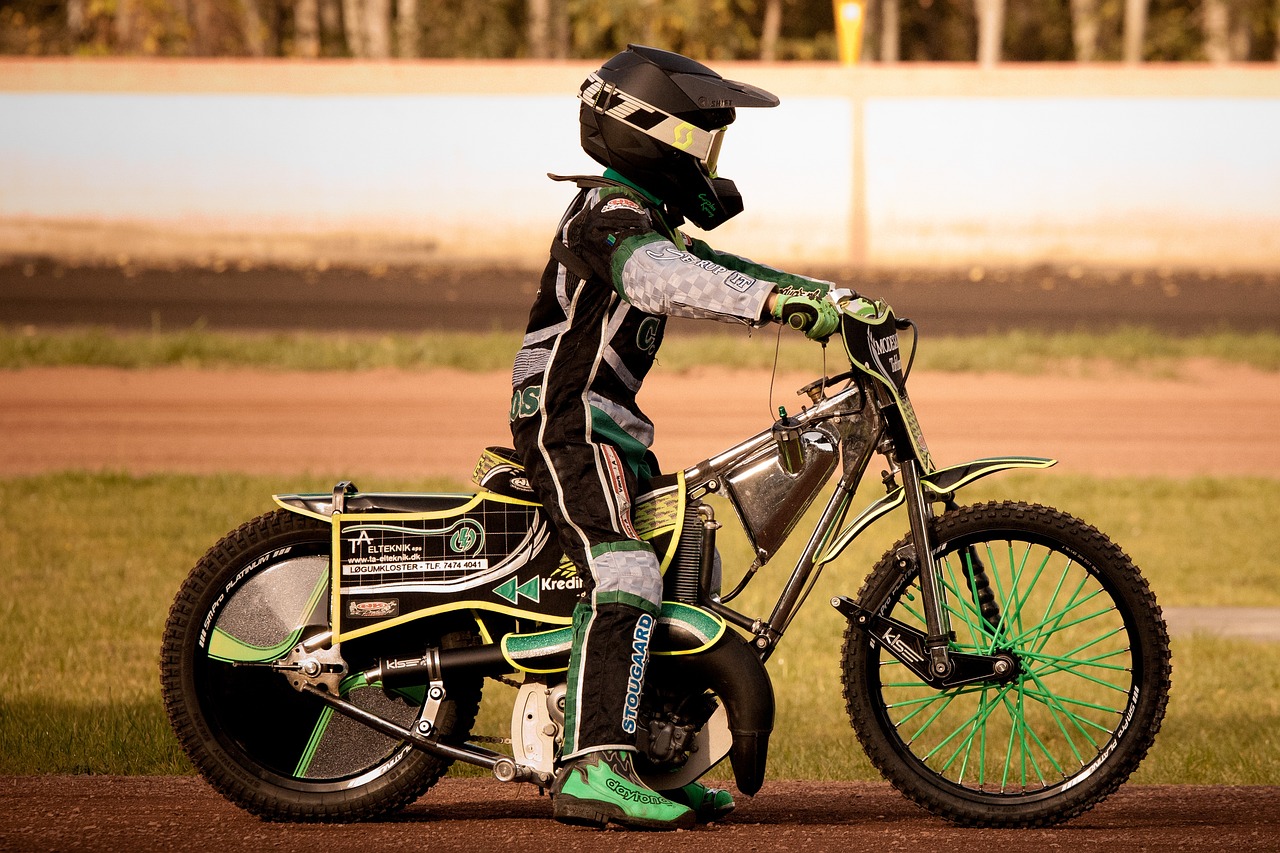

Training Schedules of Top Team Speedway Riders
Team speedway racers follow a rigorous training schedule to maintain peak performance. Generally, each rider’s regimen varies according to their personal strengths and weaknesses. It is essential for them to structure their time effectively. Typically, training consists of various phases focusing on endurance, speed, and technical capabilities. Riders often begin their day early, engaging in physical conditioning exercises. Core strength and flexibility training are prioritized to prevent injuries. Moreover, riders participate in group drills to refine communication and team dynamics. During track sessions, specific focus areas like cornering and acceleration are targeted. Additionally, mental conditioning plays a crucial role; many use visualization techniques to prepare for races. Analyzing previous runs and identifying areas for improvement are integral parts of training. Often, riders will use video analysis to assess their performance. Furthermore, nutrition and recovery strategies are strictly adhered to, ensuring that riders remain fueled and ready for challenges. Balancing on-track performance with off-track wellness is key to sustained competitive success. Collaboration with coaches is vital for optimizing training and being race-ready for upcoming competitions.
Preparation in team speedway also includes practicing with different bikes. This allows riders to adapt quickly to changes in equipment and track conditions. Seasoned riders adjust their techniques based on the type of bike they use, learning how to best utilize each machine. Furthermore, regular workshops are conducted where riders receive coaching on advanced strategies and racing techniques. These sessions often include guest speakers from within the sport who share invaluable insights. In addition, riders frequently engage in team-building activities; such practices foster camaraderie and trust among team members. Healthy competition amongst teammates encourages a better overall team performance. This collaborative spirit often translates into improved race outcomes. Riders sometimes enter regional competitions for additional experience. This not only enhances their skills but builds a competitive edge. In track days, practice simulations of race day conditions are run repeatedly. This helps riders develop mental toughness as they can learn to cope with pressure. Over time, such practices create a solid foundation for achieving long-term goals. Ultimately, each rider’s commitment to their training schedule is crucial for personal and team success in speedway racing.
Focus on Nutrition and Recovery
A pivotal aspect of a successful training schedule involves nutrition. Riders must focus on consuming balanced diets rich in proteins, carbohydrates, and healthy fats. This ensures they have the energy necessary for rigorous training sessions. Hydration is equally important; riders maintain optimal fluid levels to support physical performance. Some cyclists work closely with nutritionists to devise meal plans tailored specifically for their needs. Regular meal timings are crucial, as is balancing macronutrients throughout the day. Post-training recovery is as essential as the training itself. Most riders include stretching and foam rolling as part of their recovery process. Furthermore, they may incorporate ice baths to reduce inflammation after extensive physical activity. Additionally, sleep plays a critical role; quality rest helps muscle recovery while preventing fatigue. Riders often share strategies for optimizing sleep, including limiting screen time before bed and creating comfortable sleeping environments. Ultimately, a holistic approach to nutrition and recovery can significantly impact a rider’s performance on race day. Consistency in these areas supports their training schedules and ultimately contributes to their overall success in speedway racing.
The mental preparation of riders is often overlooked, yet it is immensely significant. Mental resilience can be the deciding factor in many races. Riders may practice mindfulness and relaxation techniques to keep anxiety at bay. Additionally, many engage in visualization exercises where they mentally rehearse their races. This process helps them mentally prepare for various scenarios they could face during a race. Other riders utilize sports psychology techniques, working with professionals to enhance their focus and eliminate distractions. These strategies are essential when racing against formidable opponents or dealing with challenging conditions. Team discussions often facilitate morale-building and enhancing tactical awareness during competitions. Moreover, riders frequently set personal and team goals as part of their mental training. Having clear objectives can motivate them throughout the training cycle. Regular reflections on performance help maintain motivation and encourage goal adjustments when necessary. Encouragement and feedback from coaches and peers create support networks that help enhance mental strength. In this high-speed sport, being mentally sharp is as vital as physical preparedness, making it an integral component of a rider’s training schedule.
Collaboration and Team Dynamics
Effective communication and collaboration amongst team members are vital for cohesive and successful racing. Each rider must be aware of their role within the team structure, including providing support to teammates when needed. Regular meetings are held to discuss strategies and individual responsibilities during competitions. Team drills, where riders practice together, help create an atmosphere of trust and rapport. Through these drills, effective communication is honed while coordinating movements on the track. Furthermore, rider feedback sessions create learning opportunities; sharing experiences can provide insights on various racing strategies. Trust extends not just among riders but also towards coaching staff, engineers, and mechanics. This connection fosters a culture of teamwork where everyone works cohesively towards shared goals. A positive atmosphere can enhance performance and ensure that riders feel motivated and supported. Mutual respect among team members is also highlighted; it encourages riders to learn from one another’s strengths. Additionally, celebrating successes, both big and small, cultivates team spirit and unity. Strong interpersonal connections can make a significant difference in performance, emphasizing the importance of teamwork in the sport of team speedway racing.
Technology plays a crucial role in modern team speedway training schedules. Many teams integrate sophisticated telemetry systems that analyze rider performance metrics throughout each session. This data-driven approach allows for targeted improvements and fine-tuning of techniques. By tracking speed, cornering dynamics, and even physiological responses during training, teams can continually adjust training plans to suit each rider’s needs. Likewise, video analysis aids riders in scrutinizing their technique and making necessary adjustments before competitions. Additionally, apps and software dedicated to performance management help track progress and set realistic goals. Innovations in bike technology also mean teams must stay ahead with regular updates and training. By understanding how to maximize a bike’s potential, riders can get the most out of their training. Communication tools now allow teams to collaborate remotely; this can involve sharing data and analysis instantly. The utilization of technology amplifies efficiency in training schedules, enabling riders to gain unique insights into performance. Consequently, this modern approach ensures riders remain competitive and can adapt to new trends and technologies in the sport. Overall, embracing tech can lead to substantial improvements in racing outcomes and training effectiveness.
Season Preparation and Beyond
As the racing season approaches, team speedway riders intensify their preparation. The schedule shifts to allow more time on the track as shows and competitions come closer. Teams typically hold trial runs, where riders test adjustments made to their bikes and refine their racing strategies. These tests simulate race conditions, ensuring that riders are well-prepared for competitive contexts. Additionally, regular evaluations are conducted assessing rider fitness and readiness, keeping things aligned with overall goals. Throughout the season, riders aim to peak at the right times; hence, their schedules become increasingly specialized. Flexible training sessions allow for adaptations based on performance feedback. The collaboration between riders and coaches during this period is crucial for optimizing performance. Extensive evaluation of past races can inform riders about necessary tactical shifts. Moreover, family support and community engagement boost morale and keep riders focused on their goals. Following the conclusion of the season, reflection on achievements is undertaken. Lessons learned during the season can influence planning for the next training cycle. Continuous improvement is the highest pursuit in a competitive sport, driving riders to build on experience, ensuring personal and team advancement.
Finally, the celebration of accomplishments is an essential part of a training schedule. After long hours of hard work, recognizing individual and team efforts fosters motivation. Teams often host ceremonies or team-building events to commemorate victories and milestones. This recognition can also include feedback on areas for future development, emphasizing a continuous growth mindset. Furthermore, celebrating training successes prepares riders mentally for bigger achievements on the competitive stage. It strengthens bonds among team members by sharing experiences and building a positive atmosphere. Many teams will also engage in community events or charity work, helping to create broader bonds and a sense of purpose. When riders connect with their fans and community, it also helps enhance overall team spirit. This goes beyond the track, reminding riders that they are part of something bigger. Ultimately, a well-rounded training schedule in team speedway not only focuses on physical preparation but also nurtures emotional and psychological elements. As the sport evolves, so too will the strategies surrounding team preparation, ensuring that riders remain competitive. Consistent growth, celebrating achievements, and focusing on improvement prepare racers for future challenges and successes in the thrilling world of team speedway.