
Blood Oxygen Monitoring Wearables vs Traditional Pulse Oximeters
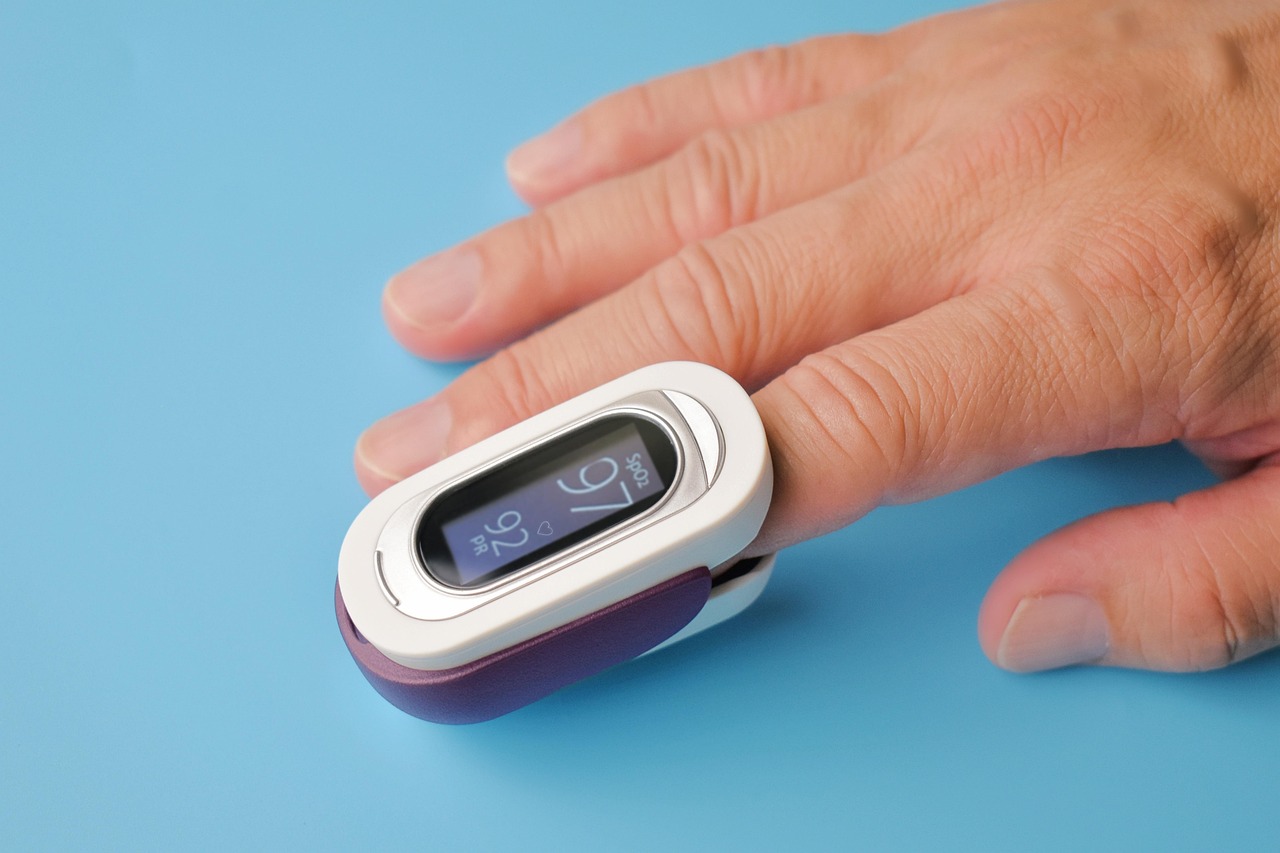
In recent years, blood oxygen monitoring has gained significant attention, particularly with the rise of health-focused technology. Blood oxygen levels are crucial indicators of overall health, and both traditional pulse oximeters and wearables have been utilized to monitor them effectively. Traditional pulse oximeters are typically small devices that clip onto a finger or earlobe. They provide real-time readings of blood oxygen saturation. In contrast, wearables such as fitness trackers and smartwatches offer continuous monitoring of blood oxygen levels, along with other health metrics. The advancements in technology have allowed these wearables to go beyond simple monitoring, incorporating analytics and trends to provide users with valuable insights. The ease of integration into daily life is one of the main benefits of wearable technology. Users can track their health data conveniently throughout the day without needing to stop and use a separate device. This constant monitoring can alert users to any concerning levels in real-time, which can be critical in managing health, especially for those with respiratory conditions. With so many options available, understanding the differences is essential for users seeking the most effective solution.
Traditional pulse oximeters are well-known for their accuracy and reliability. These devices are often used in medical settings due to their precision in measuring blood oxygen levels. They operate by emitting light wavelengths that pass through the skin to assess how much light is absorbed by oxygenated and deoxygenated hemoglobin. While effective for single-time measurements, they require users to remain still for an accurate reading. Compared to wearables, traditional devices generally provide a snapshot of a person’s oxygen level at a specific moment, which can lead to gaps in data if not utilized regularly. On the other hand, blood oxygen monitoring wearables continuously track this information, allowing for a broader understanding of health trends over time. This feature becomes particularly beneficial for individuals who need to monitor their oxygen levels consistently, as it can assist in detecting fluctuations or abnormalities more effectively. Furthermore, the integration of fitness features in wearables enhances their appeal, making them versatile tools for users interested in a comprehensive view of their overall health. Transitioning from traditional to more innovative solutions is a growing trend in personal health monitoring.
Advantages of Blood Oxygen Monitoring Wearables
The emergence of blood oxygen monitoring wearables has redefined personal health tracking. Wearables such as smartwatches offer advanced capabilities that transcend those of traditional pulse oximeters. These devices allow users not only to monitor blood oxygen levels but also to gather data on heart rate, sleep quality, physical activity, and more. This comprehensive approach enables users to gain better insights into their health because it combines multiple health metrics into one device. Furthermore, specific wearables can alert users when their oxygen levels drop below a certain threshold, offering critical notifications when immediate action may be necessary. This feature can be life-saving, especially for at-risk individuals who experience sudden changes in their health status. In addition, many of these devices sync with mobile applications, facilitating a seamless user experience. This connectivity enables users to track their health performance over time, helping them make informed decisions about their lifestyle and fitness choices. Thus, wearables not only encourage proactive health monitoring but also promote lifestyle improvements through awareness of personal health data.
However, wearables do come with some limitations compared to traditional pulse oximeters. For instance, while providing continuous monitoring, these devices might not always deliver the same level of accuracy as their clinical counterparts. Variability can arise due to factors such as skin pigmentation, body temperature, and even the device’s position on the wrist. Traditional pulse oximeters are typically calibrated for medical use, ensuring high accuracy, which is essential when assessing patients with serious health issues. Therefore, while wearables are beneficial for general health tracking, they might not replace professional medical devices for individuals requiring precise measurements for diagnosing or monitoring critical conditions. Users must understand this distinction, especially if they are using wearables as primary monitoring tools. They should consider keeping a traditional pulse oximeter on hand for times requiring higher accuracy or validation. Ultimately, both types of devices serve their purposes: traditional pulse oximeters are excellent for immediate, accurate clinical assessments, while wearables provide continuous, user-friendly health insights.
Cost Considerations and Accessibility
When evaluating blood oxygen monitoring devices, cost and accessibility are integral factors. Traditional pulse oximeters can vary in price, but most clinical-grade pulse oximeters generally come with a lower one-time investment compared to purchasing multiple high-end wearables. Additionally, health insurance often covers these medical devices, making them more accessible for individuals with specific medical needs. In contrast, blood oxygen monitoring wearables, while offering more advanced features, can accumulate costs due to the price of the device and, occasionally, subscription fees for data access. This nature of ongoing costs can deter potential users who are price-sensitive. However, the appeal of wearables lies in their multifunctionality and the improvements in lifestyle they can offer, which can be appealing to a more health-conscious audience. It’s essential to assess the long-term benefits versus the upfront costs when making a purchase decision. Users should also consider their health needs; for those who require monitoring for medical conditions, investing in a traditional pulse oximeter may be a better decision.
Moreover, individuals interested in fitness and health trends may find wearables advantageous due to their broader applications. Many people can benefit from ongoing health observation without the burden of medical expenditures. Furthermore, some insurance companies are starting to provide incentives for individuals who use wearables to monitor their health. By linking their activity levels to potential discounts on premiums, they encourage users to take responsibility for their health. This integration prompts a growing market for fitness technologies, including devices focused on blood oxygen levels. In contrast, traditional pulse oximeters are not typically associated with such programs, limiting their appeal beyond immediate clinical needs. As wearables evolve, they benefit from user-friendly applications, which further increase their accessibility. They offer health tracking features encouraging users to engage more actively in their health management. Consequently, as technology continues to advance, it is evident that both blood oxygen monitoring wearables and traditional pulse oximeters have particular strengths and weaknesses, thus catering to different user segments effectively.
Conclusion: Choosing the Right Tool
Ultimately, the choice between blood oxygen monitoring wearables and traditional pulse oximeters depends on the user’s needs and preferences. Each device has its strengths, with traditional pulse oximeters being recognized for their reliability and precision in clinical settings. Alternatively, blood oxygen monitoring wearables provide convenience, immediate alerts, and integrated health tracking features that appeal to health-conscious consumers interested in comprehensive lifestyle management. Users must evaluate their personal health objectives, whether to manage a specific condition or to maintain general fitness. For those tracking significant health fluctuations or chronic conditions, traditional devices should be the primary choice due to their accuracy. Conversely, individuals looking for everyday health insights and trends may find that wearables are a more suitable option. As the market continues to evolve, increasing integration of these technologies will likely lead to hybrid solutions that combine the advantages of both device types, creating even more effective tools for health monitoring in the future.
Ultimately, the decision will rely on what best aligns with an individual’s health and lifestyle. Continuous enhancements in technology indicate a promising future for both device types, as user demands are continuously shaping the design and functionality of these tools. Users must stay informed about product advancements in the realm of fitness technology and wearables, ensuring they select devices that meet their needs effectively. As personal health monitoring becomes a higher priority, understanding the strengths and weaknesses of blood oxygen monitoring wearables versus traditional devices will empower consumers to make informed choices. Whether one opts for a traditional pulse oximeter for clinical accuracy or a wearable for continuous insights, both options highlight the importance of monitoring one’s health to ensure overall well-being.