
Common Mistakes Kids Make When Inline Skating and How to Fix Them
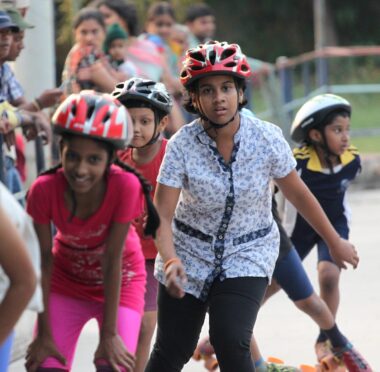
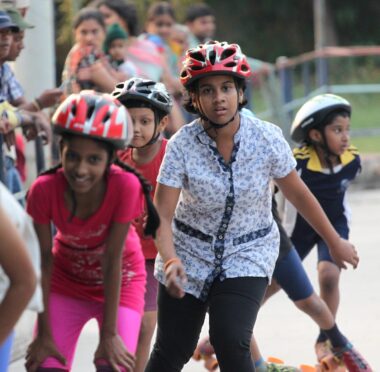
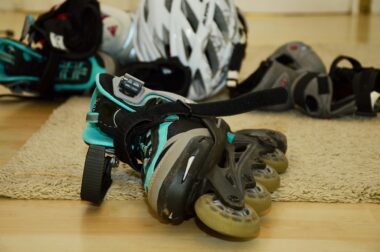
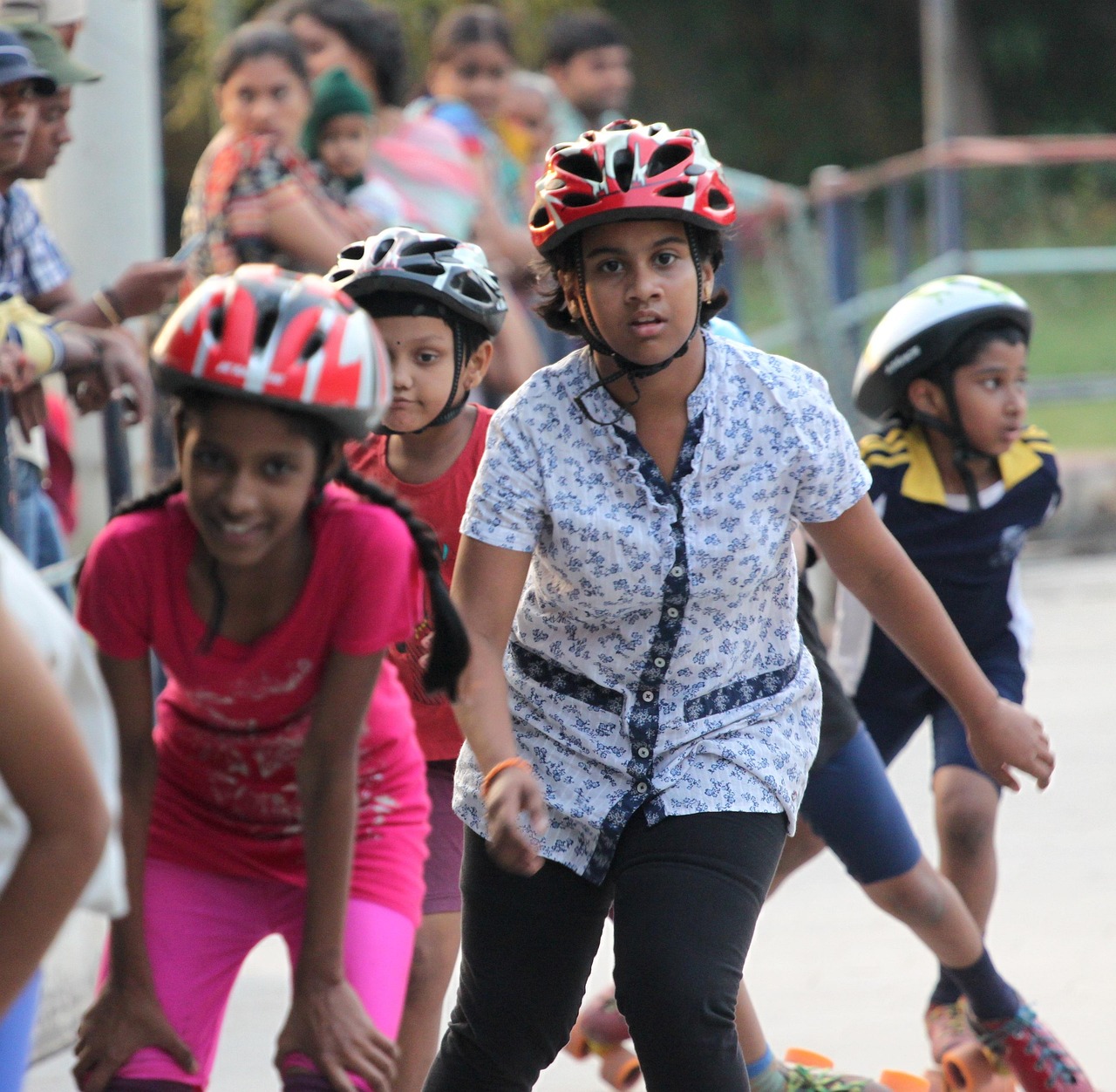
Inline skating is an exciting activity that many kids enjoy, but they often make common mistakes that can hinder their progress. One mistake is not wearing proper protective gear. Kids might find helmets or pads uncomfortable and skip them. Ensure they understand the importance of wearing helmets, elbow pads, and knee pads. This safety gear minimizes injury risk, allowing parents to relax while kids skate. Another issue involves the way kids hold their bodies when skating. Many skaters do not bend their knees sufficiently, resulting in a rigid stance that affects their balance. Encourage children to keep their knees slightly bent, which improves stability. Moreover, they should learn to use their arms; this provides excellent support. Kids also sometimes skate without fully understanding how to control their speed and stopping. Children may come to an abrupt stop by dragging one foot, increasing their risk of falling or tumbling. Teach them proper stopping techniques to enhance their control and safety. Additionally, many kids do not practice enough. Regular practice will facilitate better performance in their skills and enhance confidence.
Inline skating should be fun and safe, but kids often have difficulty mastering proper techniques, which is perfectly normal. One common mistake involves not looking ahead. Kids can get so focused on their feet and skating that they forget to observe their path. Encourage children to look straight ahead rather than down at their skates; this improves not only balance but also situational awareness. Another common issue is improper footwear. Ensure skates are the right fit and are suitable for children. Skates that are either too loose or too tight can cause discomfort and hinder skating performance. Ensure that the skates allow for a snug fit without causing pain. Additionally, some kids make the mistake of learning to skate too quickly without developing foundational skills. Like any sport, mastering the basics is crucial before progressing to advanced tricks and techniques; starting slowly enables kids to build confidence. Communication is vital; parents should ask kids about challenges they face while skating to offer appropriate guidance. Positive reinforcement and encouragement go a long way in helping kids overcome their mistakes and build the skills necessary for inline skating.
Another mistake many children make while inline skating is not understanding their limits. Kids often attempt to imitate older or more skilled skaters, leading to falls and injuries. Encourage them to skate within their abilities, progressively building skills until they feel comfortable enough to try more challenging maneuvers. This prevents frustration and could deter them from wanting to skate again. Furthermore, kids may not fully grasp the importance of balance. Improper positioning, like leaning too far forward or backward, can disrupt their center of gravity. Remind kids that a stable position involves maintaining an upright posture while shifting their weight as necessary. For instance, they should learn to position themselves slightly forward during acceleration and backward when stopping. Another oversight is not warming up or cooling down. Skating is a physically demanding activity that requires warm-up exercises to prepare muscles and reduce injury risk. Make it a routine for them to perform light stretches before and after skating. Incorporating fun warm-up games can keep them engaged while promoting good practices. Use this positive reinforcement to create a long-lasting enjoyment for the sport while minimizing their risk of injury.
Learning to Fall Safely
When kids experience falls while inline skating, they might panic and try to catch themselves awkwardly, which increases the chance of injury. Teaching them how to fall safely is vital. Encourage children to keep their arms close to their bodies and avoid reaching out for support during a fall. Instead, they should aim to land on their protective gear rather than their hands. This reduces the risk of injuries like wrist sprains. Parents should demonstrate a proper way to fall, which involves bending the knees and rolling to absorb the impact safely. This practice not only minimizes injuries but can also build a kid’s confidence in skating. Additionally, a common mistake is not understanding how to regain their feet after a fall. Kids may struggle getting back up, leading to frustration while skating. Teach them to position themselves on their hands and knees and then rise up by placing a foot firmly on the ground while pushing off. This simple action helps them regain composure and continue skating without constant anxiety over falling. Building this aspect into the learning process ensures they enjoy inline skating to the fullest while feeling secure.
Another common challenge faced by children learning inline skating is mastering turning techniques. Many kids may simply try to turn their feet or skate wheels to navigate, which often results in instability and falls. Encourage kids to learn how to lean into turns whilst maintaining their balance. Explain how shifting their weight to the outside skate while bending their knees will facilitate smoother turns. Improving turning techniques not only enhances their skating experience but also boosts their overall confidence. Additionally, kids might struggle with pacing when skating with friends. They often feel pressured to keep up and neglect safety precautions while racing or engaging in games. Educate them about maintaining appropriate speeds while skating and communicating with their friends about who is leading. Skating together can be thrilling, but understanding safety strategies and pacing is essential in preserving enjoyment. Another factor is distractions; kids are often easily distracted while inline skating, which increases the risk of accidents. Encourage them to stay focused on their surroundings and their skating space. Teaching them how to be aware of their environment allows for safer adventures with friends.
Encouraging Persistence
Building persistence is essential when teaching kids how to overcome inline skating mistakes. Children may become discouraged after experiencing repeated falls or failures. A better understanding of why persistence pays off is vital; by emphasizing that mistakes provide opportunities for learning. Communicate how practice will lead to improvements over time, inspiring them to continue trying. Join children during skate practice to demonstrate determination and lead by example; they will feel more motivated by observing your efforts. Try using a challenge system whereby kids can help set personal goals. Setting manageable short-term goals promotes a sense of achievement when they attain them, whether it involves mastering a turn or achieving sustained balance. Remind them always to celebrate small victories instead of focusing on failures. Lastly, consider enrolling them in a class or group where they can learn with peers. It can spark an interest in skating and provide them with the necessary skills from trained professionals. This not only enhances their skating abilities but offers valuable social interactions and mutual support during learning. Remember, keeping the experience fun and rewarding fosters long-lasting enthusiasm for inline skating.
In conclusion, addressing the common mistakes kids make while inline skating requires patience, understanding, and supportive guidance from parents. Helping them learn to skate safely will ultimately enhance their enjoyment of the sport. A positive approach toward mistakes builds their confidence and ensures they can overcome obstacles as they progress. Remember to always prioritize safety gear, encourage practice and proper techniques, and educate kids about the importance of focus. These foundational elements will create a safe, enjoyable environment for children to improve their inline skating skills. Behind a child’s excitement for inline skating lies the responsibility to develop their skills diligently; support is crucial. Consider a balance of independence and guidance—let kids explore their skating abilities while ensuring they have the fundamentals under control. Over time, they will learn that mistakes are an inevitable part of both learning and fun. Making skating enjoyable through supportive methods will also appreciate and foster a passion for this sport while shaping their overall growth and confidence. So keep rolling, practice safely, and enjoy all the moments inline skating brings!
Skating brings joy and excitement, establishing a lasting bond between parents and children through shared experiences. If both parties embrace the journey of learning together, inline skating will become an invaluable life skill; kids will gain not just capabilities but cherished memories. Building patience, confidence, and social connections through skating will create a holistic development experience as they grow through the sport. So grab some skates, lend your support, and watch as your child flourishes in the world of inline skating while overcoming mistakes that will make them more resilient. Inline skating ultimately serves as both a physical activity and a way to nurture important life lessons.