
Managing Foot Swelling After Intense Running Sessions
Foot swelling is a common issue experienced by runners, especially after intense sessions. Understanding the cause of swelling is crucial for effective management. The feet contain many blood vessels and tissues that can retain fluid, leading to discomfort. Factors such as high-impact workouts, prolonged running, and inadequate footwear can exacerbate the condition. Cooling down after runs is another essential aspect to prevent swelling. Engaging in gentle exercises can promote circulation, helping to reduce discomfort. Additionally, focusing on proper hydration ensures that the body distributes fluids evenly. Having a well-balanced diet rich in potassium can also help combat swelling. Foods such as bananas, potatoes, and leafy greens are excellent options. Moreover, elevating the feet after a running session encourages fluid drainage from the lower extremities. Compression socks can further aid in reducing swelling by applying consistent pressure to the legs. Implementing these strategies can make a significant difference in managing foot swelling effectively. Ultimately, personal awareness of one’s body and knowing when to rest or seek medical advice is vital for continued health and performance in running.
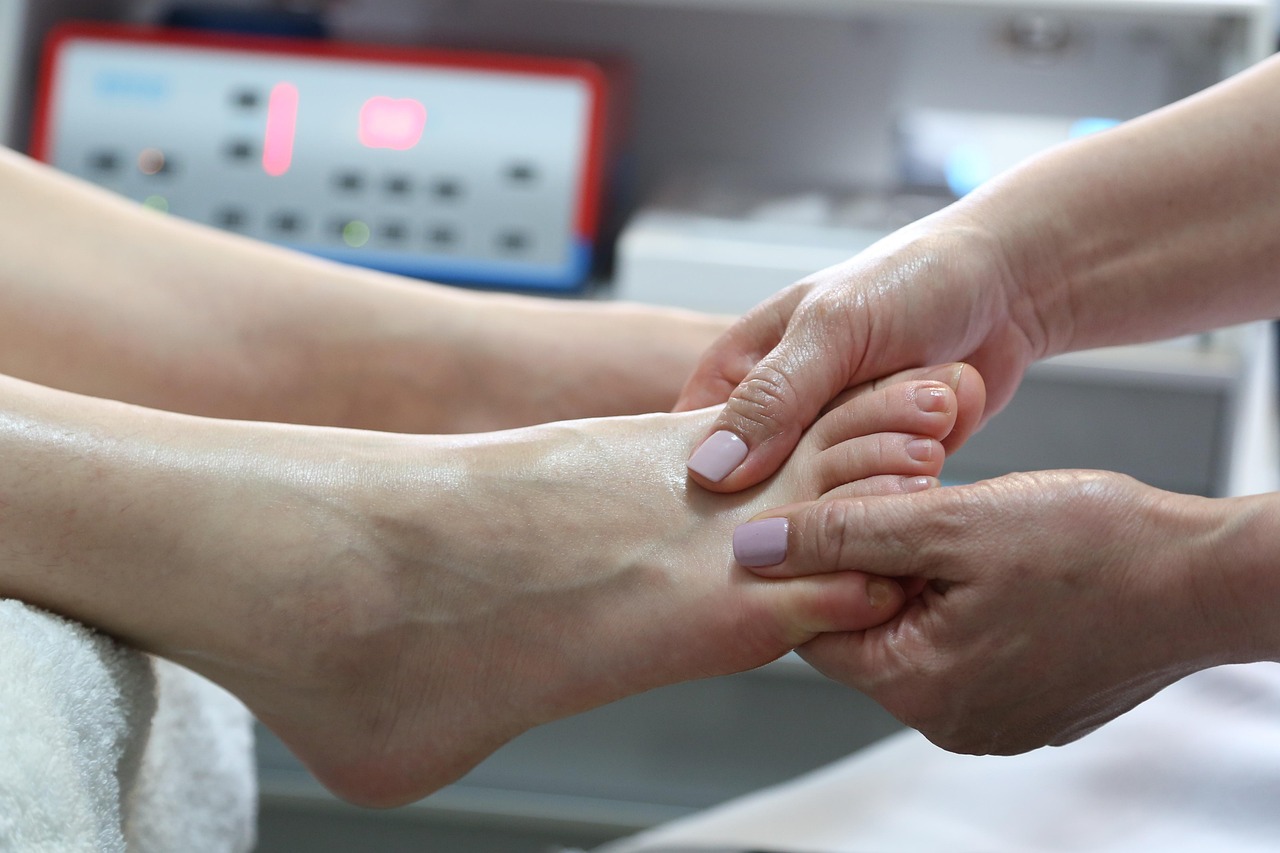
When considering additional strategies for managing foot swelling, it is essential to recognize the role of recovery. Rest days are crucial for allowing the body to heal properly. Focusing on recovery techniques such as foam rolling can significantly improve blood flow and aid in recovery. Foam rollers can also alleviate tightness in the surrounding muscles, reducing the risk of repetitive strain injuries. Additionally, using ice packs on swollen areas can help combat inflammation. The application of cold therapy can reduce both swelling and pain, providing relief post-run. It is recommended to use ice for around 15-20 minutes, ensuring a barrier such as a cloth to prevent frostbite. Furthermore, adding gentle stretching into your routine prepares the muscles and prevents stiffness. Stretching encourages flexibility, which is vital for preventing injuries during intense training. Localized massage can also enhance circulation and decrease swelling, providing further benefits. It’s advisable to consult a professional massage therapist specializing in sports. While self-care treatments are beneficial, professional guidance ensures that runners optimize their recovery for better performance. Consistency in these methods will lead to long-term improvements, enhancing overall running experience.
Footwear Choices for Reducing Swelling
Footwear is an often overlooked aspect when addressing foot swelling in runners. Wearing supportive and well-fitting shoes is crucial to sustaining foot health. Shoes that are too tight can impede blood flow, leading to increased swelling. Therefore, selecting footwear that accommodates foot expansion during runs is vital. It’s best to choose shoes with sufficient cushioning to absorb shock and pressure, especially on long runs. Opting for shoes that provide arch support helps distribute weight evenly, minimizing strain on the feet. Additionally, running shoes should have a breathable material to allow proper ventilation, preventing overheating. Regularly replacing worn-out shoes is essential as well; old shoes lose the ability to provide adequate support and cushioning. When shopping for shoes, try them on in the afternoon when feet tend to swell slightly. This ensures the shoes will be comfortable even during intense workouts. Furthermore, consider using orthotic inserts customized to your foot’s shape. These can enhance support and reduce pressure points. Paying attention to footwear details helps optimize comfort and performance while minimizing the risk of swelling and injury.
Another vital aspect to consider for runners is the importance of warm-up and cool-down routines. Engaging in these practices can promote better circulation and prevent sudden swelling post-run. A proper warm-up prepares the muscles, elevating heart rate and ensuring that blood circulates effectively throughout the body. Dynamic stretching or light jogging gets the blood flowed to your feet, reducing the risk of injuries and swelling. After completing your run, thorough cool-down serves multiple purposes, such as allowing your heart rate to return to normal gradually. Incorporating static stretches can also facilitate muscle relaxation, minimizing post-run swelling. Gentle calf stretches and foot flexes restore flexibility in the muscles used during running. Moreover, practicing mindfulness during stretching can positively impact recovery. Focusing on breathing and feeling the stretch enhances connection between body and mind. It’s a simple practice that can yield significant benefits for overall performance. Pairing warm-up and cool-down routines with strength training exercises can further assist in maintaining healthy foot function. Developing muscle strength supports joints and connective tissues, making runners less prone to swelling and injuries. Such comprehensive practices contribute to long-term success and health in running.
Hydration Strategies
Proper hydration is a fundamental aspect of preventing foot swelling among runners. Dehydration leads to an imbalance in the body’s electrolytes, contributing to fluid retention. Therefore, it’s essential to establish a good hydration routine before, during, and after running. Drink sufficient water throughout the day, focusing on increasing intake before any intensive running sessions. In addition to water, incorporating electrolyte drinks can help replenish lost fluids and minerals. Sodium and potassium, in particular, are vital for maintaining fluid balance in the body. While running, aim to consume water or hydration solutions for every 20-30 minutes of exercise. Establish a consistent habit, so you never feel parched during your workout. After completing your run, drink additional fluids to ensure recovery. Monitoring urine color is a helpful method to gauge hydration levels, with light yellow indicating proper hydration. Temperatures and conditions should influence hydration practices; in hot weather, runners should be particularly proactive in their fluid intake. Most importantly, it’s crucial to listen to your body’s hydration needs. Addressing hydration effectively contributes to minimizing swelling, enhancing overall performance and recovery.
Another effective approach is managing your running environment. Factors such as temperature, terrain, and humidity can have substantial effects on foot health. For instance, running on softer surfaces, like grass or track, can help reduce impact compared to harder surfaces such as concrete. Being aware of the weather conditions is essential for planning runs effectively. In high temperatures, consider adjusting running times to cooler parts of the day, which can reduce the risk of heat-related swellings. Conversely, staying warm during cold weather can also help maintain healthy circulation. Layering clothing appropriately allows the body to regulate temperature efficiently. Using moisture-wicking materials can help reduce friction, preventing blisters and swelling. Furthermore, being aware of altitude changes during runs is key; higher altitudes can impact breathing and circulation. Incorporating short walks during longer runs on hilly terrains allows feet to recover. Consistently modifying your running routes keeps your training regimen exciting while maintaining healthy foot conditions. Ultimately, awareness of external factors combined with suitable adjustments significantly reduces foot swelling risks for runners.
Listening to Your Body
Lastly, it is critical to listen to your body’s signals. Every runner experiences different levels of strain, and heeding these signals can prevent adverse effects like foot swelling. Developing self-awareness involves understanding normal sensations versus warning signs. If you notice persistent swelling or discomfort, it’s essential to modify your training. Further, consider incorporating cross-training methods to maintain fitness while allowing your feet a break from running. Exercises like swimming, cycling, or yoga can offer effective alternatives, minimizing impact while working muscles. Additionally, consulting with a healthcare provider or a running coach can provide personalized advice. Finding a balance between pushing limits and recognizing the need for rest can enhance both performance and health. Emphasizing self-care practices not only optimizes running but also enhances mental well-being. Embrace a holistic approach towards your physical and mental health while running. Engaging in activities that promote relaxation and stress relief, such as meditation, can contribute to optimal recovery. Ultimately, proper management of foot swelling combined with mindful practices leads to a more enjoyable and sustainable running experience. Consistency and care pave the path toward running excellence.
In conclusion, managing foot swelling after intense running sessions is achievable through various strategies. Incorporating footwear choices, hydration practices, and self-awareness into your routine helps mitigate the effects of swelling effectively. Additionally, recovery practices such as proper warm-up sessions, cool-downs, and alternative exercises promote better health. It’s vital to case study your recovery methods, evaluating what works best for your body type and running style. Pay attention to how your feet react to different conditions, as personalized approaches yield the best results. Runners should also remember that prevention is just as important as recovery, maintaining long-term foot health is crucial for overall performance. Building a comprehensive plan that addresses all aspects of foot care ensures that you can enjoy running without setbacks. Prioritize routines that support circulation, and keep your foot health at the forefront of your training regimen. Engage in community discussions about tips and methods, learning from fellow runners can offer valuable insights. Lastly, it’s essential to celebrate your progress and victories in running, regardless of size. Progress takes time and dedication, and honoring each step along the way fosters a love for the sport.