
Breathing Techniques to Enhance Striking Power and Stamina
Breathing techniques are essential for martial artists aiming to improve their striking power and stamina during training and competitions. Proper breathing not only enhances your performance but also aids in maintaining focus and controlling emotions. Techniques such as diaphragmatic breathing help in maximizing oxygen intake, which fuels your muscles during intense physical activity. By learning to regulate your breath, you can improve endurance and recover faster between strikes. Developing a rhythm in your breathing corresponds with your strikes; every punch or kick should be synchronized with inhalation or exhalation. Incorporating various breathing patterns, like slow deep breaths before a series of strikes or rapid breaths during high-intensity moments, can condition your body to handle the physical demands of combat sports. Additionally, getting accustomed to this rhythmic breathing can strategically influence opponents, creating opportunities for effective strikes or counterattacks. Regularly practicing controlled breathing exercises, such as box breathing or 4-7-8 breathing techniques, can profoundly impact your overall performance. Engage in these methods diligently, and explore how they can enhance your training experience and fighting effectiveness.
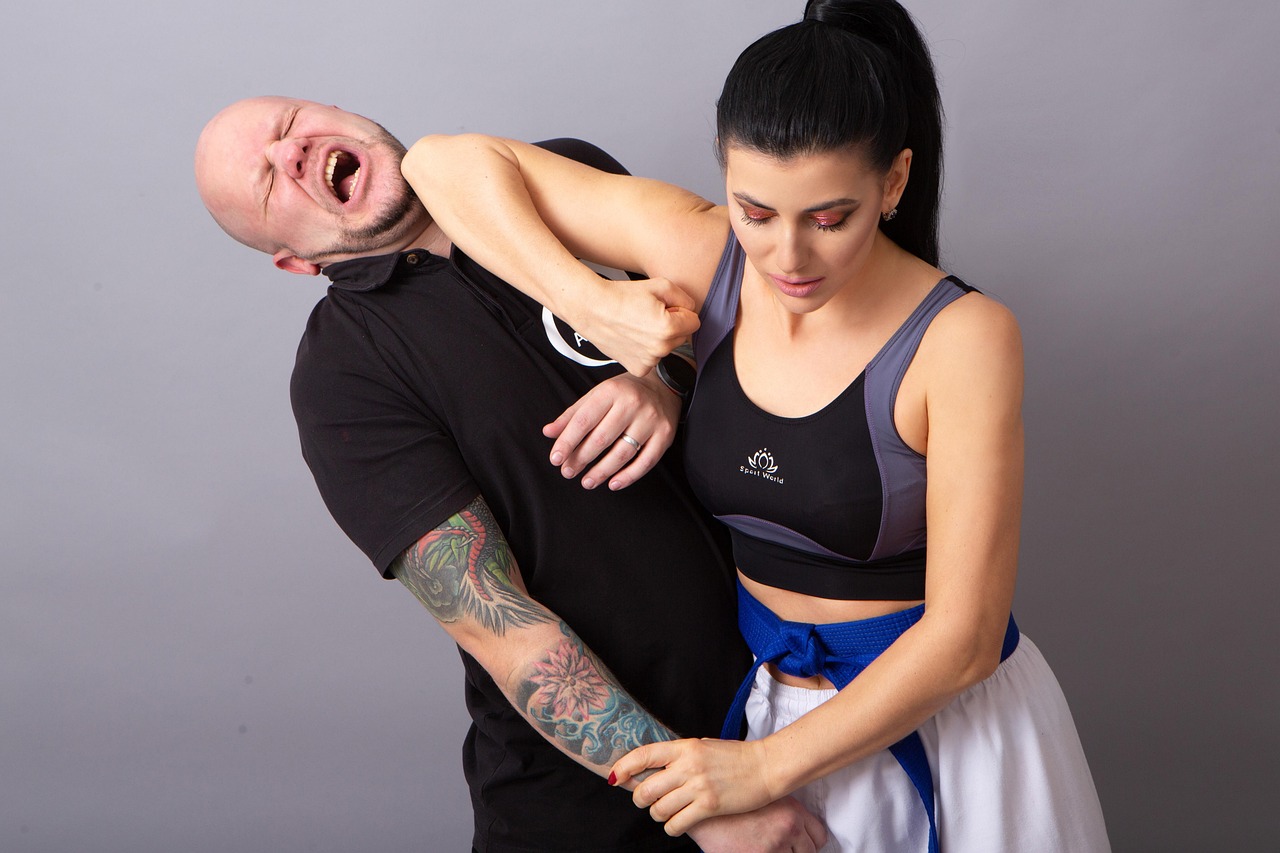
Understanding the mechanics of breathing is critical for maximizing striking power. The strength behind powerful strikes often originates from the core and is propelled by coordinated breathing. Engaging the diaphragm while striking allows for an optimal transfer of energy from the body through to the fist or foot. This energy transfer is crucial in martial arts and self-defense, where precision and power are paramount. Focusing on exhaling sharply during the moment of impact, especially when delivering punches or kicks, can significantly enhance the force of your strikes. This exhalation technique stabilizes the torso, engaging core muscles effectively while providing full control over your movements. Moreover, practicing these breathing techniques strengthens the diaphragm, leading to enhanced overall stability and better balance when striking. It’s beneficial to integrate breathing drills into your practice routine, allowing you to develop muscle memory for these techniques. Incorporating basic drills—such as pair exercises focusing on breath control while striking—can further sharpen your striking power. Ultimately, mastering breath control can elevate your self-defense game and prepare you for real-life confrontations.
A strong mind-body connection is vital in self-defense and striking techniques. The ability to remain calm under pressure enhances performance during critical moments, such as sparring or self-defense situations. Breathing techniques play a tremendous role in achieving this mental clarity, allowing practitioners to maintain focus and awareness. Techniques such as mindfulness meditation and breathing exercises can cultivate this connection, effectively calming the mind before engaging in strenuous activities. For instance, spending time in meditation that emphasizes breathing can help strengthen mental acuity while easing performance anxiety. This preparation not only aids in enhancing striking speed and accuracy but also reduces the risk of injuries during intense bouts. Understanding how your breath influences your physical performance allows for improved strategic thinking in high-pressure scenarios. By embodying a mindset of focus, martial artists can generate sharper instincts in matches. Incorporating specific meditative breathing exercises prior to and during practice can enhance this connection, resulting in a more effective training outcome. Use your breath as a tool to bridge the gap between mental readiness and physical capability when engaging in striking techniques.
Dynamic Breathing Practices to Incorporate
Dynamic breathing practices can significantly enhance striking stamina, elevating training sessions to new levels. One effective technique is the use of rhythmic breathing during extended drilling sessions, helping sustain energy levels throughout. This incorporates a structured inhalation for preparation and rapid exhalation during execution, promoting efficient oxygen use. Interval training combined with focused breathing can also be extremely beneficial. For instance, during a high-intensity round of striking, practice rapid inhalations and controlled exhalations, allowing for efficient recovery throughout the rounds. Moreover, utilizing breath-focused drills—such as hitting pads while regulating breath patterns—can integrate these techniques seamlessly. It’s also invaluable to explore the relationship between breath and movement. Ensure that your breath aligns with your strikes, building a consistent rhythm that fosters both stamina and power. Additionally, experimenting with varied postures during strikes while practicing different breathing types can reveal insights into your performance limits. Incorporating these dynamic practices will ultimately help in developing durable striking stamina, enabling practitioners to deliver powerful techniques over longer periods while maintaining efficacy.
Another unique aspect to consider is the influence of breath on recovery time. Quick recovery between rounds or striking series is vital for maintaining performance in both training and competition. Effective breathing can aid in rapidly restoring your heart rate and maximizing oxygen flow in such scenarios. Techniques such as pursed lips help slow down your exhale process, allowing for a more gradual return to a resting state. Allowing the body to adapt through restorative breathing can also enhance overall stamina levels. Emphasizing recovery techniques that involve breath—the 4-7-8 method is particularly beneficial in this regard—can help maintain focus and energy. Through these methods, martial artists can enhance their ability to perform in the longer run. It’s essential to prioritize breath control and recovery practices, as they directly correlate to sustained striking power and performance. Integrating breath control into your workout routine can introduce valuable intervals for resting and recovery, ensuring that striking effectively throughout training sessions is possible. Every second of recovery counts in martial arts, so utilize these breathing strategies wisely.
Regular practice of breathing techniques amplifies not only physical capabilities but also psychological resilience. The mental aspect of martial arts is often overlooked, yet it plays a crucial role in performance outcomes. Being able to tap into breath control can help alleviate stress and anxiety—common barriers when performing under pressure, especially during competitions. To mitigate this, engage in practices such as deep breathing to foster relaxation and boost confidence before entering the ring. Having a structured approach to breathing can empower self-advocacy during challenging moments, facilitating quicker decision-making during confrontations. Practice breathing in synchronization with visualizing successful strikes can link mental readiness with physical execution, enhancing the overall performance experience. Professional fighters often embrace this approach, finding that it leads to improved striking abilities and competition outcomes. By addressing the mental and emotional challenges through mindful breath practice, you set yourself on a path to success. Thus, incorporating breath control techniques tailored to your individual style of striking can cultivate a diverse toolkit for personal advancement and self-defense effectiveness.
Conclusion: Embrace Breathing for Optimal Striking
The integration of breathing techniques into your self-defense training can revolutionize your striking capabilities. Understanding the intricate relationship between breath, power, and stamina enhances not only tactical skills but also psychological components within martial arts. Evaluating and adapting your breathing methods will undoubtedly propel you toward optimal striking performance, fostering greater endurance and recovery periods. The benefits gained from mastering breath control extend beyond individual training; they manifest into improved focus and sharp reactions during real-life encounters. As you progress, continue to incorporate breathing exercises into your routine, challenging yourself to refine techniques and enhance your overall combat readiness. Set personal benchmarks to gauge improvements in both striking speed and endurance while closely monitoring your recovery periods. Consider partnering with fellow practitioners to share insights on effective breath control methods, contributing to a community of growth and learning. By embracing these practices, you cultivate sophisticated striking techniques that empower you for any contingency. Ultimately, your journey of self-defense training enhances every moment—allow your breath to guide you on this transformative path.
Harness the power of breath control in your self-defense training. Explore how breath techniques can enhance striking power and stamina. With practice, witness the transformative benefits on your martial arts journey, effectively empowering your skills and confidence during combat.