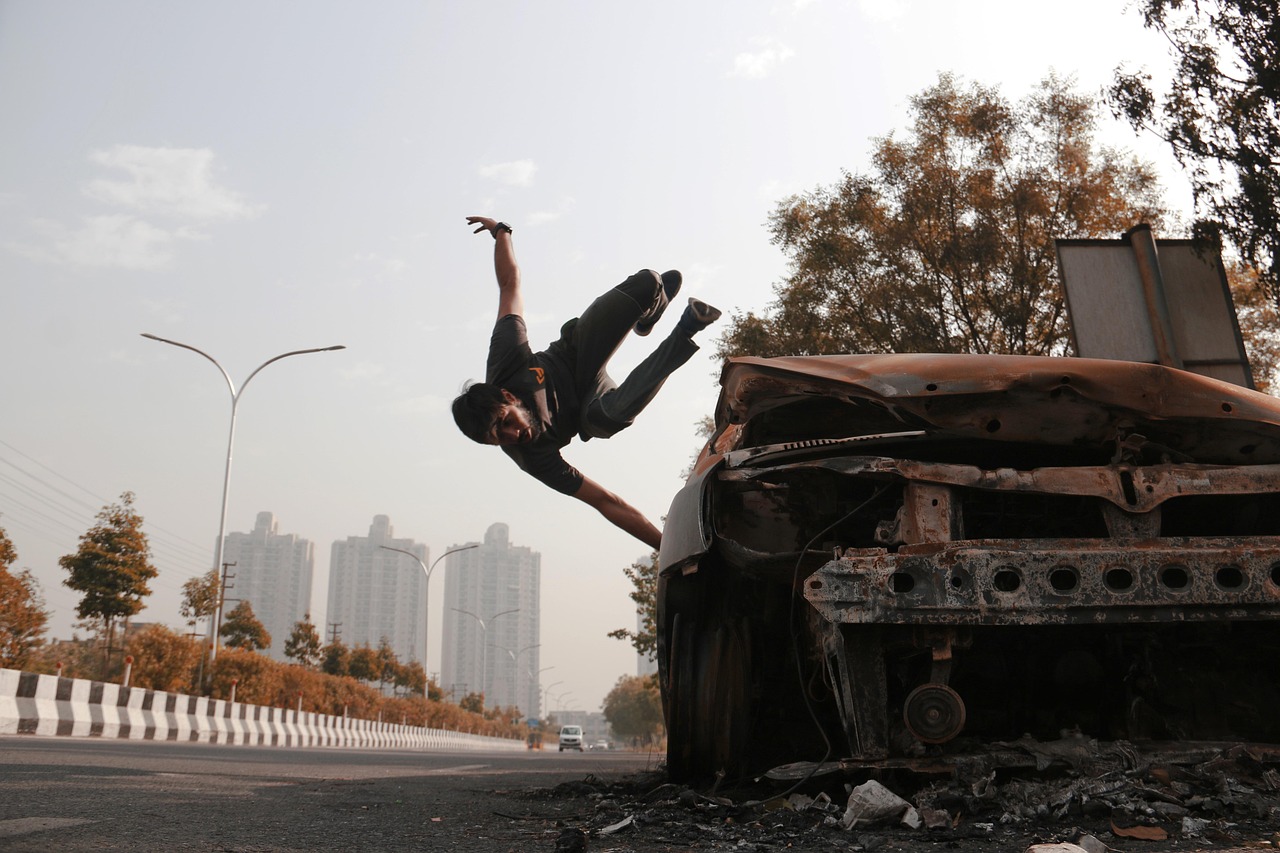

Editing Tips to Make Your Parkour Photos Stand Out
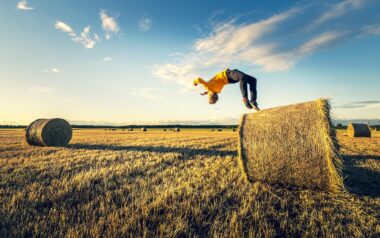
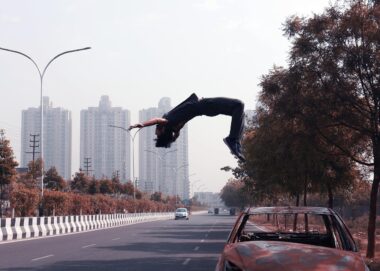
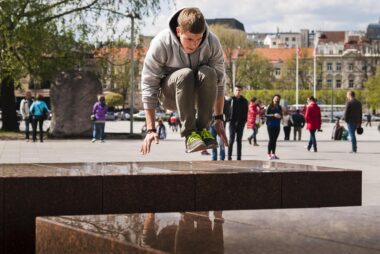
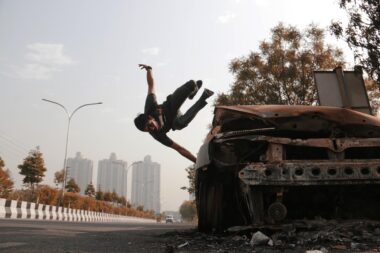
To enhance your parkour photography, editing can play a significant role. Start by using editing software such as Adobe Lightroom or Photoshop, which provide comprehensive tools for refining your images. Correct the exposure by ensuring the highlights are not overly bright while improving shadow details. Adjusting contrast helps in bringing out the depth in your photographs, making the movements of parkour practitioners more dynamic. Don’t hesitate to utilize the cropping tool; often, cutting out unwanted distractions can focus attention on the skillful maneuvers being showcased. Furthermore, adding clarity can enhance textures, making surfaces more visually compelling. In addition, consider utilizing the vibrance feature to subtly boost colors without oversaturation. Enhanced colors can make the environment pop and immerse viewers in the action. Finally, save your edits in high resolution to ensure quality prints or web images. The aim is to evoke emotion and excitement through your visual art. Therefore, take your time experimenting with different settings, as practice significantly improves your editing skills.
Color Correction Techniques
When capturing parkour moments, color balance is crucial to conveying the right atmosphere. Begin by adjusting the white balance to eliminate color tints that could alter the photos’ perception. A good rule is to have warmer tones for sunset scenes and cooler tones for daylight shots. You can utilize the color grading panels in your software to adjust shadows, midtones, and highlights independently. This approach not only enhances the overall appeal but also brings consistency across different shots in a series. Make selective adjustments using tools like gradient filters to enhance the sky or ground while keeping the focus on the athletes. For parkour photography, vibrancy can also be amplified without crowding the image. Utilize hue adjustments for color correction, particularly for skin tones, ensuring the subjects appear natural. You can also enhance the saturation of specific colors linked to the parkour environment, such as blues from the sky or greens from nearby vegetation. Each of these techniques allows photographers to creatively influence visual narratives, making their work more captivating.
Using Filters and Effects
Applying filters can significantly transform parkour images, each imparting unique visual aesthetics. Consider using a vignette effect, wherein the edges of the photo fade to dark. This technique draws attention to the center of the image, highlighting the essence of motion and skill demonstrated by athletes. Additionally, you can employ a tilt-shift effect to create a miniature look, which intrigues viewers by giving a fresh perspective on urban settings where parkour typically flourishes. Lens flares or light leaks are creative options that can evoke an adrenaline rush, associating with the excitement of parkour. While these effects are powerful, they should be applied judiciously to ensure they complement rather than distract. It’s vital to maintain authenticity in your images, preserving the raw thrill and dynamics of the sport. Remember to keep a backup of your original shots before applying extensive modifications. Lastly, experimenting with overlays such as textures or light leaks can introduce an innovative element that showcases your artistic vision. Let your editing technique reflect your distinct style and passion for parkour photography.
Another editing tip is to develop your own presets, which can streamline your workflow significantly. Presets allow you to apply consistent adjustments across multiple images, enabling a cohesive look in a photo series. Start by crafting a basic setting ideal for your parkour images, adjusting exposure, contrast, and color grading as mentioned previously. After refining this base, save it as a preset for quick retrieval later. This efficiency can be invaluable when working with multiple shots from a parkour event or session, essentially conserving time for post-processing adjustments. Moreover, presets can be customized depending on various lighting scenarios or locations encountered during your photography sessions. If you frequently photograph in similar conditions, altering a preset can become an excellent shortcut. As you refine your editing skills, you may find layering different presets can produce creative results and unique styles. Share your presets with others who may benefit from them or use community-created presets to experiment and inspire your editing journey. Ultimately, presets can become a vital component of your editing toolbox, enhancing your productivity while enriching the visual storytelling in your parkour photography.
Capturing the movement in parkour photography requires not just expertise but also a clear post-editing strategy. One significant factor is sharpening your images to enhance details and textures, making them visually striking. However, it’s crucial to apply sharpening subtly, as excess can introduce noise, particularly in shadowy areas or softer zones. Instead, use selective sharpening techniques that focus on key areas where detail matters most, such as the subject’s limbs or their landing spots. Another approach in editing is noise reduction, particularly useful in low-light conditions. This technique allows the overall image to maintain clarity while lessening distracting graininess that could lead to a subpar visual. Additionally, leveraging the clarity and dehaze sliders can significantly bolster your image. While clarity enhances the midtone contrast remarkably, the dehaze feature allows the correction of atmospheric loss, reinstating definition in overcast or hazy conditions typical in outdoor scenes. Implementing these techniques effectively can transform simple captures into artistic photographs, granting a profound emphasis on the action and elevation of the parkour athlete’s abilities.
It is beneficial to experiment with different styles of editing that reflect the essence of parkour; some might choose a cinematic look while others lean towards vibrant colors. Depending on the emotion you want to evoke, consider adjusting levels of saturation based on the composition and scene. Bright, colorful edits tend to capture the high-energy essence of parkour, whereas muted tones might better suit dramatic or contemplative moments. Look into artistic styles like black and white to emphasize form and technique over color. Such styles can also juxtapose movement against static backgrounds, showcasing the grace of parkour. Additionally, artists may play with splitting tones, giving shadows and highlights distinct hues to create a more striking effect. It’s engaging to explore how different styles impact the visual narrative you’re presenting. Emphasizing diverse editing approaches can help enhance your portfolio, offering viewers an engaging journey not just through movements but also through the artistic lens of your photography. Ultimately, the goal is to weave an authentic story that reflects the passion and excitement of parkour.
Finally, consistent editing practices are essential for building a recognizable style in parkour photography. Establish a systematic approach that involves reviewing your best work and determining which edits resonate. Gather feedback from fellow photographers and the parkour community to learn what elements draw the most attention. Regularly revisiting previously edited photos allows continual refinement of techniques and understanding of the creative process involved. Additionally, maintain an organized library of your images to prevent confusion when searching for specific edits. It’s worthwhile having folders specifically labeled according to events, locations, or techniques used. This not only eases the editing process but also facilitates the tracking of artistic evolution unveiled in your work. Lastly, stay engaged with parkour culture to inspire your photography style. Attend exhibitions, workshops, and community events that offer fresh perspectives on capturing movement. Such engagement ensures that your photography remains lively, reflective of current trends in the parkour world while still expressing your unique artistic vision. In summary, developing a signature editing style can enhance your parkour photographs immensely.
In conclusion, the art of editing parkour photos is an essential part of the process. From exposure adjustment to selective color grading and the application of various filters, editing enhances the storytelling element uniquely. Embracing the tips discussed will assist photographers in portraying not only the athleticism involved in parkour but also the emotions tied to the sport. Remember that editing should celebrate each athlete’s unique flair while allowing the scene to contribute to the story being told. No matter where you are in your photography journey, experimenting will lead to personal growth and developing artistic preferences. Approach every edit with curiosity and a willingness to learn from your outcomes, always seeking to refine your technique with every photo.