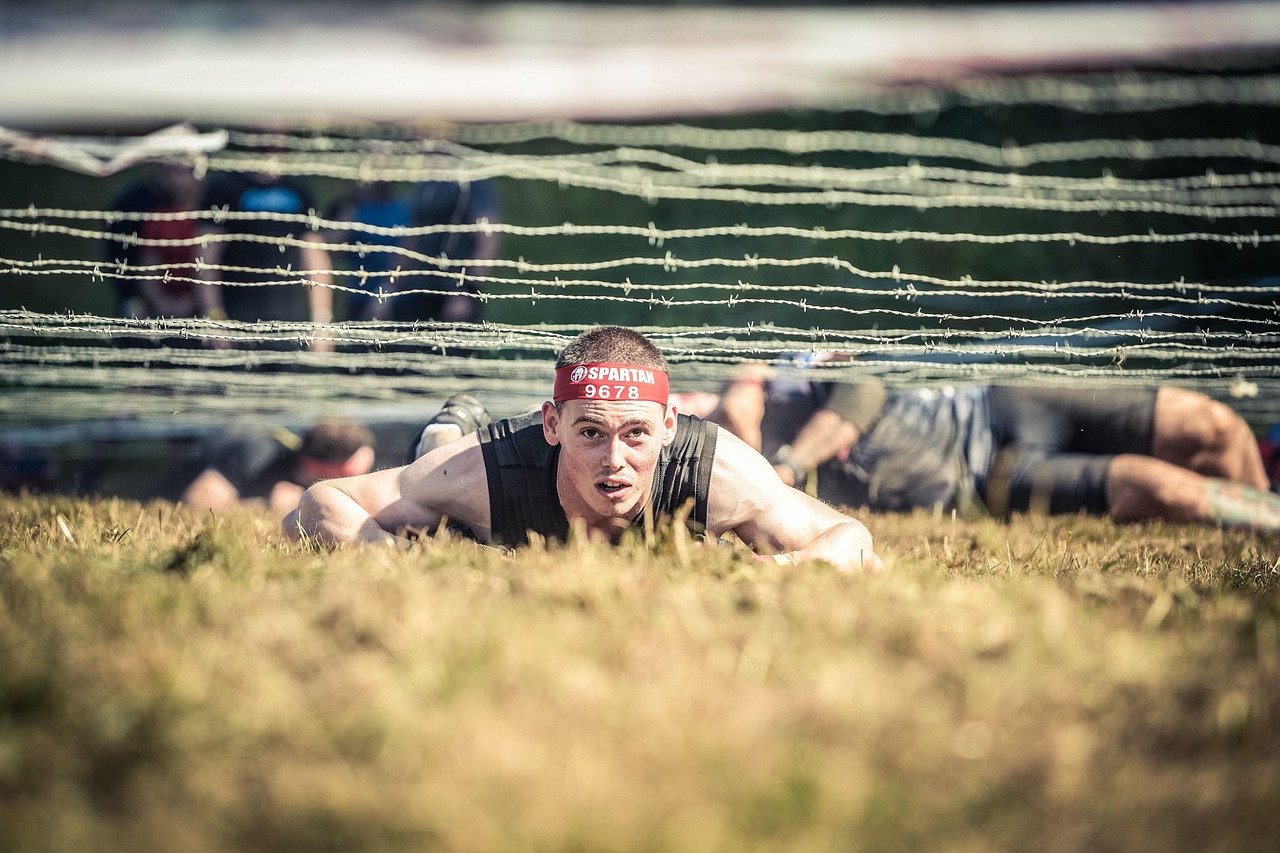

Indoor Training Alternatives for OCR Athletes When It’s Too Cold Outside
When the temperatures drop and outside conditions turn treacherous, obstacle course racing (OCR) athletes can still make significant training progress indoors. The key is to adapt your regimen to focus on developing the skills needed for OCR without sacrificing intensity or variety. Incorporating activities such as rock climbing and bodyweight training into your routine can help maintain strength, agility, and endurance. Rock climbing, for instance, is an excellent way to build upper body and core strength, essential for conquering many OCR obstacles. Similarly, bodyweight exercises like push-ups, pull-ups, and squats are effective in developing functional strength. Participating in group fitness classes can provide a structured environment and motivate you to push your limits while learning new techniques. Additionally, utilizing resistance bands and kettlebells in your workouts will enhance overall strength. Consider joining an indoor OCR-specific gym; these facilities often feature replicas of various OCR obstacles and provide a comprehensive training environment. Don’t forget to keep your heart rate up during these workouts with high-intensity interval training or circuit training. Staying creative and proactive ensures continuous development in challenging weather conditions.
Another productive indoor training alternative for OCR athletes is to incorporate cardiovascular workouts that mimick the conditions faced during races. Treadmills with varying inclines can simulate uphill runs, and performing interval sprints on these machines can develop speed and stamina. Rowing machines are also excellent for full-body cardiovascular training, enhancing your endurance while working important muscle groups. If you have access to a stationary bike, it can be an effective way to get your heart rate up without the harsh outdoors. Another popular option is swimming, which provides a low-impact workout that builds endurance, breath control, and overall strength. You can also try functional movement drills, focusing on movements that you’ll encounter during OCR events. Shuttle sprints, lateral movements, and agility drills can be beneficial in improving your overall agility and quickness. Additionally, using agility ladders or cones indoors could help your footwork and balance. Pairing these exercises with specific goal-setting can keep you motivated and ensure that you’re training effectively. With dedication and creativity, you can convert indoor training time into a valuable and enjoyable experience.
Strength and Conditioning
Throughout winter months, developing strength and conditioning is critical for OCR athletes. Implementing a structured strength training program that focuses on major muscle groups will help you prepare for the challenges of obstacle courses. Training your legs, arms, and core with compound movements such as deadlifts, squats, bench presses, and overhead presses is essential. Increasing your overall muscular endurance is just as important, so consider adding high-repetition sets of these movements or incorporating circuit training. Using free weights or resistance machines can enhance your muscle-building efforts and improve your foundational strength. Additionally, integrating plyometric exercises like box jumps and burpees into your routine can develop explosive power. This form of training also sharpens coordination and balance crucial for navigating obstacles. Don’t overlook the importance of flexibility and mobility; adding yoga or stretching routines into your training can drastically improve your range of motion and reduce injury risk. Warming up properly and cooling down after workouts ensures your body is prepared for the demands of OCR events while enhancing overall performance consistency. Staying committed to strength training throughout winter ensures you enter the racing season ready.
Nutrition plays a vital role, too, in supporting your indoor training regimen as an OCR athlete. Fueling your body with the right nutrients is essential for optimizing performance during workouts. Ensure your diet is rich in high-quality proteins, complex carbohydrates, and healthy fats. Focus on consuming lean protein sources such as chicken, fish, and plant-based alternatives post-workout to aid muscle recovery. Whole grains and fruits or vegetables provide the energy necessary for intense workouts, while healthy fats from sources like avocados and nuts enhance overall performance. Incorporating hydration strategies is equally important; aim for a daily fluid intake that keeps you well-hydrated and ready to train. During winter, it is essential not to underestimate the importance of hydration, even if you are less prone to sweating compared to warmer months. Keep in mind that seasonal affective disorder (SAD) can impact your motivation, so maintaining a balanced and nutritious diet can affect your mood and energy levels too. Supplement your diet with vitamins and minerals if necessary and consult a nutritionist to tailor your dietary regimen for OCR success.
Mindset and Motivation
Your mindset is an essential aspect of successful indoor training. Maintaining motivation during winter can be challenging; however, setting specific training goals goes a long way in keeping you engaged. Instead of only focusing on physical goals, consider integrating mental targets into your routine. Engage in visualization techniques; picture yourself overcoming obstacles, finishing races, and achieving personal records. Connecting with a community of fellow OCR athletes can enhance motivation as you will share experiences and strategies. Online forums, local meetups, or social media groups offer ideal platforms for support, camaraderie, and inspiration during winter training. Prepare a training calendar with specific workouts and milestones to track your progress. Celebrate small victories to maintain enthusiasm and accountability. Creating a structured schedule can help establish a routine and minimize procrastination. Devote time to recovery and rest days, as they’re essential for improving both physical and mental resilience. Maintaining a positive attitude and believing in your abilities will elevate your performance and readiness for upcoming OCR competitions. Embrace the challenge of training indoors and develop mental resilience through various techniques.
Exploring new training methodologies can also help diversify your indoor workouts and keep things fresh and exciting. Consider investigating other sports or activities that align with the skillset required for OCR, such as CrossFit or martial arts. These disciplines challenge strength, endurance, and coordination, making them suitable supplementary training options. Enrolling in classes can provide structure, expert guidance, and additional motivation to excel in your training regimen. Alternatively, indoor circuits that simulate obstacle courses can improve your comfort level with obstacles while also enhancing skills in a controlled environment. If available, participate in virtual OCR training sessions that mix agility, strength, and endurance training while offering professional coaching. Engaging with a variety of training methodologies allows for a holistic approach to fitness, ensuring that you develop proficiency across various skills seen in competitions. Additionally, ensuring a well-rounded weekly training regime can help avoid burnout and overtraining, which are common during challenging winter months. Discovering new aspects of fitness and developing new skills keeps you engaged throughout indoor training while preparing you for outdoor challenges in the racing season.
Conclusion
In conclusion, indoor training during winter months offers diverse alternatives to OCR athletes seeking to maintain or enhance their skills. By integrating effective strength training, cardiovascular workouts, and nutrition strategies, it is possible to stay in peak condition. Remember to prioritize motivation, accountability, and mental resilience while pursuing your training objectives. Exploring new sports and methodologies ensures that workouts remain engaging and enjoyable, helping to develop your overall fitness level. This adaptability is essential for entering the racing season confidently and prepared to tackle obstacles head-on. Use the tools available to you to create personalized training environments through gym memberships, online resources, or community support systems. Avoid stagnation caused by winter weather by committing to maximizing your indoor training time. Understanding that the commitment and dedication invested in your training during these months will bear fruit once outdoor competitions commence is vital. With determination, creativity, and the right mindset, OCR athletes can transform challenges into advantages, ensuring peak performance come race day. As you prepare for the vigorous demands of obstacle racing, transform this period into an opportunity for growth and improvement.
Keep pushing forward, stay safe, and embrace indoor training.