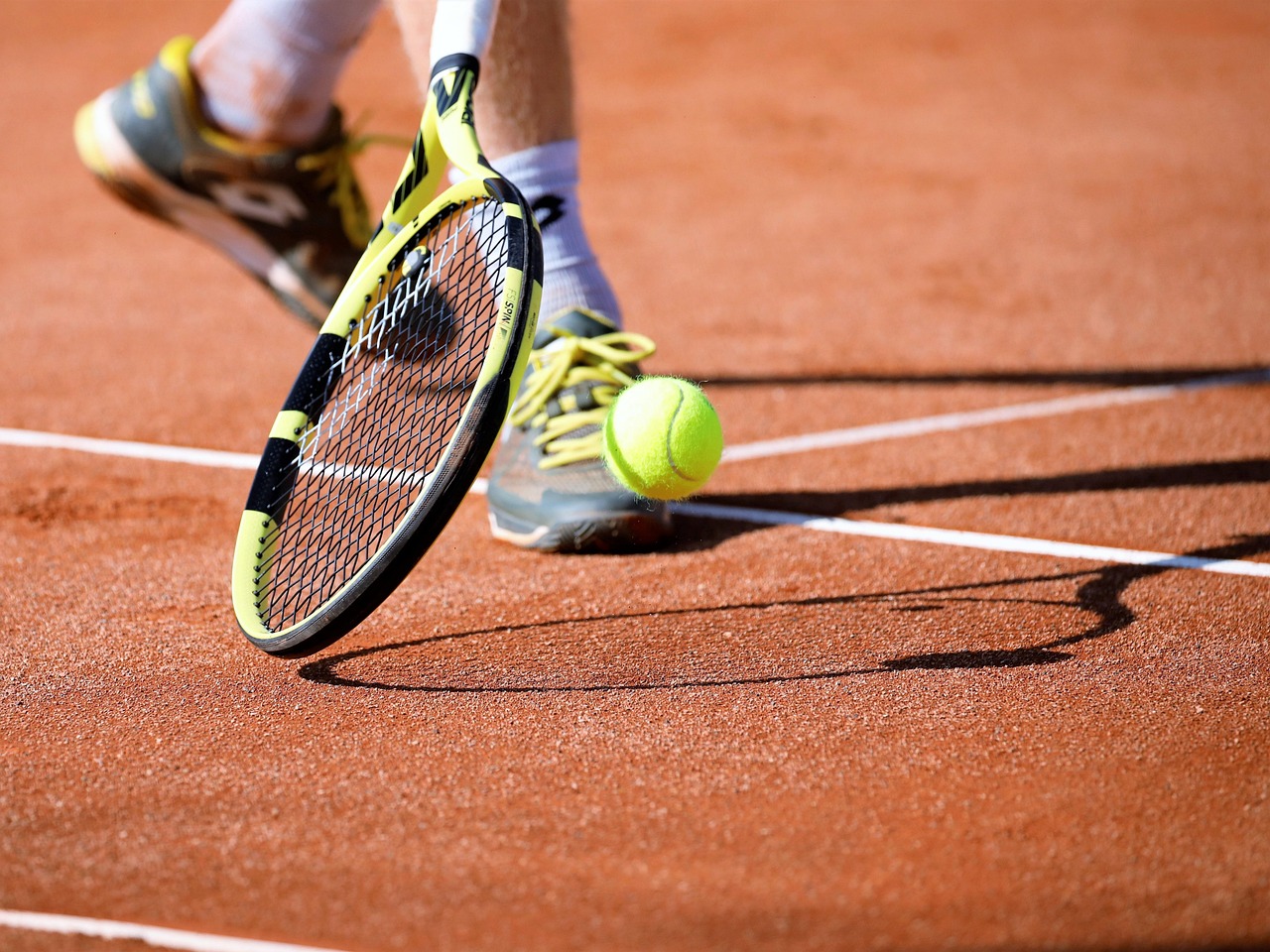

Group Tennis Fitness Challenges for Motivation and Fun
Engaging in group tennis fitness challenges is an exceptional way to foster motivation while ensuring fitness remains fun. These challenges not only enhance your tennis skills, but also promote physical wellbeing among participants. A great initial challenge to consider is the “Tennis Relay Races.” Each player sprints from one side of the court to the other while dribbling a tennis ball, passing it to the next member. This adds an exciting twist to traditional fitness routines, infusing energy into each session. Another lively option is the “Target Practice Challenge,” where participants aim to hit designated targets within the court. Adding scoring makes it competitive and encourages sharper focus. Incorporating team-based challenges allows players to combine their strengths for a more uplifting environment. For those interested in endurance, the “Endurance Rally Challenge” can work well, pushing players to maintain rallies for extended periods. Team dynamics can build camaraderie, making workouts enjoyable. Lastly, remember to celebrate all achievements, no matter how small; this creates a positive atmosphere encouraging repeat participation. Therefore, the great design of group fitness challenges can maximize enjoyment, teamwork, and improve overall fitness levels among players in a tennis setting.
To ensure that group tennis fitness challenges remain engaging, creativity must guide the design of these sessions. Consider varying the activities each week to keep the workout routine fresh and exciting. This approach helps maintain enthusiasm among participants, preventing burnout. Incorporating elements such as friendly competitions can spark excitement and motivate players to strive for their personal best. Utilize a point system for participants to track their performance over time, promoting goal-oriented workouts. More advanced warm-ups can benefit from adding a fun twist, like “Musical Tennis Balls,” where players move and react to music, adjusting their actions based on tempo changes. Including a mix of skill levels in each challenge can also enhance team dynamics and learning opportunities. It helps individuals to push each other; more experienced players can share techniques while beginners can learn in a supportive environment. Encouraging players to come up with their own challenge ideas fosters creativity while increasing ownership over the workout experience. Creating collaborative promotional materials for the challenges can boost enthusiasm as everyone feels part of something special. Ultimately, new variations will keep the experience innovative, ensuring high engagement levels over time among tennis enthusiasts during fitness challenges.
Benefits of Group Fitness Challenges
One vital aspect of engaging in group tennis fitness challenges is the multitude of benefits participants gain, extending well beyond physical fitness. Firstly, social interaction is enhanced when fitness is combined with teamwork, allowing players to bond over common goals. This collaboration significantly boosts mental wellbeing as participants learn from each other while fostering friendships that can last outside the court. Another important consideration is the accountability that emerges from participating in group settings. Knowing that teammates rely on each player’s contribution helps to maintain commitment. It encourages consistent attendance, which is crucial for individual improvement and overall fitness growth. Furthermore, competition can act as a catalyst for increased effort during workouts. Players often push themselves harder when they know others are depending on them to perform as well. The supportive environment nurtured through group challenges promotes a sense of belonging, making fitness enjoyable instead of a chore. Additionally, exposure to various fitness techniques and styles fosters a well-rounded approach to tennis practice. Overall, the collective experiences and shared goals during group challenges create an atmosphere conducive to personal and group development, fulfilling the physical and emotional needs of all participants.
In the pursuit of better health through group tennis fitness challenges, proper structure and follow-up are essential to realize their full potential. Establishing clear goals and objectives for each challenge allows participants to understand the intent behind their workouts. For novice players, beginning with simpler tasks can ensure everyone feels included and included in the activities. This inclusive strategy should transition to more advanced games as the group’s competency level rises. Consider periodic assessments to gauge individual progress while celebrating achievements can keep spirits high. For instance, hosting a mini-tournament or leaderboard can add a competitive edge that drives improvement. Furthermore, providing post-workout discussions or feedback sessions enhances motivation by reflecting on experiences and setting future goals. Engage participants in these conversations, inviting their inputs to make each challenge memorable. It fosters a sense of ownership over their fitness journeys. Implementing periodic fitness surveys can help organizers adjust the challenges to better suit participants’ needs as time progresses. Ultimately, a well-structured and responsive approach to group tennis fitness challenges keeps everyone involved and promotes sustainable habits that lead to lasting improvement.
Creating an Encouraging Environment
Creating an encouraging environment within group tennis fitness challenges is paramount for sustained participation and enjoyment. Start by establishing a culture where positive reinforcement is prevalent, allowing players to feel valued and appreciated for their efforts. Regularly recognizing achievements, no matter how small, can motivate participants to strive for bigger goals. Consider pairing experienced players with novices, fostering mentorship opportunities that create bonds and build confidence. Building these relationships lays the foundation for a supportive community, encouraging everyone to support and uplift each other during sessions. Additionally, fun elements such as themed workouts can break monotony, engage playful spirits, and promote participation. Events like a costume day can instigate laughter while instilling camaraderie among participants. Maintaining open communication channels that allow players to voice their needs or suggestions can build trust and foster transparency. Encourage players to challenge themselves while emphasizing that it’s okay to step back if they’re not feeling strong. Developing a balance between challenge and support is vital in keeping the energy levels high. Ultimately, an encouraging environment will make group tennis fitness challenges enjoyable and help everyone reach their fitness aspirations together.
After finishing a group tennis fitness challenge, it’s crucial to reflect on its effectiveness and areas for improvement to enhance future sessions. Keeping track of various metrics, such as participation rates and performance progress, provides valuable insights into the challenge’s layout. Players can also contribute by sharing their feedback informally or through structured surveys, pinpointing aspects they enjoyed and those that proved challenging. Encouraging responses about how participants felt physically and mentally throughout the experience will help shape future challenges, addressing any potential obstacles to enjoyment or participation. Moreover, utilizing this information can enable organizers to modify existing strategies towards maximizing engagement. Celebrate the end of challenges with a get-together to foster connections and maintain enthusiasm for upcoming activities. This celebratory gathering can involve refreshments and memory sharing about fun experiences. It reinforces community ties, making everyone eager to participate in future challenges. Additionally, periodic follow-ups or social media shoutouts can keep the momentum alive between sessions, reminding participants of the fun and fitness they experienced together. Incorporating this reflective practice ensures that group tennis fitness challenges continue evolving, maintaining an enjoyable and beneficial experience for everyone involved.
Looking Forward
As the landscape of tennis fitness challenges evolves, embracing new trends and tools in fitness can enhance the overall experience for participants. Advances in technology, like fitness-tracking apps, provide valuable data to players to help measure performance accurately across different challenges. Introducing wearable technology enables players to monitor their progress and embark on more informed fitness journeys. Interactive equipment, such as smart tennis balls that track hitting accuracy, can incorporate gamified elements, engaging younger participants in exciting ways. Organizers should be adaptive in blending traditional workouts with novel ideas that resonate with the contemporary fitness community. Another significant trend is inclusivity; ensuring challenges cater to diverse skill levels and abilities promotes engagement and sustains interest among all members. This adaptability is vital in creating a sense of belonging among participants, affirming that everyone has a place within the fitness community. Looking ahead, considering cross-training activities, such as yoga or Pilates, can complement tennis workouts beautifully, elevating performance while appealing to broader fitness tastes. By remaining open to fresh ideas and participant input, group tennis fitness challenges can continuously evolve, ensuring long-term enjoyment, connection, and improved fitness.
In conclusion, group tennis fitness challenges offer a unique and fun way for players to improve their physical fitness and foster social connections. Through dynamic activities that blend coordination, endurance, and strategies, participants can engage in fitness while enjoying the camaraderie of teammates. The creation of an encouraging atmosphere enables players to feel motivated, while thoughtful organization ensures that challenges reflect participants’ evolving needs. By incorporating various fitness trends and technologies, programs can remain relevant and inclusive. Celebrating achievements and maintaining a culture of support fosters a sense of community, promoting continuous growth and achievement. Planning ahead for future challenges while reflecting on past experiences can lead to innovative adaptations that enrich experiences for everyone involved. Emphasizing both personal and collective goals will enhance excitement and participation in group challenges. Thus, as more players embrace the opportunity to enjoy tennis together through fitness challenges, the sport not only becomes more entertaining but also significantly contributes to overall wellness. By prioritizing connection, enjoyment, and improvement, participants will continually discover new avenues for personal and social development, ensuring tennis remains an engaging component of their lives. Group tennis fitness challenges truly embody the ideal blend of fun, teamwork, and health.