
Using Yoga to Complement Handstand Training
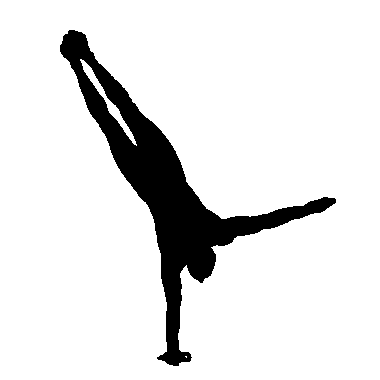
Handstands are a challenging yet rewarding skill in calisthenics, and incorporating yoga into your training can offer numerous benefits. The primary advantage is enhanced flexibility, which is crucial for achieving proper alignment during various handstand positions. Yoga poses like Downward Dog and Forward Bend stretch the shoulders, wrists, and hamstrings, all essential areas for handstand stability. Additionally, yoga promotes body awareness, encouraging practitioners to connect with their movements more profoundly, which is invaluable when mastering a handstand. As you practice different yoga poses, you develop a stronger mind-body connection. Breath control, which is emphasized in yoga, also improves your handstand performance. Focusing on your breath helps with maintaining calmness and stability while upside down. Furthermore, certain yoga poses can assist in strengthening the core and shoulder muscles, foundational for a successful handstand. For instance, Plank and Chaturanga build upper body strength, essential for holding a steady handstand. Practicing regularly can allow for gradual progress, as flexibility, strength, and awareness develop in tandem. Therefore, integrating yoga provides a holistic approach to handstand training, making each session more effective and fulfilling.
Transitioning from a novice to an accomplished handstand practitioner requires dedication and technique. Yoga helps bridge the gap by offering tailored stretches and strength-building exercises specifically beneficial for aspiring handstanders. Poses like Triangle or Warrior builds leg and arm strength, enhancing your ability to balance when inverted. Upper body flexibility is also crucial; poses such as the Cobra and Upward Facing Dog open up the chest and shoulders, vital for achieving the correct form. Moreover, yoga emphasizes the importance of posture, helping to correct any misalignments that could hinder your handstand practice. As you learn to align your body correctly, you will notice a significant improvement in your balance in the handstand. Additionally, several yoga sequences specifically address core strength development. A robust core is essential for stabilizing the body during inversions. Practicing poses like Boat or Plank strengthens this area, making them ideal supplementary exercises. Yoga not only complements physical training but also fosters mental resilience, essential for overcoming the psychological barriers often faced in handstand training. Cultivating patience through yoga enhances focus and persistence, key attributes in achieving handstand goals, ultimately leading to improvement.
Mindfulness and Focus through Yoga
Using yoga as a complementary practice to handstand training fosters mindfulness and focus, both essential elements in executing a handstand effectively. When practicing yoga, you learn to quiet the mind and listen to your body, which translates directly into your handstand practice. The mental clarity gained through focused breath and posture in yoga directly benefits your ability to concentrate on the mechanics of the handstand. The challenges of balancing upside down parallel the concentration needed to hold difficult yoga poses. This creates an opportunity for cross-training mental fortitude; you cultivate the same focus required for maintaining a stable handstand. Additionally, yoga can serve as a form of active recovery, which is vital in the training cycle. After intense handstand practice, gentle yoga stretches help relieve muscle tension while maintaining flexibility. Poses such as Child’s Pose or Pigeon can alleviate soreness, thereby promoting more regular training sessions. The act of releasing tight muscles improves circulation and recovery time, enabling you to train handstands more frequently without excessive fatigue. Incorporating mindfulness into your training helps create a balanced approach to your physical and mental states.
Another advantage of integrating yoga into your handstand routine is the emphasis on breath control. Practitioners learn to develop awareness of their breathing patterns, which can improve stamina and focus during their handstand practice. Focusing on breathing helps eliminate any anxiety associated with being upside down, which can often hinder progress. As you practice breath control during yoga sessions, these techniques become second nature, providing a relaxed state as you enter a handstand. This fosters a more enjoyable training experience, allowing you to enjoy the process rather than being solely fixated on the end result. Breath control aids in maintaining a stable center of gravity, ensuring that your handstand remains as balanced as possible. Additionally, your breath rhythm can help dictate your focus and energy levels during the handstand. Inhaling and exhaling mindfully during lifts and holds can enhance your overall technique. The synergy between breath work from yoga and physical execution during handstand practice is undeniable, making yoga an indispensable tool for those pursuing this skill. Therefore, embracing these complementary practices leads to increased success and enjoyment in your training journey.
Incorporating Mindfulness Techniques
To maximize your handstand training, you should incorporate mindfulness techniques learned from yoga into your daily routine. One effective method is visualization, wherein you mentally rehearse the movements before engaging in practice. By visualizing yourself successfully holding a handstand, your mind prepares your body for the desired outcome. Coupled with deep breathing exercises, this technique increases the chances of achieving a strong, stable handstand. Furthermore, consider establishing a consistent routine that combines yoga and handstands into a cohesive practice. For example, dedicate the first half of your session to yoga for mobility and flexibility while focusing on breath control. The second half can then transition into handstand drills. This structure ensures that you are well-prepared physically and mentally for the challenges ahead. Document your progress in a training journal to reflect on your growth, both in yoga and handstands. Tracking your journey helps maintain motivation, celebrating small victories along the way. Such an approach encourages accountability and allows you to connect the dots between yoga practice and handstand improvement. Employing mindfulness techniques not only aids technical execution but also nurtures personal growth through self-awareness and reflection.
It’s important to remember that yoga is a lifelong practice that should be approached with curiosity rather than rigidity. This perspective aligns well with handstand training, where progression may be slow or unpredictable. Embracing yoga teaches you to celebrate small improvements, fostering a more positive mindset when facing challenges. Utilize yoga as a tool for adaptation, allowing you to be flexible with your handstand goals. If you hit a plateau or face difficulty, practicing yoga provides a refreshing approach that reassesses your alignment and mindset. It encourages self-exploration rather than fixation on performance. Remember to be compassionate with yourself as you navigate both physical and mental hurdles throughout your journey. Implement restorative practices like Yin Yoga on off-days to promote recovery and relaxation. Investing time in these forms emphasizes recuperation and renewal. By maintaining an open mindset towards your practices, you’re more likely to enjoy the process and ultimately experience growth in both disciplines. Thus, creating a nurturing environment through yoga significantly enhances your ability to progress in handstand training.
Conclusion: The Holistic Approach
In summary, integrating yoga into your handstand training offers an invaluable holistic approach. Emphasizing flexibility, strength, focus, and mindful breath work, yoga prepares the body and mind for this challenging skill. By perfecting your alignment and awareness through yoga, you make tremendous strides in your handstand practice. The synergy created by these disciplines nurtures physical and mental balance, instilling patience and resilience. As you continue on your handstand journey, remember to utilize tools such as visualization and mindful breathing techniques; these are gifts from yoga that enhance performance and enjoyment. Keep track of your progress to witness your development unfold over time. Encourage consistency between handstands and yoga practices and embrace the journey of self-discovery along the way. Accept challenges as opportunities for growth, applying lessons learned in yoga to your handstand training. By cultivating this dual practice, you become more adept, not only in holding a handstand but also in managing life’s complexities. Ultimately, the combination of yoga and handstands leads to a fulfilling and enriching experience, pushing you to new heights in both arenas. Ultimately, you pave the way for lifelong learning and personal evolution.
Incorporating yoga poses tailored for inversions into your routine further enhances handstand training. Each pose complements various aspects of handstands, contributing to better performance and overall health. This dynamic training strategy fosters a robust physical foundation and improved mental acuity as both yoga and calisthenics engage different muscle groups. As you deepen your yoga practice, find joy in exploring different styles, such as Vinyasa or Hatha, to see what resonates best with your handstand journey. The exploration of diverse methods keeps the training exciting and diverse, ensuring that you stay engaged. Additionally, emotional resilience developed through yoga provides a significant advantage in handstands. You learn to embrace the inevitable falls and setbacks as part of the growth process. Remember, even the most experienced practitioners have faced struggles in their journey. By fostering a growth mindset, you build confidence and courage essential for achieving new goals. This psychological framework is crucial when it comes to pushing your boundaries. With each practice, you cultivate both physical skill and emotional strength, allowing you to confront challenges head-on. This integrated approach ultimately leads to lasting success and fulfillment in your handstand training endeavors.