
Benefits of Sleep Tracking Wearables for Weight Management
In today’s fast-paced world, effective weight management has become increasingly important. Sleep tracking wearables are transforming how individuals approach their health. These devices monitor sleep patterns, helping users understand the vital link between sleep quality and weight management. A key benefit is the insight gained into sleep cycles, offering a clearer picture of how rest influences metabolism and energy levels. When individuals sleep poorly, their bodies tend to crave unhealthy foods, resulting in weight gain. By using these wearables, users can identify patterns and make necessary adjustments to their sleep habits. This data empowers individuals to take charge of their health journey. Additionally, many devices offer personalized insights and recommendations tailored to individual lifestyles. Understanding the correlation between sleep and weight can highlight the need for healthier sleep hygiene practices. Improved sleep quality not only enhances daily energy but also supports metabolic function. Therefore, investing in sleep tracking wearables can serve as a catalyst for successful weight management and improved overall well-being. Additionally, individuals who gain better sleep insights report higher motivation levels, contributing to healthier lifestyle choices over time. In essence, smart wearables play a significant health role.
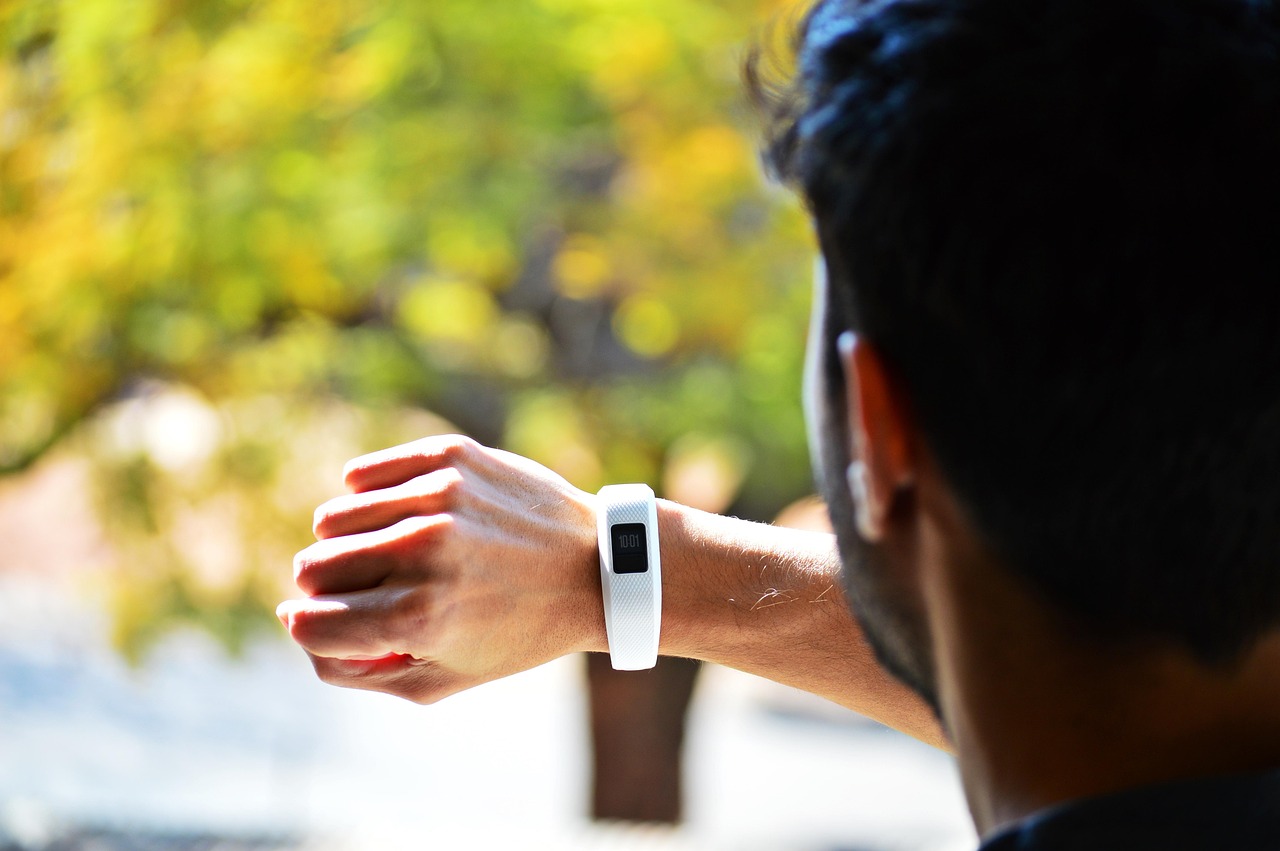
The advantages of sleep tracking wearables extend beyond mere data collection. These devices often feature integrated fitness monitoring capabilities, allowing users to track their physical activity alongside sleep patterns. This holistic approach enables individuals to correlate workout intensity with nighttime recovery. For instance, after a rigorous workout, users can assess how well they recovered during sleep. This feedback can guide them in adjusting their training routines for optimal performance. Furthermore, wearables frequently provide sleep scores, offering users a quantifiable measurement to gauge improvement. A high sleep score can serve as a motivational tool, encouraging users to pursue healthier sleep practices. Additionally, sleep tracking wearables may integrate with popular fitness apps, enhancing overall usability and user experience. This collaboration creates a comprehensive health ecosystem, allowing for seamless tracking of progress. In turn, this encourages users to remain engaged with their fitness and health goals. By adopting these wearable technologies, individuals can make real-time adjustments to both sleep and activity levels. Overall, wearables provide a data-driven approach to achieving optimal health outcomes, proving to be essential for those dedicated to weight management.
Understanding Sleep Quality
Sleep quality significantly impacts weight management, highlighting the role wearables play in enhancing health. Beyond tracking duration, these devices assess sleep stages, including light, deep, and REM sleep, offering insights into how users rest. Quality sleep is essential for metabolic regulation, stress relief, and hormone balance. Poor sleep quality often leads to increased hunger hormones such as ghrelin, while decreasing leptin, the hormone responsible for feeling full. By monitoring sleep quality, wearables illuminate these patterns, empowering users to prioritize better sleep practices. Moreover, the feedback received from wearables can drive behavior change. Equipped with this knowledge, individuals can adjust their bedtime routines, creating an environment conducive to restful sleep. The integration of sleep insights with lifestyle choices provides a comprehensive view of health. For instance, users can identify how specific habits, such as screen time or caffeine consumption, affect their sleep cycle. Realizing these influences enables actionable changes to improve overall sleep. Additionally, enhanced sleep fosters better decision-making when it comes to food choices, facilitating healthy and sustainable weight management strategies. Consequently, wearables are invaluable in bridging the gap between sleep hygiene and weight control initiatives.
Another remarkable feature of sleep tracking wearables is their ability to promote accountability in health routines. By providing daily feedback, users are reminded of their sleep goals and can monitor their progress. Consistent tracking fosters a greater awareness of personal habits, making it easier to identify which practices benefit sleep quality and which ones detract from it. Users can develop routines to maximize their sleep duration and enhance its quality, leading to effective behavior change. Additionally, wearables often come equipped with reminders and alarms that encourage users to maintain regular sleep schedules. Such adherence to routine can streamline weight management efforts. Furthermore, the social aspect of health tracking cannot be overlooked. Many wearables allow for sharing insights with friends or engaging in challenges, creating a supportive community. This additional layer of motivation can inspire users to remain committed to their health goals. By embracing technology, users experience a greater connection to their health journey, which drives positive outcomes. Overall, these devices not only track sleep but become essential partners in holistic weight management, equipping users with the tools they need for success.
Integration with Overall Wellness
Wearables designed for sleep tracking offer more than insights on sleep patterns; they integrate seamlessly into users’ comprehensive wellness plans. These devices often feature holistic health metrics, including heart rate variability and stress levels, allowing users to observe how lifestyle choices affect sleep. Stress, known for its disruptive impact on sleep quality, can be monitored and addressed more effectively when users have access to relevant data. For instance, upon noticing heightened stress levels, individuals can employ relaxation techniques or mindfulness practices to mitigate effects and improve sleep quality. Recognizing these interconnections strengthens users’ resolve to adopt healthier routines, ultimately aiding in weight management. Furthermore, many wearables provide educational content, enabling users to deepen their understanding of the critical connection between sleep and overall health. Engaging in this self-education can empower individuals to make informed decisions regarding their lifestyle. Participating in regular sleep tracking helps individuals develop effective strategies that enhance overall wellness. In conclusion, sleep tracking wearables offer multifaceted benefits that serve to bolster weight management efforts while simultaneously promoting general health.
As users become accustomed to the data trends provided by sleep tracking wearables, they can experiment with various sleep-related interventions. For example, users might explore the impact of altering their pre-sleep activities, such as reducing screen time or incorporating relaxation techniques before bed. With the ability to see immediate feedback about how these changes affect sleep patterns, users can remain motivated to adhere to these practices. The potential for gradual improvement elevates users’ overall well-being, creating a cycle of positive reinforcement. Additionally, wearables can provide alerts for potential sleep disturbances, such as snoring or restless patterns. Recognizing these disturbances enables users to explore solutions to improve their sleep environment or incorporate relaxation methods. These interventions not only assist in better sleep quality but also prevent weight gain derived from poor rest. By understanding the influence of lifestyle on sleep, users prioritize healthy habits necessary for effective weight management. The importance of self-reflection through wearables also fosters personal accountability, which correlates with successful health outcomes. Engaging with sleep strategies can enhance an individual’s commitment to wellness, making these devices invaluable in achieving lasting change.
Long-Term Benefits
Utilizing sleep tracking wearables offers numerous long-term benefits for those focused on weight management. The knowledge gained from regular monitoring of sleep patterns can instill a proactive approach to health. Users often report sustained improvements in their sleep quality, leading to favorable changes in their physical and mental well-being. As they become more aware of their bodies, individuals can identify the best routines that cater to their unique needs. Balancing sleep and physical activity requires ongoing adaptation, and wearables foster this process. A well-rested individual often experiences increased energy and may be motivated to maintain fitness regimens. Over time, this increased engagement in physical activity complements the efforts being made in the realm of sleep. Furthermore, improved sleep habits contribute to better emotional regulation, reducing stress-related eating that often leads to weight gain. As individuals learn to navigate these nuances, they become better equipped to handle lifestyle challenges. Through dedicated use of sleep tracking devices, users can cultivate holistic wellness practices that promote longevity and body positivity. The overarching goal of weight management evolves into a sustainable journey nurtured by the steadfast insights these wearables provide.
In conclusion, sleep tracking wearables prove to be powerful allies in the journey toward effective weight management. By understanding the intricate connections between sleep, health, and lifestyle choices, individuals gain invaluable insights into their well-being. The benefits of these devices extend far beyond helping users determine sleep duration, encompassing holistic monitoring that influences overall health. From providing accountability and motivation to facilitating engagement with fitness, these wearables empower users to optimize their lives. Furthermore, the integration of sleep-related insights into users’ health routines ensures comprehensive outcomes that cater to personal goals. The increasing accessibility of sleep tracking technology offers exciting opportunities for real change in the approach to managing weight and enhancing well-being. As the importance of sleep is better understood in relation to physical health, these devices will remain essential tools for sustainable success. The positive impact on self-awareness and personal growth can lead to lasting transformations. Ultimately, ensuring quality sleep creates a strong foundation for healthy living, making wearables a crucial investment for anyone aiming for a balanced lifestyle. As users adapt to these wearable technologies, they often find their health journeys are not only achievable but also enjoyable.