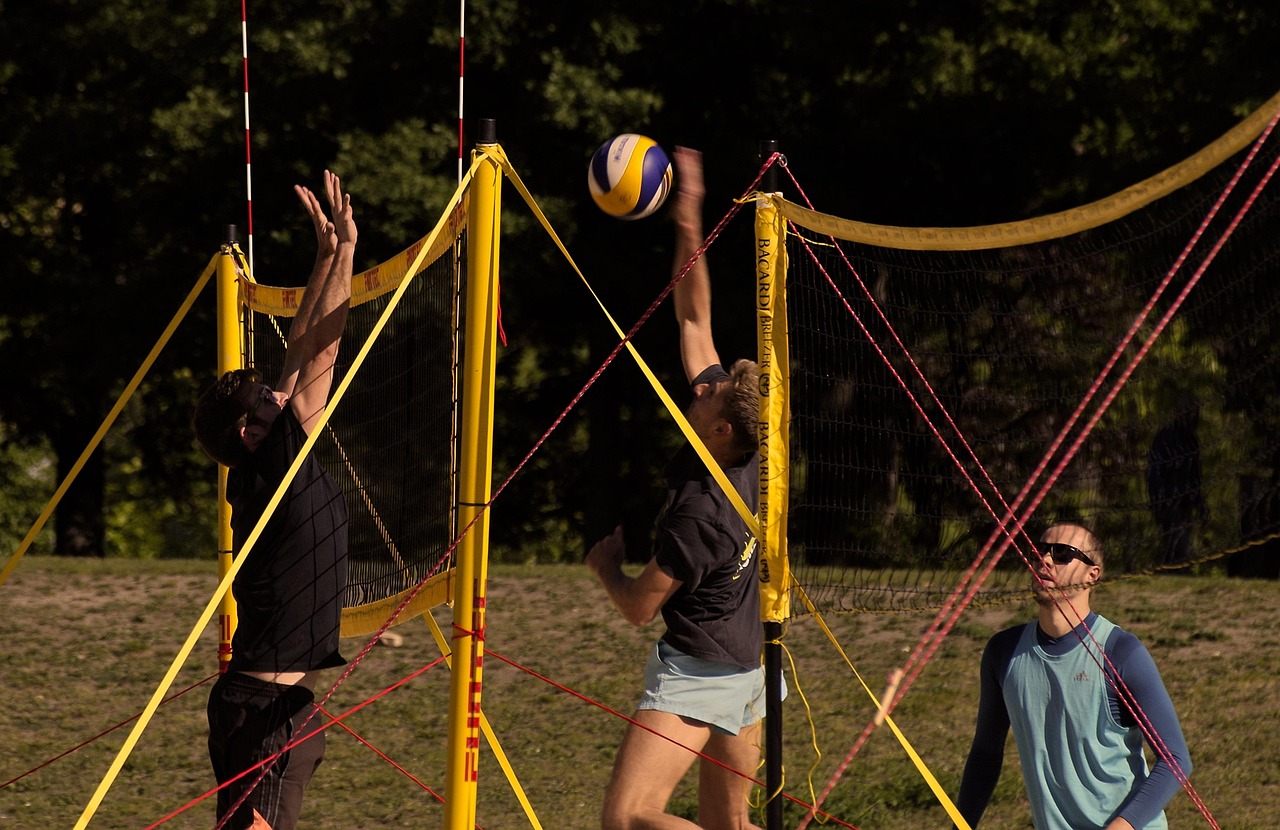

Nutrition Tips to Boost Volleyball Performance for Outside Hitters
Outside hitters are crucial in volleyball, requiring explosive power, agility, and strength. To enhance performance, proper nutrition plays a vital role. It begins with a balanced diet including proteins, carbohydrates, fats, vitamins, and minerals. Proteins help in muscle repair and growth, while carbohydrates are the primary energy source for rigorous training sessions and matches. Essential fatty acids provide lasting energy and help in joint health. Incorporating whole grains, lean meats, dairy, fruits, and vegetables into meals fuels athletes effectively. Hydration cannot be overlooked; water aids digestion and nutrient transport. Drink before, during, and after training to maintain optimal hydration. Electrolytes like sodium and potassium aid with fluid retention, preventing cramping. Consuming snacks high in carbohydrates like fruits, granola bars, or yogurt can sustain energy levels during intense training. Taking note of meal timings is essential; consuming a balanced meal about three hours before training can maximize performance. Post-training nutrition is equally important to replenish glycogen stores and promote recovery. Targeting a mix of carbs and proteins post-exercise can effectively support recovery and muscle rebuilding for outside hitters.
In addition to routine meals, supplements can help outside hitters achieve their nutritional needs. Protein powders can be a convenient source of protein, especially after workouts when quick recovery is essential. Creatine is another popular supplement that may aid in increasing strength, power, and muscle mass. It’s important to consult a healthcare professional before adding supplements to ensure safety and suitability. Besides macronutrients, vitamins and minerals cannot be neglected as they support overall health, immune function, and recovery. Enriching the diet with a variety of colorful fruits and vegetables ensures adequate vitamin intake, while whole foods remain the primary source. Omega-3 fatty acids from sources like fish can enhance joint health, which is critically important for jumpers. Probiotics found in yogurt or fermented foods maintain gut health, thus facilitating digestion and nutrient absorption. Mindfulness in dietary choices will promote long-term performance benefits while enjoying the sport. Tailoring nutrition to individual needs and lifestyle remains key. Assessing dietary intake regularly can help adjust meal plans for peak performance during the season, ensuring that outside hitters are always at their best.
The Role of Carbohydrates in Energy Production
Carbohydrates serve as the primary energy sources for outside hitters during high-intensity workouts and matches. It is crucial to consume a sufficient amount of carbohydrates daily to ensure maximal glycogen storage in muscles and the liver. This will enhance performance and delay fatigue. Including complex carbohydrates like oats, brown rice, and sweet potatoes in meals promotes sustained energy release, which is beneficial during long practice sessions. Simple carbohydrates, found in foods like fruits and sports drinks, can offer a quick energy boost necessary during matches or between training sets. Timing your carbohydrate intake is also important; consuming a carbohydrate-rich snack, around thirty minutes before training can significantly improve explosive energy power during performance. Post-training meals should focus on replenishing glycogen stores, whereby incorporating carbohydrates ensures recovery and prepares the body for the next training session. It’s crucial for outside hitters to identify their carbohydrate needs based on training intensity and game schedules. Regularly reviewing and adjusting carbohydrate intake allows athletes to maintain energy levels throughout the season, reinforcing the importance of a well-planned nutrition strategy.
Protein plays an indispensable role in the diet of outside hitters, especially for muscle repair. These athletes undergo rigorous training that breaks down muscle fibers, requiring proper recovery nutrition for rebuilding and growth. Including high-quality protein sources in the diet, such as chicken, fish, eggs, beans, and legumes, promotes muscle development and recovery. Aim for a balanced protein intake throughout the day, particularly focusing on post-exercise consumption. Research indicates that a protein-rich meal or snack post-resistance training enhances muscle repair and overall recovery. Outside hitters should aim to consume between 1.2 and 2.0 grams of protein per kilogram of body weight, depending on their training intensity. Mixing protein with carbohydrates post-exercise, such as a smoothie made with protein powder and fruit, can effectively speed recovery. However, priding efforts on whole food sources is essential to maximize nutrient intake. It’s vital to maintain a steady flow of protein in the diet rather than relying solely on post-workout supplements. By incorporating protein thoughtfully into their meals, outside hitters can optimize their strength, agility, and overall performance.
The Importance of Healthy Fats
Healthy fats are essential for outside hitters, providing long-lasting energy crucial for performance. Unlike carbohydrates, fats take longer to break down, offering a stable energy source during extended matches. Foods rich in monounsaturated and polyunsaturated fats, such as avocados, nuts, seeds, and olive oil, should be integrated into their diet for promoting heart health and hormone production. Omega-3 fatty acids are particularly vital, as they possess anti-inflammatory properties that support muscle recovery and joint health. Regular consumption of fish like salmon, or walnuts, can contribute to a balanced intake. Maintaining a healthy fat intake not only fuels performance but also aids in nutrient absorption, thus facilitating the essential vitamins required for peak athletic performance. In addition, healthy fats can assist in weight management, preserving energy reserves while helping maintain muscle mass. Outside hitters should consume healthy fats in moderation, aiming for around 20-35% of total daily caloric intake from fat sources. Balancing fat consumption with carbohydrates and proteins will ensure that athletes maintain their energy levels efficiently throughout their training and competition phases.
Hydration is critical, particularly in volleyball where outside hitters exert significant energy. Muscles consist primarily of water; thus adequate hydration enhances performance, stamina, and overall function of the body. Electrolyte balance is important as well because they regulate nerve and muscle function essential in athletics. Athletes should begin with proper hydration practices even before training sessions. Drinking at least 16 ounces of water a few hours before practice or a match allows optimal hydration levels. During long workouts, consider replenishing fluids with drinks containing electrolytes to replace lost minerals. Research suggests that dehydration can substantially decrease performance, negatively impacting strength, coordination, and endurance. After training or matches, continue to hydrate to replace lost fluids and restore energy. Various hydration strategies, such as incorporating hydrating foods like watermelon and cucumber, can augment daily fluid intake and contribute to better performance. In summary, maintaining hydration levels through adequate water and electrolytic intake should be a primary focus for outside hitters to sustain energy and promote optimal athletic functionality through rigorous activities.
Meal Planning for Optimal Performance
Meal planning is imperative for outside hitters to optimize energy levels and performance during training and competitive play. Developing a meal plan supports athletes in achieving their nutritional goals by ensuring balanced macronutrient intake throughout the day. Prepare meals in advance to prevent relying on unhealthy choices during hectic schedules. Create a structured plan that allocates meals and snacks around training times. Breakfast should be substantial; integrating proteins, carbohydrates, and healthy fats can set the stage for energy until lunch. Preparing nutrient-dense snacks, such as trail mix or protein bars, can maintain energy throughout busy days. Lunch should emphasize lean protein sources complemented by whole-grain carbohydrates and vegetables. Dinner can be a substantial meal that supports recovery. Regularly assess meal plans and modify them to adapt to training cycles and seasonal demands. This flexibility allows for optimal nutrient intake specification, enhancing performance longevity. Utilizing nutritional apps or consulting with a sports nutritionist may provide insights to improve dietary plans and performance metrics. When implemented effectively, a nutrition and meal plan can transform an outside hitter’s performance potential.
Finally, embracing dietary flexibility is crucial for outside hitters to maintain nutrition and performance. Allowing room for occasional treats can significantly enhance adherence to dietary practices. By striking a balance between strict dietary rules and enjoying favorite foods can prevent feelings of deprivation, which can often lead to unhealthy eating behaviors. Focusing on moderation enables athletes to maintain their energy levels while enjoying a variety of foods. Setting attainable nutrition goals rather than striving for perfection ensures steady progress without overwhelming restrictions. Be conscious of listening to the body’s signals regarding hunger and satiety. Eating intuitively can promote better eating habits and foster a healthy mindset towards food. Meal variety keeps the diet exciting and appealing; therefore, mix seasonal fruits and explore diverse cuisines. Practicing meals around favorite recipes can elevate motivation and enjoyment of nutrition. In addition, fostering a positive body image while appreciating the role of food in energy production is essential. Nutrition can be a pleasurable and beneficial component of an outside hitter’s training regimen, significantly enhancing overall performance.