
Nutrition Tips to Support Intermediate Plyometric Training
Nutrition plays a pivotal role in supporting your intermediate plyometric training program. Consuming adequate nutrients before workouts can significantly improve performance and aid recovery. Focus on a balanced diet rich in lean proteins, complex carbohydrates, and healthy fats. Proteins are crucial for muscle repair and growth, while carbohydrates provide essential energy for explosive exercises. Aim for nutrient-dense sources, such as chicken, fish, quinoa, and avocados, to fuel your training sessions efficiently. Moreover, hydration is vital, as dehydration can hinder your athletic performance and recovery. Drink sufficient amounts of water throughout the day, especially before, during, and after workouts, to maintain optimal hydration levels. Additionally, consider electrolyte-rich beverages if your sessions are particularly long or intense. Supplementing with branched-chain amino acids (BCAAs) can also be beneficial, as they help reduce muscle soreness and fatigue post-workout. Lastly, do not overlook the importance of timing your meals; try to consume a meal rich in carbohydrates and proteins approximately 30 minutes to two hours before training to prepare your body adequately.
Post-Workout Nutrition
After an intense intermediate plyometric workout, your body needs specific nutrients to recover effectively. Incorporating a combination of proteins and carbohydrates is essential for replenishing glycogen stores and facilitating muscle repair. For optimal recovery, aim to eat a nutritious meal or snack within two hours post-exercise. Good options include a protein shake combined with fruits, a turkey sandwich on whole-grain bread, or Greek yogurt topped with mixed berries and honey. These combinations maximize your nutrient intake and offer a variety of vitamins and minerals that are crucial for recovery. Additionally, consider incorporating anti-inflammatory foods, such as fatty fish or nuts, to combat recovery-related soreness. Adequate vitamin and mineral intake can accelerate recovery significantly. Paying special attention to micronutrients like magnesium and zinc will ensure your muscles and energy levels return more swiftly. Incorporating omega-3 fatty acids found in fish can also help reduce inflammation. Always listen to your body; if you find yourself fatigued or sore beyond normal levels, it may be time to adjust your nutrition or training regimen.
Carbohydrate intake is a non-negotiable aspect of your nutrition when engaging in plyometric workouts. As an intermediate athlete, your body requires a substantial amount of energy to perform explosive movements safely and effectively. To meet this demand, prioritize complex carbohydrates like brown rice, sweet potatoes, and whole-grain pasta, as they sustain energy levels over prolonged periods. It is advisable to consume carbohydrates both before and after your workouts to optimize performance and recovery. Starting your day with a carbohydrate-rich breakfast can set an energetic tone for your training, while a post-workout meal can replenish glycogen stores. Utilizing carbohydrate timing strategies can provide your body with the necessary fuel needed for high-intensity efforts. If you struggle to meet daily carbohydrate needs through food, consider smart supplementation options like energy gels or bars during your workouts. Doing so can enhance your performance and ensure you maintain focus and endurance throughout your training. The right balance will propel your intermediate plyometric training forward and yield visible results over time.
The Importance of Proteins
For intermediate plyometric training, sufficient protein intake is crucial in supporting muscle repair and growth. After intensive plyometric exercises, your muscles experience micro-tears that need to be repaired effectively. Protein plays a key role in this restoration process. Aim for a daily protein intake of around 1.2 to 2.0 grams per kilogram of body weight to optimize recovery and muscle synthesis. Good sources include eggs, beans, lean meats, and dairy. You can also enhance your protein intake through shakes and supplements, particularly when you’re short on time. In particular, whey protein and casein are excellent choices, as they provide high-quality amino acids that aid recovery. Consuming protein-rich meals or snacks regularly throughout the day—especially after workouts—can foster optimal muscle recovery. Timing is essential; try to consume protein shortly after training, ideally within a 30-minute window. Hydrating adequately after consuming protein-rich foods will further enhance nutrient absorption. An ideal strategy is to combine protein-rich foods with carbohydrates for effective recovery solutions. This combo hastens healing and supports overall progress in plyometric training.
Fruits and vegetables often get neglected in discussions about athletic performance and recovery, but they are essential components of nutrition for plyometric workouts. These foods provide vital vitamins, minerals, and antioxidants that support overall health and athletic performance. Including a variety of colorful fruits and vegetables can ensure a broad spectrum of nutrients, which aid in recovery and enhanced performance. Specific fruits like bananas are excellent for replenishing potassium, which helps prevent muscle cramps and fatigue, particularly after high-intensity exercise. Leafy greens such as spinach and kale are packed with vitamins and minerals that support muscle function and immune health. You might also want to consider smoothies, which offer a convenient way to consume your daily servings of fruits and vegetables, especially post-workout. Blending spinach with a banana and some almond milk can create a nutritious recovery drink that is easy to digest. Aim to fill half your plate with these nutrient-rich foods during meals, as they play a pivotal role in your recovery and overall health strategy, optimizing your plyometric training efforts.
Smart Snacking Options
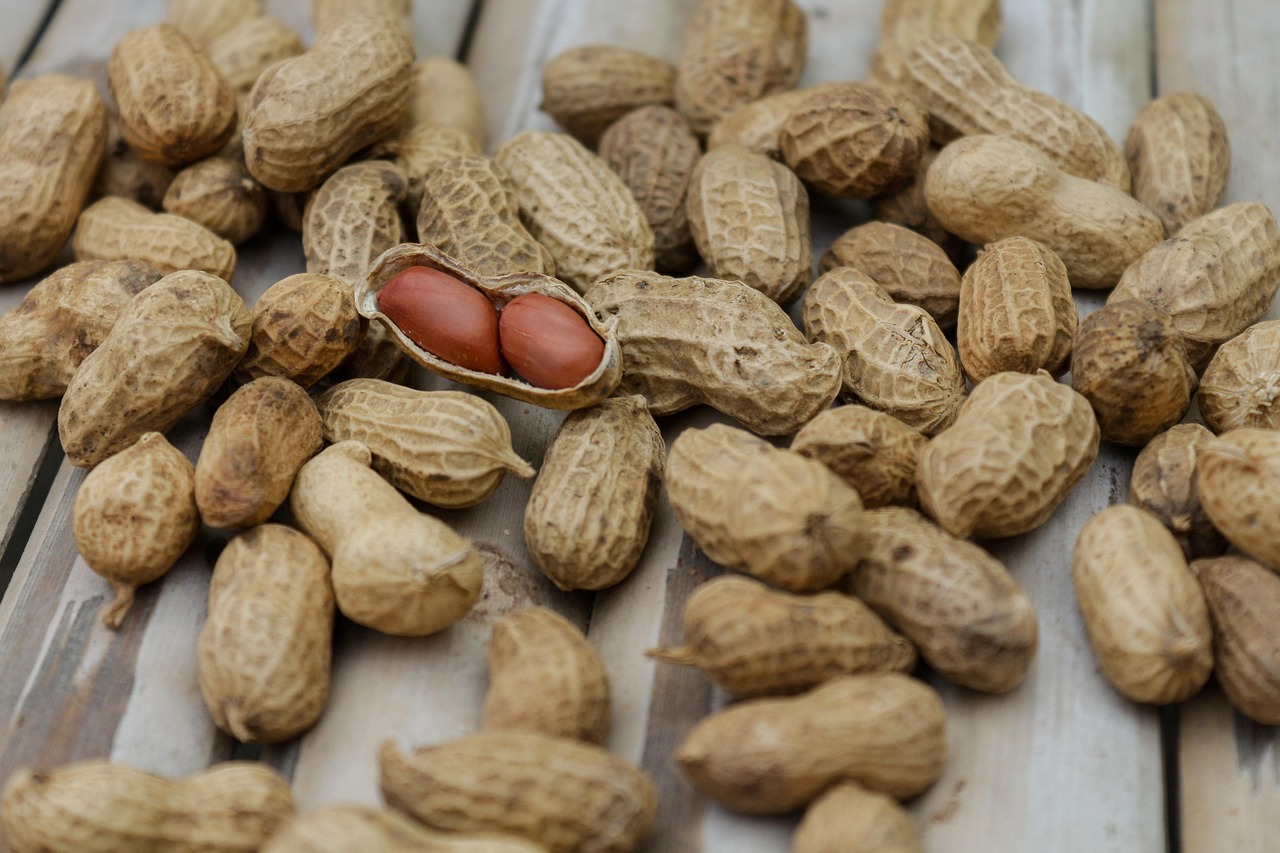
Smart snacking plays a significant role in keeping your energy levels up throughout the day, especially for those engaged in intermediate plyometric workouts. With a focus on healthy, nutrient-dense options, you can maintain energy and performance during training. Some ideal snacks include mixed nuts, which provide healthy fats and protein, or a piece of fruit with nut butter for carbohydrates and healthy nourishment. Greek yogurt topped with granola also serves as an excellent pre- or post-workout snack, providing a good balance of protein and carbohydrates. Other alternatives like protein bars or energy balls can offer sustaining energy without compromising your health goals. Avoid high-sugar and processed snacks that can cause energy crashes; instead, look for whole-food options that not only boost energy levels but also enhance recovery post-workout. Planning snacks ahead of time can help you avoid poor choices, keeping you on track with your nutritional goals. Establishing a routine with your snacking schedule can enhance both performance and recovery, allowing for effective training periods without unnecessary fatigue.
Ultimately, the combination of proper nutrition, hydration, and smart eating strategies can significantly enhance your performance and recovery in intermediate plyometric training. By focusing on whole foods and a balanced diet rich in proteins, carbohydrates, vitamins, and minerals, you are also maximizing energy and recovery potential. Educating yourself on the nutritional aspects of your training can turn eating into a competitive advantage, pushing your performance limits further. Stay consistent with your nutrient intake, adjusting as necessary to meet your personal training demands and goals. Tracking your food intake through apps or journals can be beneficial in understanding your dietary habits better. By immersing yourself within your nutrition regimen, you can actively contribute to improving athletic performance during plyometric workouts. Remember that balance is essential; both overtraining and excessive caloric restriction can be detrimental to your progress. Ultimately, listen to your body, adjust your nutrition as needed, and maintain a positive mindset as you take on the exciting challenges of intermediate plyometrics.